
African countries are pushing for a fairer deal in the global climate agenda, calling for increased climate financing, stronger environmental protection and greater economic benefits from the continent’s natural resources.
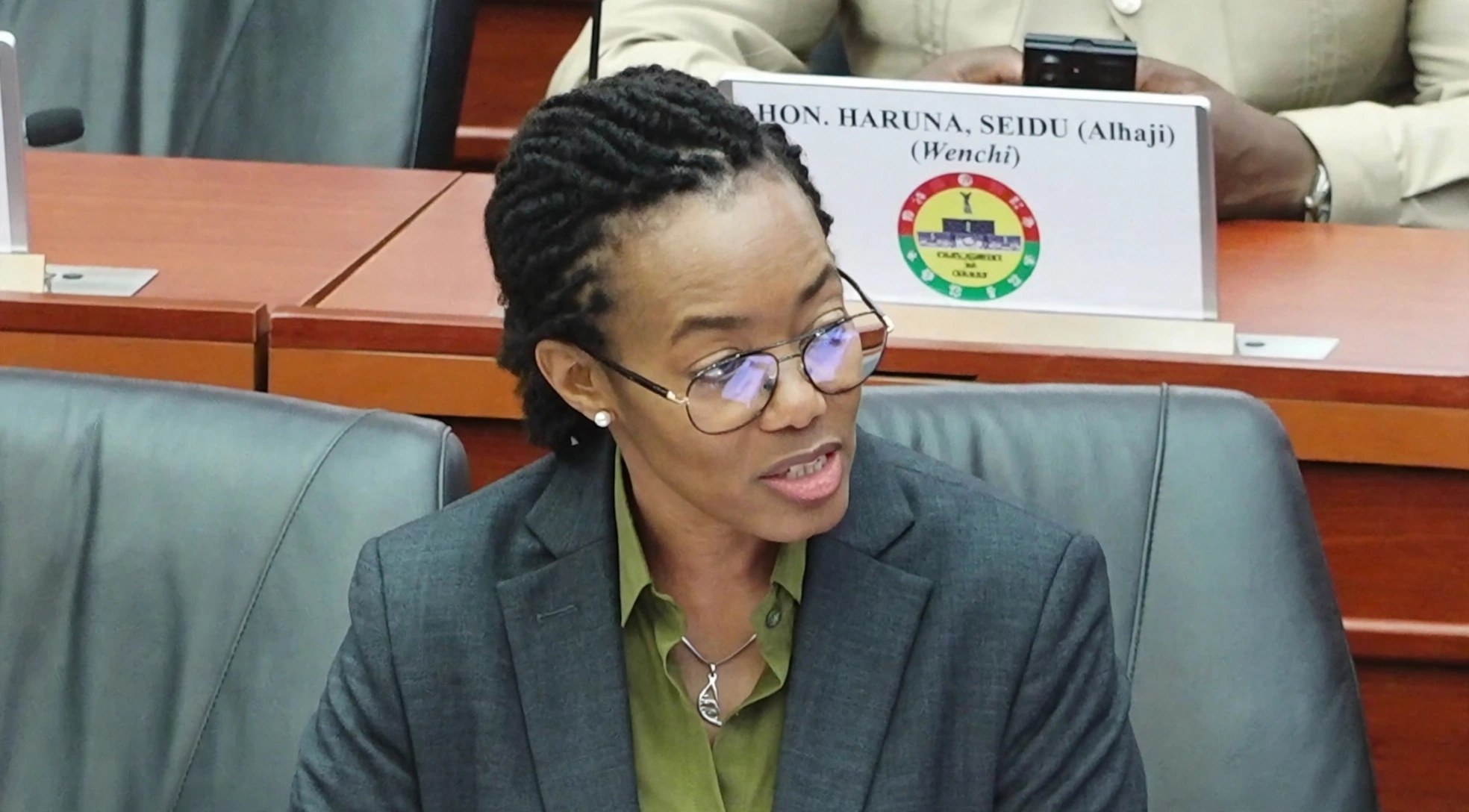
At the African Ministerial Conference on the Environment (AMCEN) High-Level Ministerial Consultative Meeting held on the margins of the ongoing 31st United Nations Climate Change Conference (COP31) in Antalya, Türkiye, Ghana called for a united African position to ensure that existing climate finance commitments translate into tangible support for vulnerable communities.
Ghana’s Minister for Environment, Science and Technology, Dr Zanetor Agyeman-Rawlings, said Africa requires approximately US$277 billion annually up to 2030 to implement its climate commitments. However, current financing flows cover only about 11 per cent of these needs.
She called for climate financing that is predictable, accessible and largely grant-based, cautioning against excessive reliance on loans that could worsen the continent’s debt burden. She also urged stronger support for countries dealing with climate-related losses and damage.
Emphasising the importance of a common African position during the negotiations, Dr Agyeman-Rawlings said: “Our strength in Antalya is our unity. Ghana will stand with the AGN chair and every African delegation until the final gathering.”
She called on African leaders to ensure that the negotiations produce practical outcomes, including infrastructure, sustainable industrialisation, human security and environmental protection.
At the Africa Day Ministerial Segment on November 14, the Minister also challenged African countries to approach the global climate negotiations with confidence, arguing that the continent has the resources and capacity to shape its own development.
“We have to remember to stop thinking from the scarcity mindset. Africa has everything it takes to succeed,” she said.
Beyond climate financing, Ghana is also advocating greater African control over critical mineral resources, which are increasingly important to the global transition to cleaner energy.
The Minister noted that Africa holds approximately 30 per cent of the world’s critical mineral reserves but continues to derive limited economic benefits from the extraction and export of these resources.
She called for greater local processing, regional value chains and stronger environmental safeguards to ensure that mineral extraction supports industrial development and does not leave communities bearing the cost of environmental degradation.
Ghana is urging African countries to use frameworks such as the African Continental Free Trade Area (AfCFTA) and the African Green Minerals Strategy to negotiate collectively and secure fairer terms for the continent’s resources.
As COP31 negotiations continue, African leaders are seeking commitments that go beyond declarations, with adequate financing, environmental restoration and economic opportunities needed to ensure that the global green transition also delivers lasting benefits for Africa.
By Regina Dedei Aryeetey