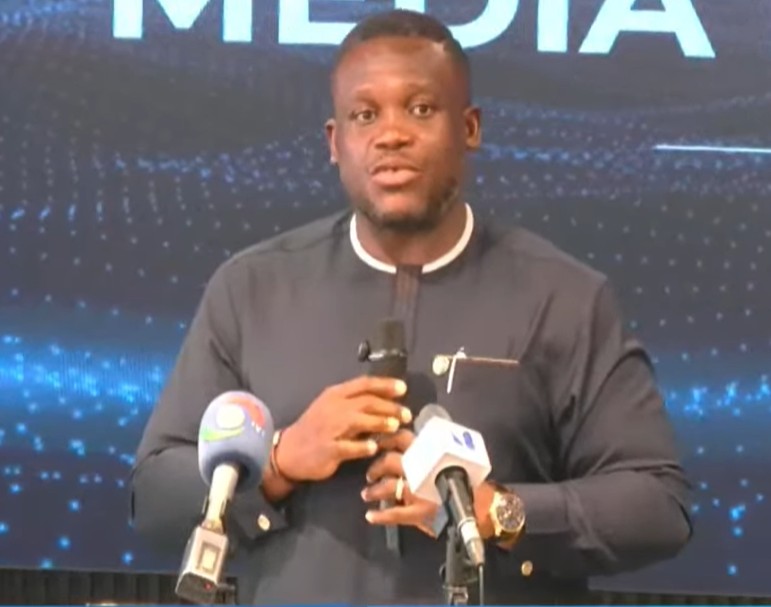

The Digital Terrestrial Television (DTT) Committee has finally delivered its report to the Minister for Communication, Digital Technology and Innovations, Samuel Nartey George, a decisive moment after years of delay and mounting frustration in the broadcasting sector.
For five months, the 13‑member committee dug into the cracks of the platform: financing shortfalls, weak infrastructure management, blurred institutional responsibilities, and the looming threat of collapse. The verdict is clear, without urgent reforms, the DTT platform cannot survive.
At a press conference held on Thursday, July 9, 2026, the Minister admitted the report is a turning point, promising a white paper within 14 days and a transparent governance framework.
“The report being presented today represents an important milestone. It marks the beginning of the next phase of the government’s efforts to strengthen the governance and sustainability of our DTT platform. Be rest assured, even before the ministry takes a concrete policy decision, I’ll issue a white paper that will be shared with all members of the DTT committee for us to have consensus going forward. The objective will be to establish a governance and operational framework that will be transparent.”
Chairman of GIBA’s Council of Elders, Chief Crystal‑Djirackor, warned that the media will not relent. “We have a duty to hold governments accountable. If you’re not doing it right, we’ll take you on,” he declared, reminding all that GIBA dragged government to court over pricing imposed without parliamentary approval. He insists the fight is far from over, even as efficiency measures are introduced to cut costs.
Parliament’s Communication Committee Chair, Bandim Abednego Azumah, appealed to GIBA to withdraw its case and focus on implementation. He welcomed the creation of an oversight committee but stressed that Ghanaians have already lost a decade of affordable, quality local content. “We have been denied the opportunity to develop local content for over 10 years,” he said.
The DTT platform has been stalled since 2016. Now, with the report in hand, the question is whether Ghana will finally deliver, or continue to deny its people the digital media space they deserve.
By Beatrice Sowah