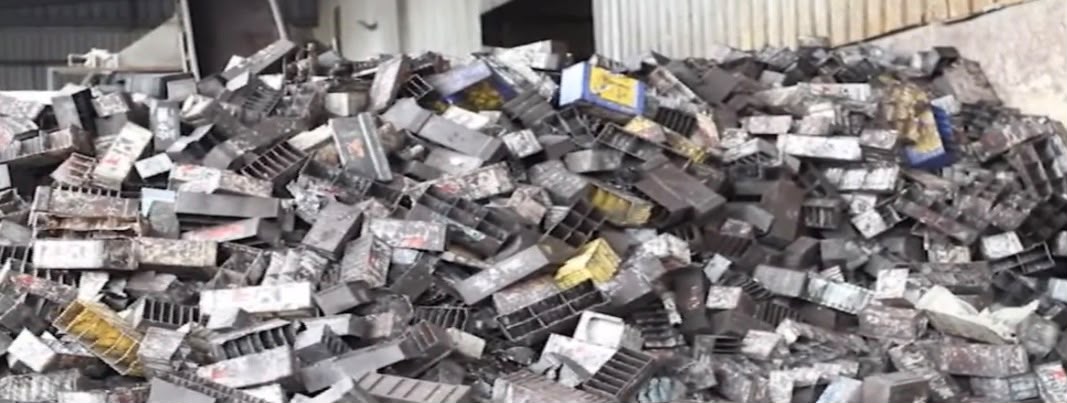

For most vehicle owners, a dead car battery is simply a problem to be solved. You replace it, dispose of the old one and move on.
But what happens to that battery after it leaves the car?
Inside every lead-acid car battery is lead — a valuable material that can be recovered and reused, but one that can also pose serious health risks when handled improperly.
In Ghana, concerns over lead exposure have drawn attention to the informal recycling of used lead-acid batteries.
UNICEF identifies informal recycling of these batteries as one of the pathways through which people, particularly children, can be exposed to lead.
And the danger is often hidden.
For the Director of Partnership for Lead Free Future, Abdullah Fadil, Ghana is already taking steps to address the global concern over lead exposure, but says more work is needed to understand the extent of the problem locally.
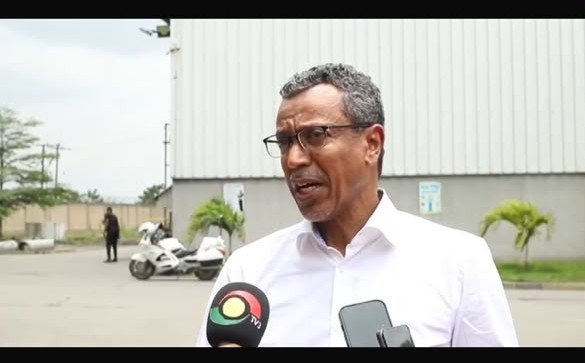
“Ghana should be very proud of what Ghana is doing at the moment. Globally, there’s actually more momentum. There are more resources available. Already, some surveys have been done in Ghana. Actually, there’s going to be national representatives survey measurement that will take place soon.”
He says the national survey will be important in establishing the actual levels of lead exposure, identifying its sources and determining who is most affected.
“That will tell you what the true levels are. It will tell you where the source of lead is. And as we heard, there’s enough regulations, legislation that is already taking place.”
For children, the consequences can be particularly serious.
UNICEF says children can absorb four to five times more lead than adults.
Exposure can permanently affect brain development, learning and behaviour even when a child appears healthy.
That means the absence of obvious symptoms does not necessarily mean the absence of harm.
The evidence from Ghana also raises concerns about people working in informal recycling environments.
A study of people involved in informal e-waste recycling in Agbogbloshie found that 77.7 percent of 327 participants had blood lead levels in the pathological range.
Some participants also showed signs of kidney problems.
For UNICEF Ghana, understanding the scale and sources of exposure across the country is critical to strengthening the response.
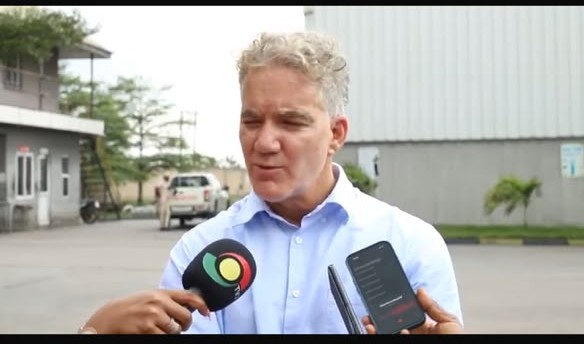
“The next big step is to do a national survey to really understand comprehensively across the country, the levels of lead that we’re talking about, where are they, who are they affecting the most, what are the consequences of those effects, so that we can move forward with authority on this issue, accompanied by the regulatory authorities who are taking that seriously,” said Andy Brooks, UNICEF GHANA Country Representative.
The findings point to the potential health consequences for people who work around hazardous materials without adequate protection.
But the concern is not limited to Ghana.
Lead exposure has become a growing issue on the global health and environmental agenda, with international efforts now focusing on reducing exposure and strengthening regulation.
Fadil says Ghana must also remain part of that global effort.
“The global framework on chemicals is going to make sure that lead is an issue of concern. World Health Assembly has come up with a resolution by next year, making sure that the world also looks at this from the health perspective.”
Beyond informal recycling, workplace safety is another part of the conversation.
Workers in factories and other industrial environments can also be exposed to hazardous substances if adequate safety measures are not in place.
The Department of Factories Inspectorate says the passage of the Workplace Safety and Health Bill could strengthen protections for workers and provide a more comprehensive framework for occupational health and safety.
The issue ultimately goes beyond what happens to a single car battery.
It raises broader questions about how Ghana collects, transports, dismantles and recycles hazardous materials and whether those processes adequately protect workers, communities and children.
Because when a car battery stops working, its usefulness to the vehicle may be over but the risk associated with what is inside it does not simply disappear.
By Enyonam Haligah