
Education policy think tank Africa Education Watch (Eduwatch) is calling for a comprehensive and adequately financed Free Compulsory Universal Basic Education (FCUBE) policy to reduce the financial burden on parents and ensure that basic education is genuinely free and accessible to all children.
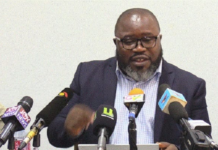
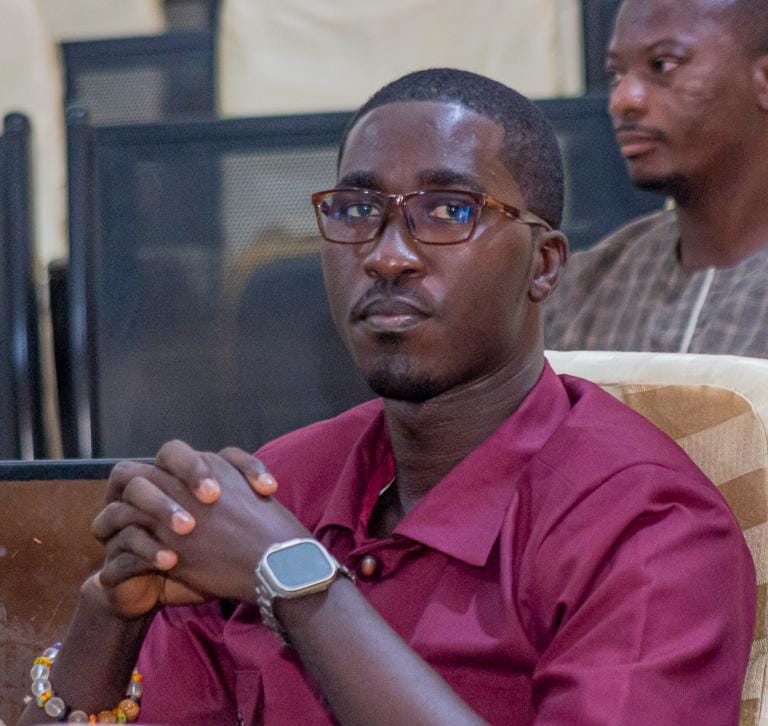
Programme Officer at Eduwatch, Kwasi Nimo Jnr., said although Ghana’s 1992 Constitution guarantees free, compulsory and accessible basic education, there is still no comprehensive policy clearly defining what government, schools and parents are responsible for providing at the basic level.
Article 25(1)(a) of the Constitution states that basic education shall be free, compulsory and available to all, while secondary education is to be made generally available and accessible through the progressive introduction of free education.
According to Mr Nimo, the distinction is important because basic education was constitutionally intended to be free from the outset, unlike secondary education, which was to be progressively made free.
He noted that the Free Compulsory Universal Basic Education programme was introduced in 1996 to give effect to this constitutional provision, while the Capitation Grant was introduced in 2005 to abolish school fees and provide resources to public basic schools.
The intervention was complemented by the provision of textbooks, exercise books, school infrastructure and furniture, as well as initiatives such as free school uniforms and the Ghana School Feeding Programme in deprived communities.
However, Eduwatch says these interventions have not been supported by a comprehensive policy and sustainable financing framework that clearly defines the scope of free basic education.
Mr Nimo said this has left parents shouldering a significant portion of the cost of basic education.
He cited a recent Eduwatch study on the *Out-of-Pocket Costs (OOPC) of “Free” Basic Education*, which found that parents paid for at least 10 education-related items, including termly examination fees, PTA levies, textbooks, exercise books, uniforms and BECE preparation fees.
The study found that parents spent an average of GH¢620.67 per child annually, with 99% of the 200 parents surveyed across 20 districts reporting that they had paid for at least one of the items.
Eduwatch argues that such costs undermine the practical meaning of free and compulsory basic education, particularly for low-income families.
The organisation is also concerned about the disparity in financing between basic and secondary education.
Mr Nimo pointed to the development of a more sustainable financing arrangement for Free SHS through the *GETFund (Amendment) Bill, 2025*, following Parliament’s decision to uncap GETFund to provide financing for free secondary education.
He said the development demonstrates what can be achieved when a major education intervention is backed by legislation and a dedicated funding mechanism.
“Why should the foundation be left without the same?” he questioned, arguing that basic education forms the foundation upon which secondary and tertiary education are built.
According to Eduwatch, basic education serves more than six million learners, making it the largest subsector of Ghana’s education system.
The organisation is therefore calling for stronger political commitment towards basic education, increased and adequate financing guided by a comprehensive and costed fCUBE policy, and a ring-fenced funding arrangement similar to what now exists for secondary education.
It also wants clear responsibilities assigned to government, schools, Metropolitan, Municipal and District Assemblies and parents to ensure that families are not left to determine on their own what should be provided free of charge.
Mr Nimo stressed that the call is not an attack on the Free SHS programme, which he said was a necessary intervention.
Rather, he said, the focus is on ensuring that the foundation of the education system receives the same level of policy attention and financial commitment.
“If we can find the will and the money for the top of the system, we can, need to, and should find the will and the money for the foundation,” he said.
He said strengthening basic education would ultimately help improve learning outcomes and reduce the financial pressures faced by parents.
Eduwatch believes that a well-financed and clearly defined fCUBE policy would make basic education more genuinely free, compulsory and universal while strengthening the foundation of Ghana’s education system.
By Joseph Yugtii