
Egg suppliers in the Eastern regional capital, Koforidua, are calling on the government to resolve the trade impasse between Ghana and Burkina Faso, which has halted egg exports for more than two months and triggered a glut on the domestic market.
The stakeholders, at a press conference in Dormaa Ahenkro, one of Ghana’s leading egg-producing centres, warned of mounting losses due to restricted cross-border trade.
The suspension, according to the Poultry Farmers, Egg Sellers and Exporters Association, is reportedly linked to health concerns stemming from Ghana’s earlier bird flu outbreak, which they say has not been conclusively addressed through an official government white paper, leaving the restrictions in place.
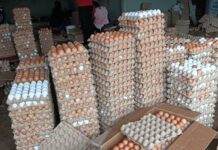
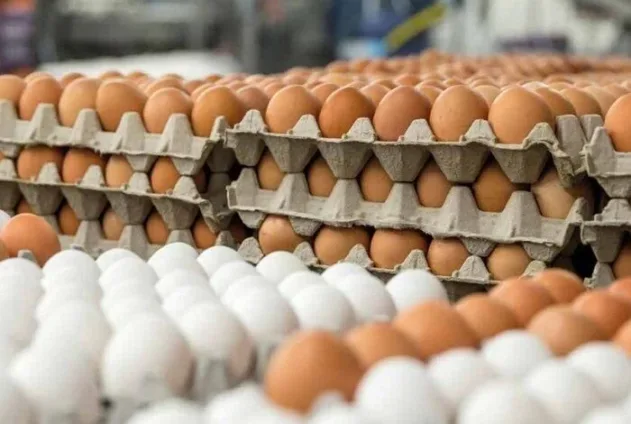
The disruption, industry players say, has led to a sharp oversupply of eggs locally, putting pressure on farmers, traders and distributors, many of whom are struggling to avoid losses as perishable stock piles up.
Abena Amankwaa, an egg supplier at the Koforidua Central Market, said the absence of export markets had significantly reduced demand, forcing sellers to lower prices in a bid to prevent spoilage.
“The persistence of excess supply can compel me to sell crates of eggs at far lesser prices,” she said.
She indicated that a crate of eggs currently sells for between GH¢50 and GH¢55, but warned that prices could decline further if the situation persists.
While suppliers face financial strain, some consumers and small businesses are benefitting from the reduced prices.
A baker, Rebecca Gyan, said the development has enabled her purchase eggs in bulk at lower cost, improving her production.
“My baked goods will be enriched, improving both the taste and quality of my products,” she said.
Household consumers have also welcomed the price drop, noting that it allows families to include more eggs in their diets, potentially boosting protein intake.
However, industry players warn that the current situation is unsustainable and have renewed calls for urgent diplomatic engagement between Ghana and Burkina Faso to restore trade flows to stabilise the market.