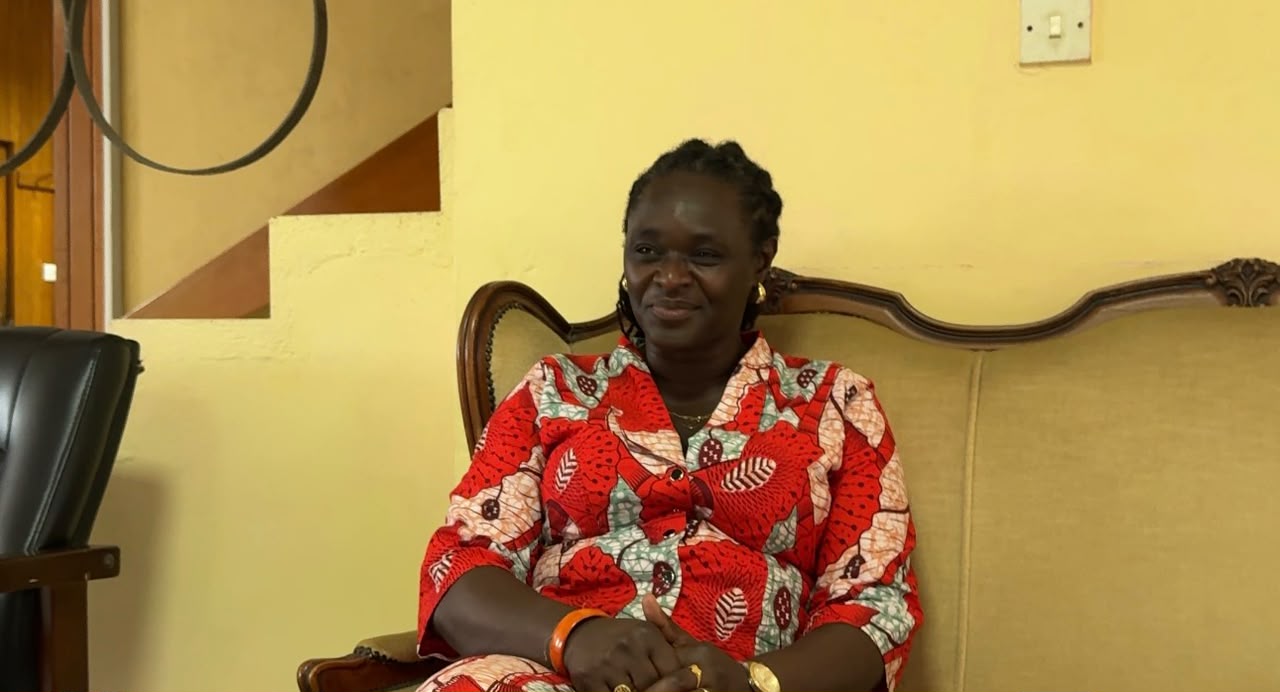

The Environmental Protection Authority (EPA) is set to undertake a major dredging operation on some of Ghana’s most critical rivers, as the agency moves to restore natural water flow and protect communities from flooding.
To ensure the uninterrupted flow of river bodies across the country from their sources through midstream to downstream courses, the Chief Executive Officer of EPA, Professor Nana Ama Browne Klutse, has outlined plans to collaborate with the Western Regional Coordinating Council for a dredging exercise.
The initiative will focus on the Pra and Bonsa rivers in the region, while also prioritizing the River Tano in the Samreboi area to protect surrounding communities from flooding.
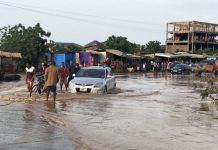
According to Professor Klutse, the agency’s nationwide assessment has revealed that most river courses are now choked with silt and sand.
She further noted that illegal mining activities have diverted many rivers from their natural paths into other areas.
“The rivers are not flowing because the channels are choked or blocked with silt,” she explained. “So the first step is to dredge and allow the flow.”
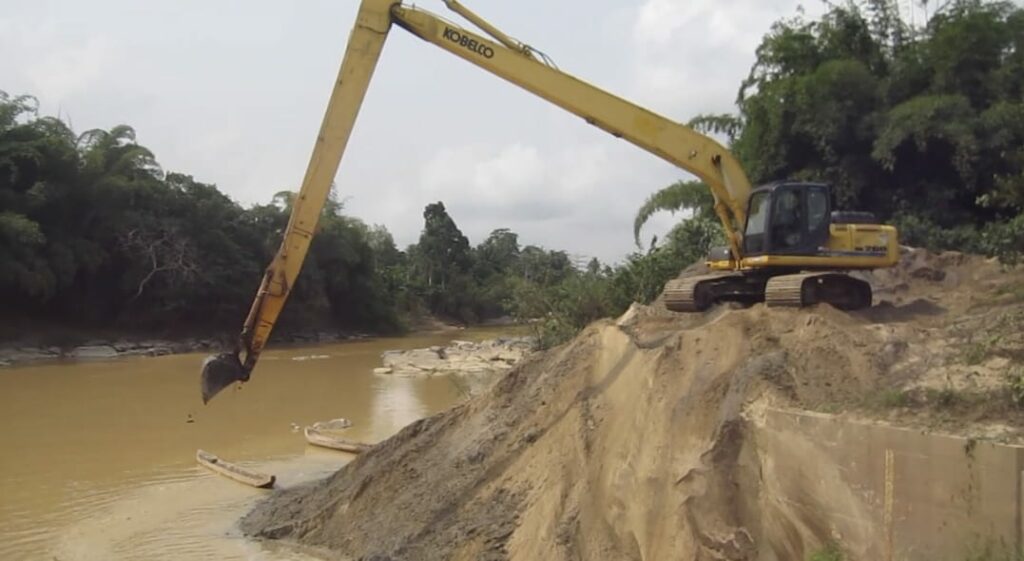
Professor Klutse stated that the EPA’s intervention will go beyond simple dredging. The authority plans to carry out comprehensive engineering works to restore the natural flow of rivers from their sources to their intended courses, eventually leading to the ocean.
She added that the dredging exercise will commence soon, with the River Tano in the Samreboi area being prioritized to protect surrounding communities from flooding.
“So what we intend to do as the EPA is to dredge and allow the waters to flow from their sources through the midstream to the downstream,” she said.
“For instance, we know the River Pra is heavily blocked in areas of the Central Region, so we need to allow it to flow through and into the sea.
“Our plan is to desilt the rivers, we will likely prioritize the River Tano in the Samreboi area to start with, in order to keep communities safe from flooding. Of course, the River Pra is also massive, and the River Tano is equally huge.
“We really have large rivers in this country, all facing the same challenges of blocked and silted water paths. We will soon get into the rivers to do the dredging before we proceed with the cleaning,” she noted.
Speaking in a side interview on the first day of her three‑day working visit to the Western Regional Minister, Professor Klutse revealed that the EPA had conducted a proof of concept using technology to clean the water bodies, but the initiative has come with its own challenges.
She noted that the rivers are not flowing, which has become a major hurdle for the authority.
“EPA did a proof of concept with the technology to clean our water bodies, and that is proving challenging,” she disclosed. “One challenge we also encountered is that the waters are not flowing. Even if we treat the water, it doesn’t really flow because the rivers are choked or blocked with silt.”
“So the first step is to dredge and allow the flow, and then we can apply ionic nano copper to clean the river, which will remove heavy metals and also help with turbidity levels. This will equally allow Ghana Water Company to get adequate water to treat for the potable water we need.”
Meanwhile, Western Regional Minister Joseph Nelson has praised the EPA’s initiative to clean the region’s key water bodies, especially the Pra and Bonsa rivers, which provide drinking water for the Tarkwa Nsuaem and Sekondi Takoradi municipalities and surrounding communities.
“Not long ago, we received a letter from your office regarding support you are ready to provide so that we could focus our attention on the Pra and Bonsa rivers,” Nelson said.
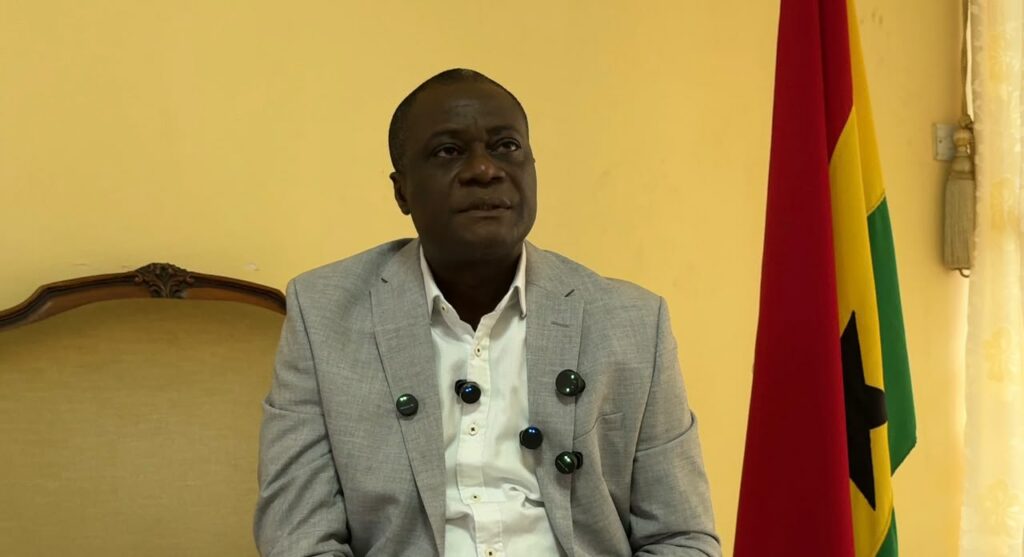
“These two rivers are critical sources of potable water for these areas, and it is important that we keep them in a condition that ensures Ghana Water Company is able to supply clean drinking water to the communities,” he added.
By Ebenezer Atiemo