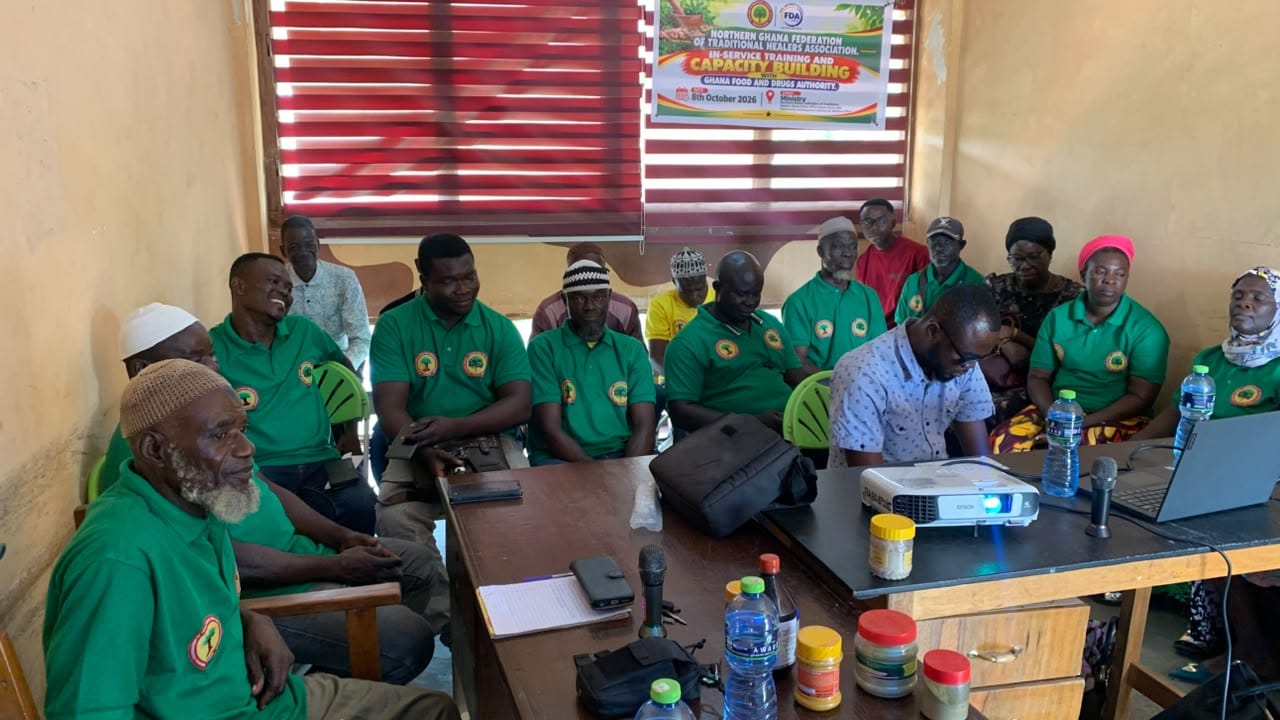

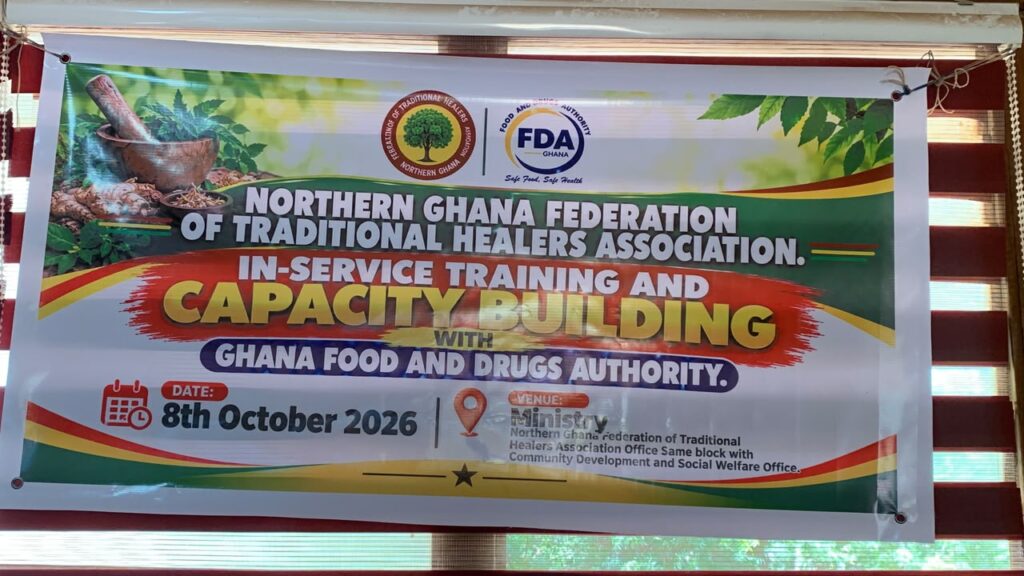
As part of efforts to enhance public health, safety and regulatory compliance, the Food and Drugs Authority (FDA) Ghana joined forces with the Northern Ghana Federation of Traditional Healers Association to conduct an in-service training and capacity-building workshop.
The workshop, held on October 8, 2026 at the Ministry block housing, the Northern Ghana Federation of Traditional Healers Association alongside Community Development and Social Welfare offices, brought together local herbal medicine practitioners to standardise herbal healthcare delivery across the region.
The capacity-building session focused on regulatory compliance, hygiene, proper labelling and accurate dosage to ensure traditional medicinal preparations meet strict safety parameters before reaching consumers.
The event served as a crucial forum for practitioners to voice systemic challenges facing herbal medicine in the northern sector.
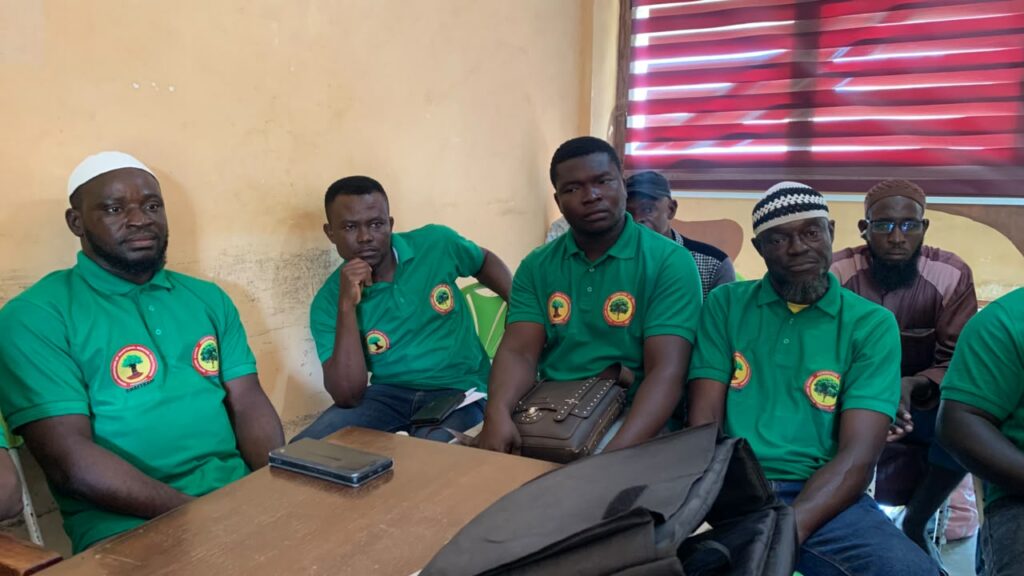
Participants highlighted a growing resource disparity between traditional healers in Southern and Northern Ghana.
“While practitioners in the Southern sector frequently benefit from state support and financial backing, those of us in the North operate largely without assistance,” participants said during the session.
Addressing the media and gathering officials, practitioners issued an urgent call to the government, authorities and private stakeholders to intervene with direct financial aid, infrastructure and equipment to help elevate local practice standards.
“We must bridge the divide between the north and south if we are to unlock the full potential of traditional medicine in Ghana.
“Therefore, we urgently appeal to the government and well-meaning citizens to extend the necessary financial and infrastructural support to practitioners in the Upper East Region, ensuring they are equally equipped to serve our communities safely and effectively,” participants noted.
With enhanced collaboration between the FDA and local traditional healers, stakeholders hope the initiative will pave the way for safer healthcare delivery while encouraging greater government investment in northern Ghana’s traditional health sector.
By Tanko Mohammed Rabiu