
Great tension precedes every political contest—tension that often leaves contenders and their supporters not only with bruised egos, but also with long-lasting divisions.
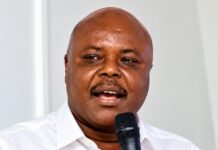
For Joseph Cudjoe, former Member of Parliament for Effia in the Western Region, the New Patriotic Party (NPP) risks walking into that same trap once again.
If left unchecked, he warns, it will lead to voter apathy among our party members.
The NPP government, after being loudly clapped out, has spent the past year attempting to rebuild. Party leaders have made overtures to suspended members and rallied grassroots supporters around a new vision for 2028. Yet, even as the rebuilding process unfolds, the party has accelerated into campaign mode, launching preparations for its presidential primaries.
For some, this rush is premature.
“The wound from 2024 is still fresh,” party insiders argue. Five members —including 2024 flagbearer Dr Mahamudu Bawumia—will contest. Predictably, competition has brought with it familiar patterns: sharp rhetoric, name-calling, and entrenched slogans that Mr Cudjoe fears could derail efforts at unity.
One refrain particularly troubles him: “No Candidate X, No Vote.” To the uninitiated, it may sound like passionate loyalty. But in Ghana’s volatile party politics, such phrases can deepen factional fault lines. In an article shared with ConnectNews, Mr Cudjoe cautioned that these slogans carry the seeds of apathy and alienation:
“Phrases like ‘No Candidate X, No Vote’ can create division and lead to apathy within our NPP support base. If we truly want NPP to succeed in the upcoming elections, we need to refrain from such divisive rhetoric during our internal election processes and instead promote messages that unite us.”
Factionalism is not new to the country’s political landscape. Analysts note that supporters of losing candidates are often sidelined once their rivals ascend to power, breeding resentment and entrenching bitterness. Far from healing, such dynamics can linger, sometimes quietly, until they resurface in moments of crisis.
Mr Cudjoe recalls how similar rivalries before the 2024 polls undermined party cohesion. “Imagine if we incite resentment towards Bawumia supporters with a ‘No Bawumia, No Vote’ narrative,” he reflected. “The disunity that would follow could have long-lasting effects, not just for this election, but also for future contests.”
His warning carries an unmistakable urgency: that by ignoring the lessons of the past, the NPP risks creating “wounds” that, in his words, may take “forever” to heal.
Yet his message is not one of despair. Rather, he presents a call for perspective and restraint:
“We all want NPP to remain a strong party, and that requires all of us to think beyond our personal preferences. Let’s prioritise the greater good of our party and channel our energies towards fostering unity and collaboration. By carefully considering the messages we share, we can create an atmosphere of support and enthusiasm among our voters.”
As the primaries approach, the NPP faces a familiar dilemma—balancing the fiery passion of internal contests with the sobering task of stitching together a unified front for national elections. Whether the party can manage that balancing act may well determine its chances in 2028. Mr. Cudjoe remains positive about a desirable outcome.
By Eric Yaw Adjei