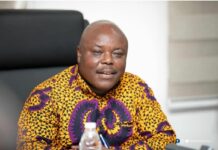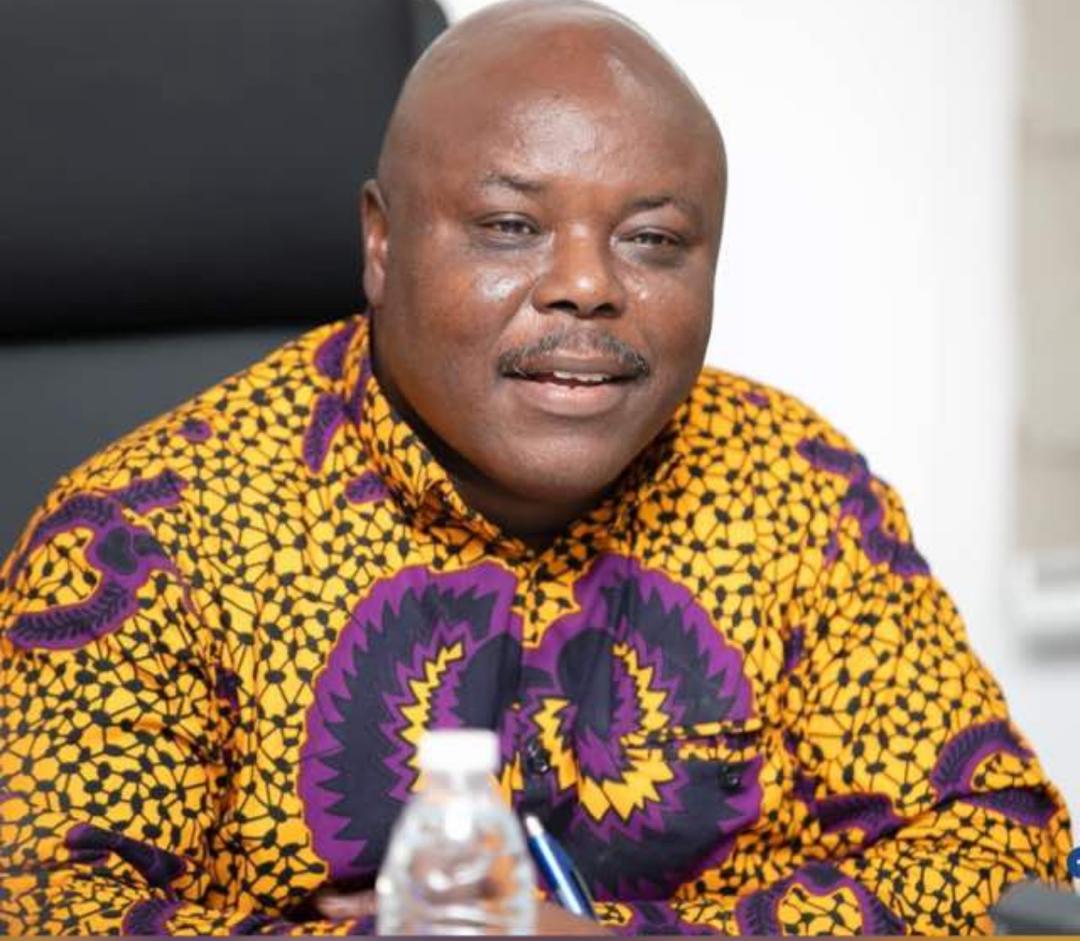

Joseph Cudjoe, a former Member of Parliament for Effia in the Western Region, has narrated a heart-wrenching story that goes beyond personal tragedy and exposes a national emergency the country has failed to confront.
He believes the country’s long-standing “indecisiveness” in dealing with illegal small-scale mining, or galamsey, is putting countless lives at risk of contracting chronic, non-communicable diseases, particularly kidney-related illnesses that are quietly spreading through polluted communities.
Speaking with ConnectNews about his article “Gold, Poison and Kidneys: A true story Ghana must hear,” he revisited a 35-year-old experience that shaped his understanding of mining’s hidden cost.
“I learnt of this risk in 1990 in Obuasi, when Ashanti Goldfields installed its globally acclaimed Sulphur treatment plant (the STP-BIOX), which uses bacteria to remove Sulphur compounds (pollutants) from water as part of its gold recovery process.”
It was his late cousin — the mechanical engineer then responsible for running the plant — who first warned him of the dangers. “He told me of the risks of excessive poisons the mining industry was unleashing into our environment. He warned that Ghana shouldn’t allow individuals to do mining because they cannot safely handle these deadly pollutants in the same way Ashanti Goldfields was doing by investing in the expensive Sulphur treatment plant. He mentioned kidney damage associated with the compounds of cyanides, mercury, arsenic — the very chemicals used in gold recovery.”
That warning would later prove prophetic. His cousin moved his family from Obuasi to Accra, fearing prolonged exposure to mining pollutants. Yet the damage may have already been done. He died of kidney failure — the very danger he had spent years advocating against. “I believe many Ghanaians are walking around with kidney problems unknowingly. That recent research shows that even the faraway Volta Region has signs of pollution from these chemicals should worry every Ghanaian.”
Over the past three decades, his concern has only deepened. “The availability of dialysis machines in our hospitals hasn’t even been a mainstream topic until recent times,” pointing to what he believes is an unfolding public-health crisis born of environmental neglect.
The former MP’s testimony is in sync with mounting scientific evidence. Studies in 2025 by Scientific Reports and Ghana’s Environmental Protection Agency revealed that mercury, arsenic, and lead concentrations in several river systems — including the Pra, Offin, and Ankobra — exceed World Health Organization safety limits by alarming margins. Pure Earth, an environmental research group, has further linked galamsey pollution to rising kidney and liver diseases in mining districts.
The former Minister of Public Enterprises argues that each time the government fails to act decisively, hundreds of Ghanaians are pushed further to the brink of contracting non-communicable diseases and “it is not a joke.”
Despite successive interventions — military task forces, equipment seizures, community sensitisation campaigns — the illegal mining network persists and expands. “The discovery of new and even bigger sites,” he noted, “shows that the measures are not punitive enough. Therefore, the talk about a State of Emergency might be the way to go.”
He fears that high global gold prices have made galamsey a lucrative and unrelenting enterprise, one that makes the fight against it very difficult. “The price is over 4000 USD an ounce now, so you can imagine the stakes we are dealing with. However, I believe we can end galamsey.”
When asked why he did not relate this story and caution during his time in government, he insisted that galmasey and its associated effects transcend politics. “It is sad that we allow the noise of politics to muffle discussions of such significance. While we play politics with everything, the looming crisis lies quietly and will hit at a time that might be too late. There, whether government A or B, will not matter. The call for action is now.”
He emphasised that his warning is not only personal but of a national reckoning.
“My cousin’s death serves as both a caution and a sad metaphor that our dear country is dying slowly of the same contamination it refuses to confront. Unless leaders treat the crisis with the seriousness of a national security emergency — through legal reforms, scientific remediation, and tough but fair enforcement, the cost will be counted in a good reserve but in lives.”