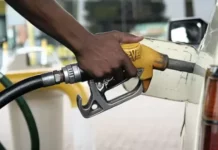
Some Oil Marketing Companies (OMCs) have commenced the implementation of the January pricing window by marginally slashing the prices of fuel at the pumps.
The reduction began in the New Year due to the continued decline in petroleum costs, offering relief for both private and commercial transport users.
Among the first to adjust the digital display of the price cuts was market leader, Star Oil, setting a competitive benchmark for the industry. The company’s latest price list reflects a significant dip in costs across its major products as shown below:
- Petrol: Now selling at GH¢10.86 per litre.
- Diesel: Priced at GH¢11.96 per litre.
- RON 95: Positioned at GH¢13.56 per litre.
Management of Star Oil attributed the price drops to direct result of a “favourable domestic and external cost environment.”
According to Star Oil, the recent appreciation of the Ghana cedi with the slump in international refined product prices as the primary drivers allowing them to shift the savings to consumers.
Meanwhile, the Chamber of Oil Marketing Companies (COMAC) has projected a robust outlook for the month, suggesting that competitive pressures will force more OMCs to follow suit in the coming days.
COMAG, in its January 2026 pricing outlook, provided a breakdown of the expected percentage declines as follows:
- Petrol: Projected to fall by up to 4.80%.
- Diesel: Estimated to drop by approximately 3.77%.
- LPG: Expected to see a reduction of roughly 2.19%.
According to COMAC, the relief at the pump is being fueled by two major factors.
First of all, the Ghana Cedi has shown remarkable resilience against the US Dollar in recent weeks, reducing the landing cost for importers. Second, global refined petroleum markets have seen a surplus, leading to lower benchmark prices.
The Chamber further explained that the expected price falls reflect a “favourable domestic and external cost environment,” noting that lower global prices and a stronger local currency have significantly eased the exchange-rate pressures that typically drive up ex-pump pricing.
For commercial drivers—locally known as Trotro operators—the reduction is a vital reprieve. With fuel being a major operational cost, these marginal decreases help stabilize transport fares, which in turn curbs food price inflation.
Industry analysts suggest that if the cedi maintains its current trajectory and international crude prices remain below $80 per barrel, Ghanaians could see even more substantial relief by the second pricing window in mid-January.
Cedi-Dollar rate does not directly determine fuel prices – CEO of COMAC clarifies