
The Coalition Against Galamsey Ghana has challenged key aspects of the government’s Accountability Series report on the natural resources and mining sector, insisting that illegal mining (galamsey) remains widespread despite official claims of progress.
Addressing a news conference in Accra on Monday, July 20, the Convener of the Coalition, Ing. Ken Ashigbey, said while the group acknowledged some positive steps taken by the Ministry of Lands and Natural Resources, the situation on the ground painted a different picture.
The coalition’s response follows the Accountability Series presentation delivered last week by the Minister for Lands and Natural Resources, Emmanuel Armah-Kofi Buah.
Ashigbey commended the government’s decision to revoke Executive Instrument (EI) 144, as amended by EI 234, which had allowed portions of the Achimota Forest to be used for purposes other than conservation.
He described the decision as a bold move that prioritized citizens’ welfare and environmental protection over political interests.
The coalition also praised efforts by the Ministry to reclaim forest reserves classified as “red zones” from illegal miners.
However, it argued that reclaiming forests alone does not guarantee their long-term protection.
“Most of our forest reserves remain under vicious encroachment by illegal miners,” Ashigbey said, citing the Tano Offin Forest Reserve, Cape Three Points Forest Reserve, Atewa Forest Reserve and the Draw River Forest Reserve as areas that continue to face serious threats.
The coalition urged the government to provide the Forestry Commission with additional resources and security support, including armed forest guards and protected camps within forest reserves, to sustain enforcement efforts.
It also renewed its call for the Atewa Forest Reserve to be declared a national park, saying such a move would secure a critical water source for millions of Ghanaians.
On the broader fight against galamsey, the coalition rejected the ministry’s assertion that the era of impunity had ended.
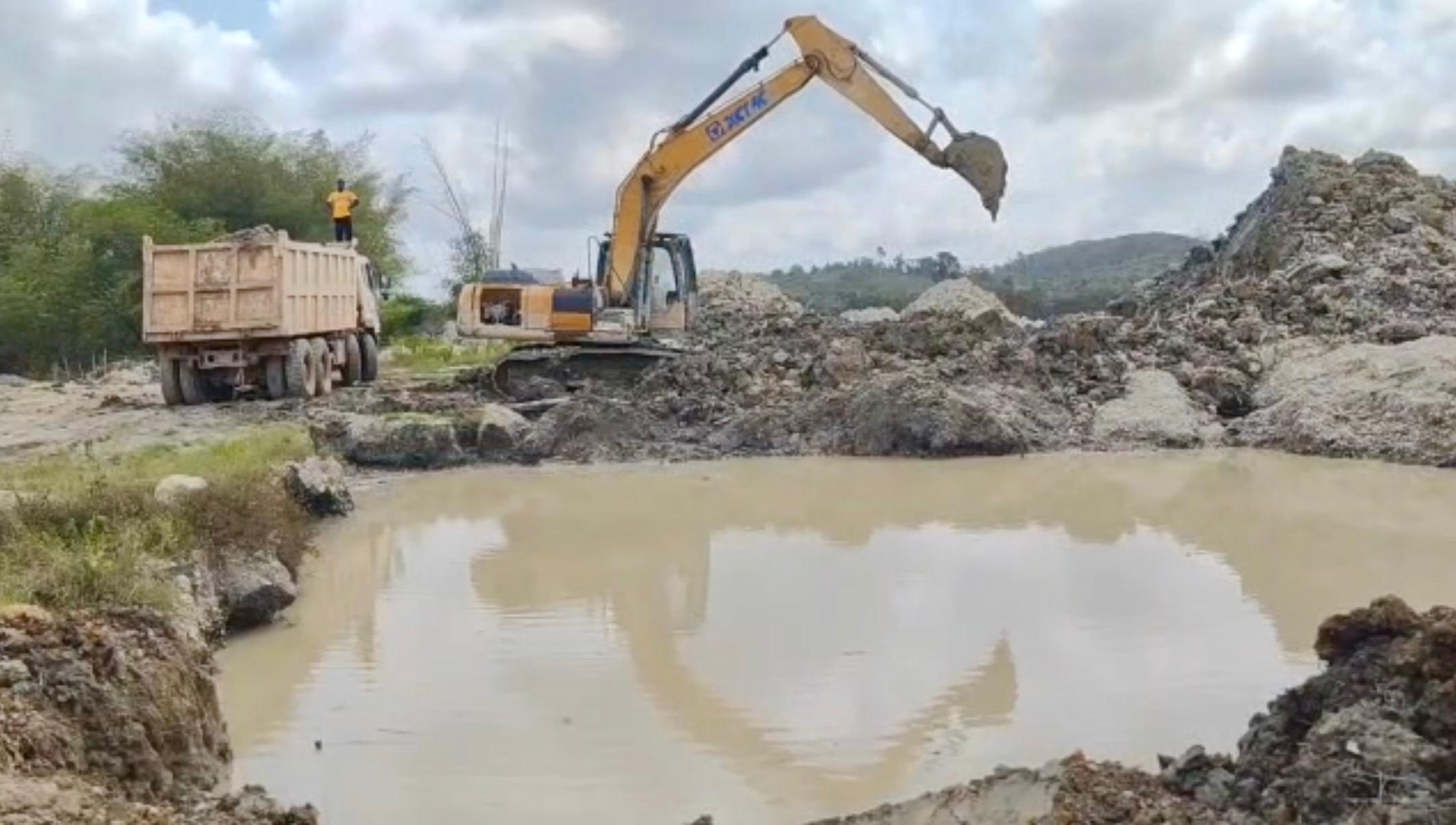
According to Ashigbey, illegal mining continues unabated in parts of the Eastern, Ashanti, Bono and Western regions, with several communities still experiencing environmental destruction, intimidation and pollution of major rivers.
He cited illegal mining activities around the Birim, Pra and Ayensu river basins, the Bui catchment area, and mining activities in wetlands as evidence that enforcement remains inconsistent.
The coalition further called on President John Mahama to ensure the arrest and prosecution of individuals implicated in illegal mining around major national assets, including protected forests and tourist sites.
Ashigbey also questioned the effectiveness of the National Anti-Illegal Mining Operations Secretariat (NAIMOS), despite its reported record of more than 2,000 enforcement operations.
He said the coalition had received allegations of selective enforcement and claims that some confiscated equipment had been returned to illegal miners after unofficial payments.
“If this is true, it is shameful and an affront to the integrity of NAIMOS,” he said, calling on the agency to publicly respond to the allegations and establish transparent complaint mechanisms.
The coalition further criticised what it described as weak enforcement by sections of the Ghana Police Service.
While welcoming the deployment of more than 2,000 Blue Water Guards to monitor rivers and report illegal mining, Ashigbey argued that the initiative would have limited impact if law enforcement agencies failed to act promptly on intelligence.
He urged the Inspector-General of Police and the National Security Council to investigate allegations of police inaction and possible complicity in illegal mining activities.
On legislative reforms, the coalition welcomed plans to amend the Minerals and Mining Act, 2006 (Act 703), but stressed that any amendments must strengthen protections for forests, water bodies and mining host communities.
It also called on the Ministry of Lands and Natural Resources to release the Cabinet-approved draft amendments for public scrutiny before Parliament considers the bill.
The coalition further appealed to the government to publish the report of the Constitutional Review Committee and prioritise environmental governance reforms to address what it described as systemic failures in natural resource management.
Ashigbey expressed concern over the lack of prosecutions involving politically exposed persons allegedly linked to illegal mining, despite repeated public commitments by the President.
He also criticised the continued deportation of foreign nationals engaged in illegal mining without prosecution, describing the practice as contrary to Ghanaian law.
To improve transparency and accountability, the coalition renewed its earlier proposals for the publication of daily water quality data, monthly reports on the state of Ghana’s rivers and forests, quarterly food safety assessments in mining-affected communities, and regular updates from the Attorney-General on galamsey-related prosecutions.
“We either deal with this menace or we perish because without clean water, clean air and standing forests, we are done as a nation,” Ashigbey said.
He said the coalition remained committed to working with the government in good faith to strengthen environmental governance and end illegal mining in Ghana.
By Evelyn Tengmaa