
Deputy National Director of A Rocha Ghana, Daryl Bosu, has commended government for taking concrete steps to repeal the controversial Legislative Instrument (L.I.) 2462, which permitted mining in forest reserves.
He described the move as “a significant victory” in Ghana’s environmental protection efforts but cautioned that it is only a step in a much longer battle against deforestation and illegal mining.
In an interview on the KeyPoints with Alfred Ocansey, Mr. Bosu explained that the country’s forest reserves were never intended to become future mining concessions but were established to provide vital ecosystem services and social benefits for citizens.
“Our forest reserves were set up to guarantee social and environmental services, not for mining. For anyone to think they were meant for future concessions is a complete misunderstanding,” he said on November 1.
He explained that before the passage of L.I. 2462 in 2022, Ghana’s forest policy allowed limited mining only about two percent of production forest areas, roughly 25,000 hectares.
But the new instrument expanded that drastically, exposing up to 89 percent of the nation’s forest reserves to mining activity.
“L.I. 2462 was effectively government’s own form of galamsey,” he said.
“It opened almost the entire production and protected forest reserves to mining. That’s why civil society pushed so hard for its repeal.”
Mr. Bosu noted that while previous administrations attempted to repeal or amend the regulation, the current government’s action marks the first clear commitment to restoring the original policy that strictly limited mining access in forest zones.
“This repeal shows the government is listening to the people and taking steps to protect our forests. But we must remember this is only half the battle,” he cautioned.
“We still need strong enforcement, monitoring, and resource allocation to stop illegal mining and protect communities near forest areas.”
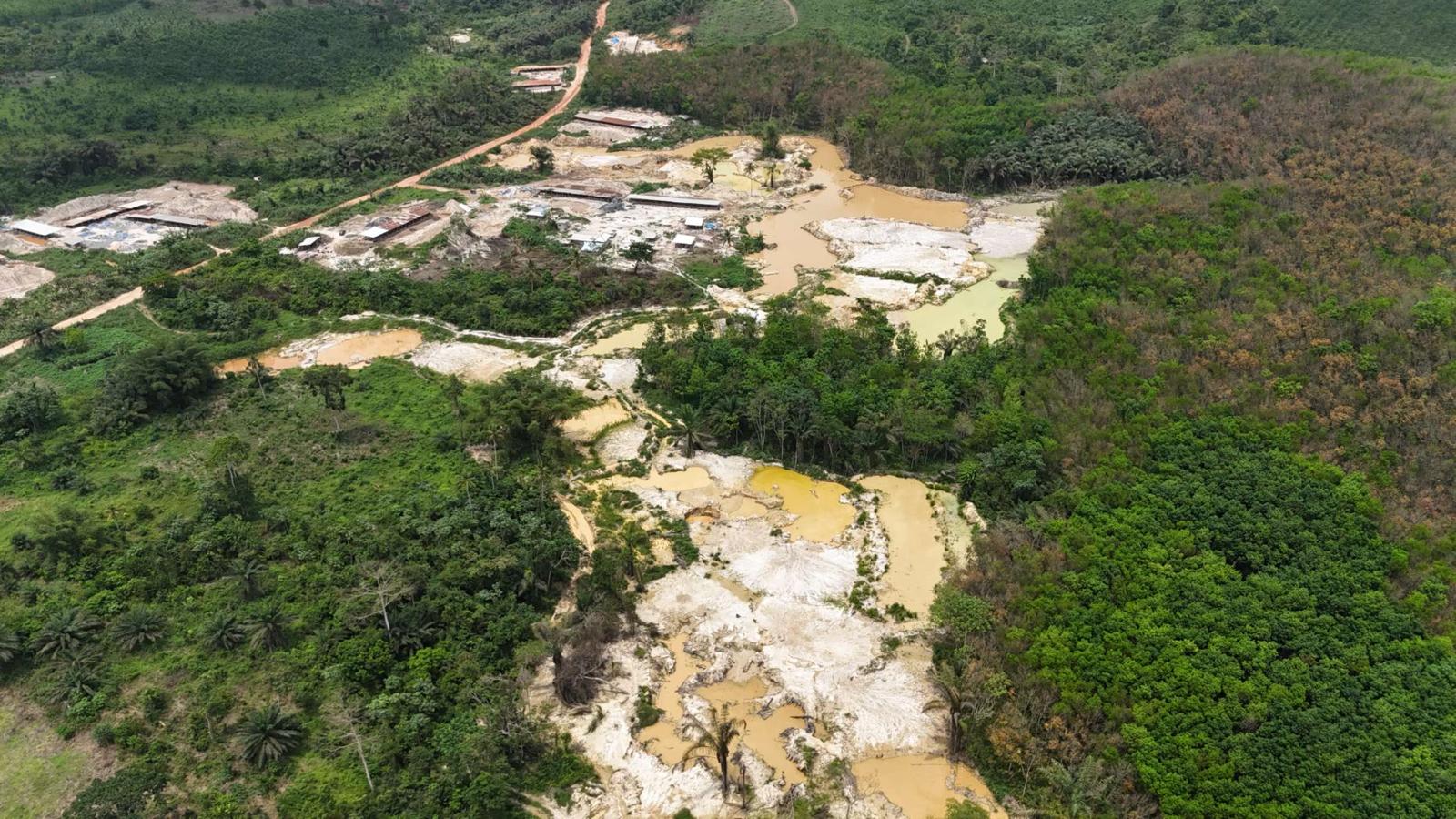
He revealed that even as the repeal process is underway, illegal mining continues in areas such as Atronsu, between Asawinso and Sefwi communities, where some miners have reportedly threatened locals who resist their operations.
He urged immediate intervention from the police, local assemblies, and regional authorities.
“This shows that while we have won a policy battle, the fight on the ground is far from over,” he said.
Mr. Bosu also highlighted the urgent need to resource environmental enforcement agencies like the Minerals Commission and the Forestry Commission, which he said are struggling due to inadequate funding and logistics.
“They have the strategies and frameworks, but not enough tools to act. It’s good to hear that some pickups and equipment have been provided, but they need much more. The Lands Minister himself has said Ghana may need up to 10 billion dollars to truly combat galamsey,” he explained.
He questioned whether the benefits of mining outweigh the long-term environmental cost, citing the devastation of major rivers and biodiversity-rich forests such as the Atiwa Range.
“The Atiwa Forest alone supports three major rivers and millions of livelihoods. If we destroy it for bauxite, we lose far more than we gain,” he said.
Mr. Bosu concluded by urging government and citizens to think beyond short-term economic gains.
“If we truly want to develop, we must protect what sustains us. Let’s look at eco-friendly alternatives like nature-based tourism or eco-parks that preserve the integrity of our forests while creating jobs,” he said.
He added that A Rocha Ghana will continue to monitor the implementation of the repeal and advocate for stronger compliance measures to ensure Ghana’s forests are never again exposed to large-scale mining.