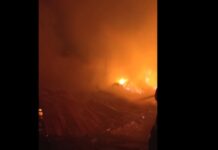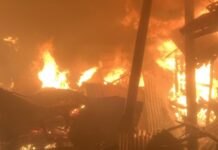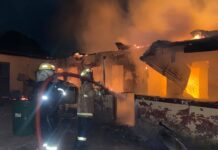

Ghana suffers an average of 100 fire outbreaks every week, Interior Minister Muntaka Mohammed-Mubarak has said, warning that buildings which fail fire safety checks will be locked.
The figure climbs to about 150 a week at the height of the harmattan fire season, which last ran from November 2025 to February 2026, with markets, homes, vehicles and bushland among the casualties.
Recent days underline the point: firefighters battled a building fire at Madina in La Nkwantanang.
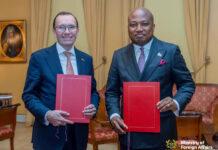
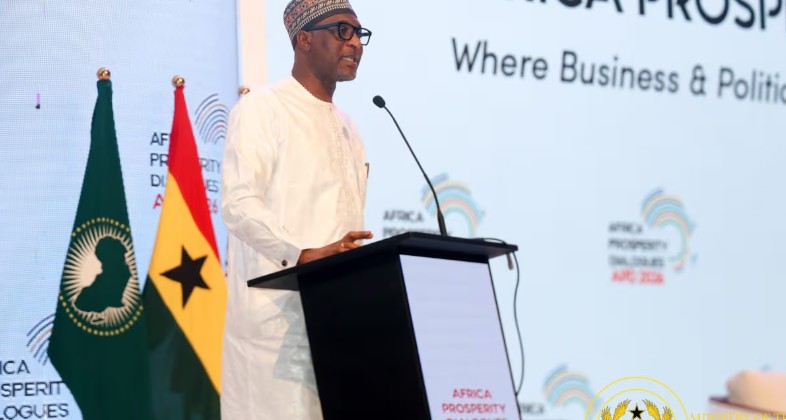
Muntaka issued the warning as the Interior Ministry applied for a fire safety certificate for its own new office premises through the Ghana National Fire Service’s Automated Fire Compliance and Safety System (AFCAS).
“Those of us in authority must do the right thing. We indirectly or directly encourage those in the private sector to follow suit,” he said.
The GNFS will set up a task force to enforce the rules among owners of commercial and residential properties, who are required by law to renew fire safety certification every year. In August the Service gave property owners six months to comply
Inspectors check for working extinguishers, alarm systems, adequate emergency exits and clearly marked assembly points. AFCAS, launched in February by the Ministry of the Interior, replaces the manual paper process with real-time compliance tracking and inspection records.
An application takes 15 to 20 minutes online, accredited service providers help fix any deficiencies identified, and fire officers inspect the premises before the certificate is issued.
Muntaka said several government buildings do not yet meet the standard, and asked fellow ministers and heads of institutions to have their facilities assessed, starting from the seat of government.
He said the enforcement is not meant to harass property owners but to push prevention: buildings whose owners fail to fix what inspectors find will be closed.
He cited a major government institution that ignored repeated reminders to renew its certificate for five years, then lost offices to a fire that took millions of cedis to restore.
The dry-season outlook sharpens the risk. Dr Eric Asuman, Director-General of the Ghana Meteorological Agency, said in an interview that GMet’s forecasts show El Niño conditions are more than 80 per cent likely to persist from January to March.
It means longer dry spells, heavier dust and a higher bushfire risk. The Ghana Health Service has issued a public health alert over the anticipated effects.
Prevention, the Fire Service argues, is mostly in ordinary hands. On TV3’s New Day on Monday, the Service’s Northern Regional Public Relations Officer, ADO1 Hudu Baba, said 95 per cent of fires in the country are preventable.
He asked workers to unplug appliances when leaving the office, home or bed, to check LPG installations for leaks, and to keep cylinders separate from cookers. Asuman said prolonged exposure to dusty air aggravates respiratory conditions; our indoor air guide explains how to cut exposure at home.