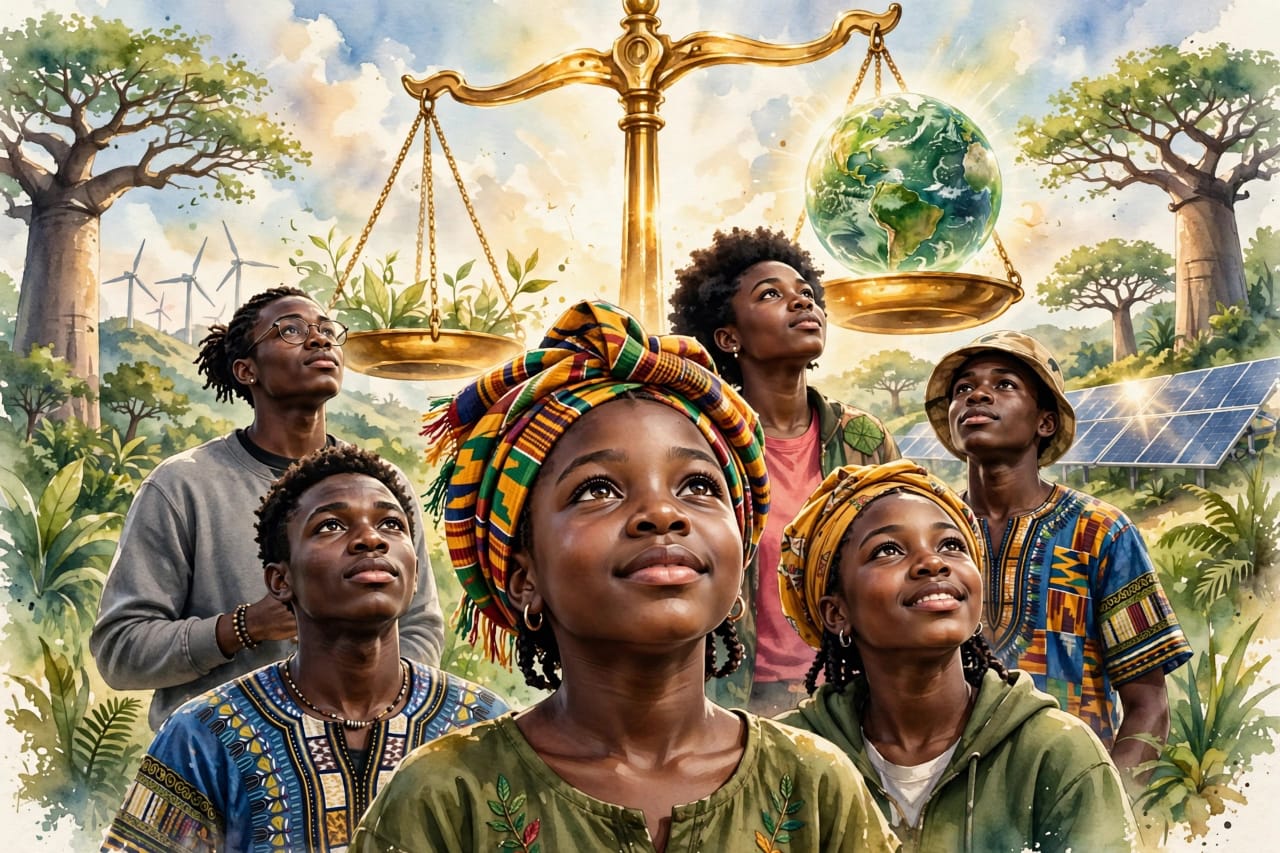

Hundreds of young Ghanaians converged virtually on August 22–23 for the Local Conference of Youth (LCOY) Ghana 2026, producing a National Youth Statement that calls for sweeping reforms to how the country funds, governs, and implements climate action — with equity for the most vulnerable at its core.
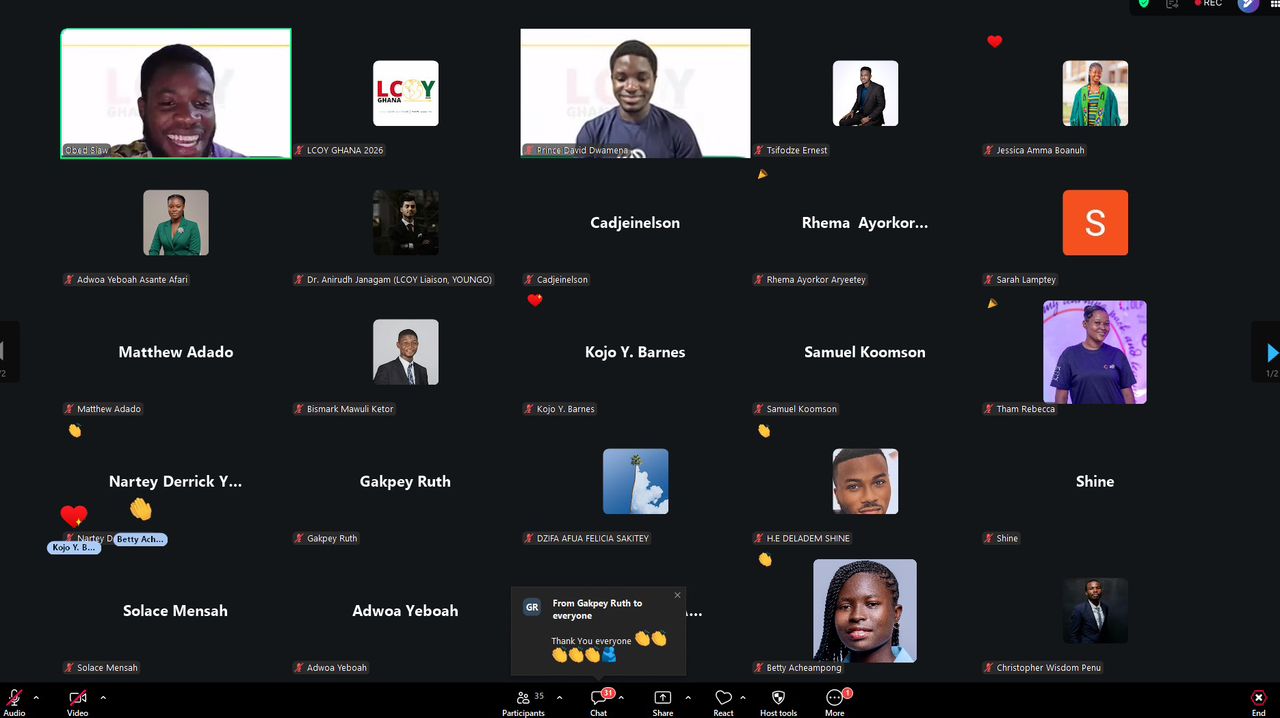
Held under the theme “Youth-Led Equity: Driving Fair Climate Solutions in Ghana,” the two-day conference was co-convened by Starlight Foundation and Nalike Africa, and brought together roughly 300 students, farmers, fisherfolk, entrepreneurs, researchers, and community advocates from all 16 regions of the country.
The conference is affiliated with YOUNGO, the official youth constituency to the UN Framework Convention on Climate Change, positioning its outcomes to feed directly into the African Group of Negotiators’ and UNFCCC’s climate processes ahead of COP31.
Why It Matters
Ghana’s climate risks are intensifying and unevenly distributed. Northern regions face worsening drought and desertification, coastal communities are losing land to rising seas, and erratic rainfall is damaging harvests nationwide.
Organizers point to global research showing that women, youth, low-income groups, rural communities, and people with disabilities bear disproportionate climate burdens despite contributing least to the emissions driving them — a gap the conference set out to address head-on.
What Young People are Doing
The climate crisis has deepened existing inequalities and intensified the challenges facing Ghana’s most vulnerable communities. At the same time, it has become fertile ground for youth-led innovation that draws on local knowledge to confront these challenges directly.
Delegates showcased solutions ranging from manure-based composting that boosts agricultural yields to methods for converting plastic waste into building materials and reducing reliance on single-use plastics through sustainable alternatives. McKingtorch Africa, for instance, converts plastic waste into everyday products, public infrastructure, and art, while Reusable Bags GH manufactures sustainable packaging and reusable bags in Accra to replace single-use plastics.
Solar-powered irrigation systems are helping address food insecurity and drought, and youth-run enterprises are manufacturing spraying equipment from repurposed plastic waste. Bidigreen Ghana Limited is turning agricultural crop waste into eco-friendly, smokeless charcoal briquettes and pellets, while Green Court Farms is adopting organic farming methods and the Strategic Youth Network for Development (SYND) is pushing for greater youth inclusion in the governance of Ghana’s natural resources and environment.
As Ghana’s climate risks intensify, organizers say, so too does the boldness of youth-led responses. The UN Development Programme (UNDP) is backing the push with $3,000 in seed funding for the conference’s top three innovations, a vote of confidence organizers say reflects growing institutional trust in youth-led climate solutions.
What Was Decided
Delegates organized their deliberations around three pillars — climate justice and equity, green innovation and youth entrepreneurship, and policy advocacy and community action — and adopted a National Youth Statement by acclamation on the conference’s final day. Key demands include:
● A 40% climate budget floor for the hardest-hit north. The Upper East, Upper West, Savannah, and Northern regions would receive at least 40% of Ghana’s annual national climate adaptation budget, tracked through public community scorecards.
● A $5 million National Youth Climate Innovation Fund, to be established with the Ghana Climate Innovation Centre to help scale youth-led green businesses across all 16 regions.
● A legal youth quota in climate governance, requiring at least 30% youth representation on every national climate decision-making body, including Ghana’s COP delegation.
● 50,000 green jobs for youth by 2030, through a proposed National Green Jobs Programme with targeted representation for women and northern Ghana.
● Elevating the Youth Climate Council Ghana from an advisory role to a statutory body with the right to formally review and receive responses on climate legislation.
● Formal recognition of indigenous knowledge, through a proposed national register documenting traditional ecological practices as credible input into climate policy.
The statement also commits youth delegates themselves to concrete follow-through — including naming a youth climate advocate in every region and publicly reviewing progress on their demands within six months.
The Bigger Picture
The conference’s organizers say the effort is designed to avoid a common pitfall of youth climate dialogues: producing statements that generate attention but little follow-through.
Built into the National Youth Statement is a public accountability mechanism, with designated rapporteurs tasked with tracking implementation and reporting back within six months of the declaration.
“We are not a future generation waiting for power,” delegates declared in the statement’s closing lines. “We are the present generation demanding and exercising it — now, in our communities, in our enterprises, in our classrooms, and in the halls of governance.”
Our Commitments
We, the youth delegates of LCOY Ghana 2026, commit to:
1. Building and scaling local circular-economy ventures, organic composting models, and clean energy solutions in our communities.
2. Mobilizing regional networks to monitor national climate spending and track actual budget releases against government pledges.
3. Translating technical climate policies into local languages to strengthen grassroots civic engagement.
4. Advocating relentlessly across local, national, and international stages until climate justice and intergenerational equity are fully realized.
5. Upholding integrity and transparency in every youth-led organization we build.
6. Pursuing domestic funding through philanthropic partnerships and green social enterprise financing.
7. Fostering a culture of discipline and accountability within our movement.
The full National Youth Statement will now be carried to Ghana’s Parliament, relevant government ministries, and international climate negotiators in the lead-up to COP31.