
Finance Minister, Dr Cassiel Ato Forson has said Ghana’s economic growth over the past 35 years has not been supported by sufficient resilience, leaving the economy vulnerable to external shocks and domestic fiscal challenges.
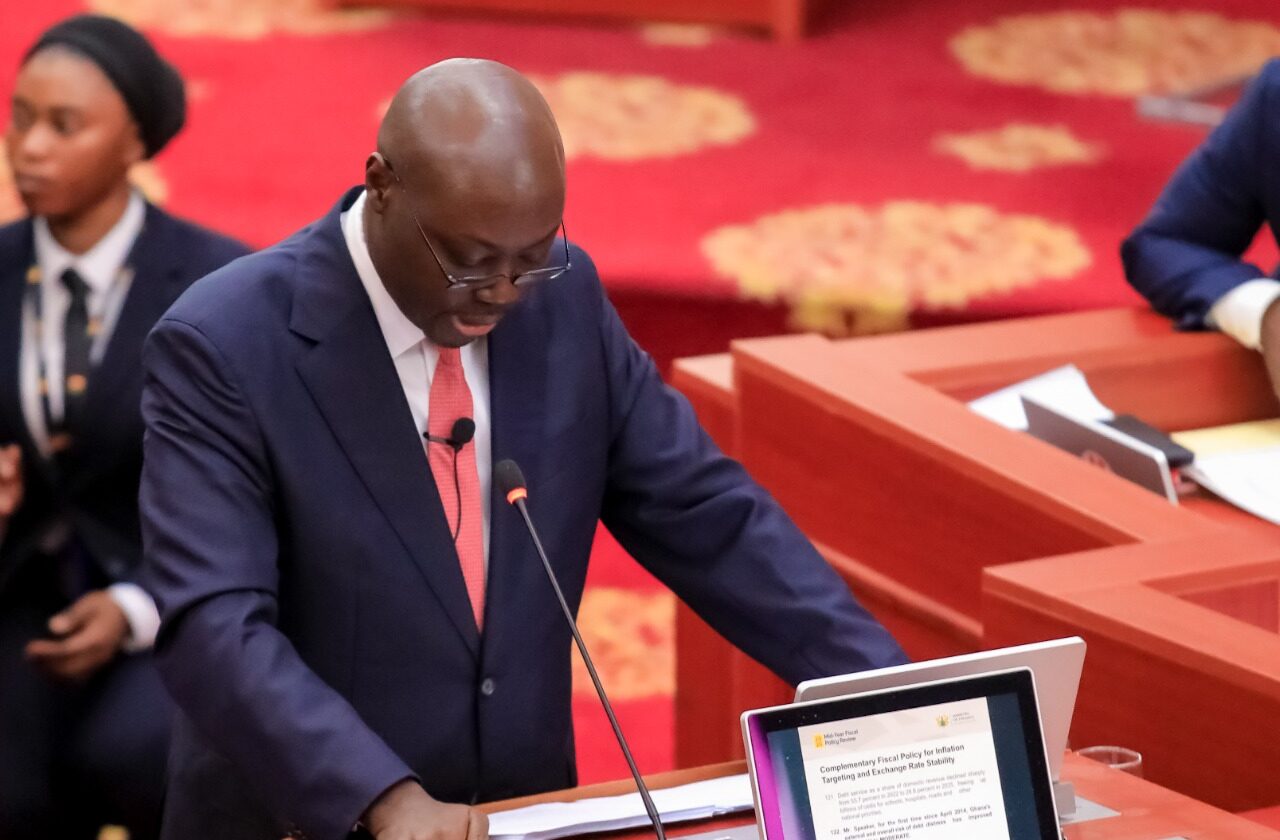
Presenting the 2027 Budget Statement to Parliament on Thursday, November 12, Dr Forson said the country recorded average real Gross Domestic Product (GDP) growth of 5.2 per cent between 1990 and 2025, demonstrating its capacity for economic expansion but masking significant volatility.
“We have grown, Mr Speaker, but we have not built enough resilience into that growth. Between 1990 and 2025, real GDP growth averaged 5.2 per cent. That record tells us that Ghana is capable of economic expansion, but it also conceals the volatility in that growth,” he said.
He explained that periods of rising commodity prices had boosted government revenue and national confidence, but downturns in commodity markets and weaknesses in fiscal discipline had often triggered economic instability.
According to him, such periods had placed pressure on the cedi, pushed inflation higher, increased interest rates and discouraged investment.
Dr Forson further attributed the economy’s vulnerability to its longstanding dependence on raw commodity exports, particularly gold, cocoa and, more recently, oil.
“Our long dependence on raw commodities deepened these volatilities, gold, cocoa and later oil dominated export while extractive industries accounted for about 16% of GDP growth over the last decade.”
He disclosed that extractive industries accounted for approximately 16 per cent of Ghana’s GDP growth over the past decade.
The Finance Minister stressed that economic growth must ultimately translate into improved living conditions for citizens, arguing that the quality of life of Ghanaians should be central to assessing the country’s economic progress.