
The Ghana Medical Association (GMA) says the Environmental Protection Agency’s intended ban on Styrofoam should be expanded to include all single use plastics to effectively tackle the growing threat of plastic pollution and protect public health.
Speaking at the Association’s 26th Public Lecture in Koforidua, GMA President, Professor Dr. Med Ernest Yorke, stressed that food packaging should never become a source of disease or contribute to poor public health outcomes.

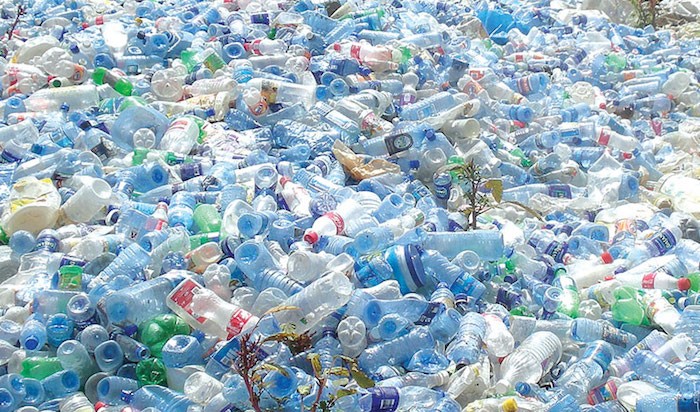
“Recent floods have also renewed an important national conversation on waste management, particularly the widespread use of Styrofoam food containers and other singleuse plastics. Discarded plastic waste contributes significantly to blocked drains and waterways. During heavy rainfall, these obstructed drainage systems reduce the efficient flow of stormwater and worsen flooding.”
Dr. Yorke further warned that harmful chemicals from plastics can contaminate food and pose serious health risks to consumers, reiterating that a comprehensive ban on single use plastics is necessary.

“The Government’s decision, through the Environmental Protection Agency, to phase out Styrofoam products, therefore, represents an important environmental and public health intervention.
“If implemented effectively, together with affordable and susta inable alternatives, improved waste collection, recycling, public education, and stronger enforcement of environmental regulations, it has the potential to reduce plastic pollution and contribute to cleaner urban environments.
“We believe that the ban must be expanded to include single use plastics in order to achieve a comprehensive solution. From the perspective of public health, this discussion extends beyond flooding,” he explained.
Professor Yorke added that food packaging should protect food from contamination without creating additional environmental hazards.
“Healthcare professionals support the adoption of packaging materials that are safe, environmentally sustainable, affordable and practical for both consumers and food vendors.Any transition should be carefully planned to minimise disruption to livelihoods while promoting innovation and sustainable local industries,” he added.
Beyond plastic pollution, other food safety concerns dominated discussions at the public lecture, which brought together experts and key stakeholders to promote safe food practices and strengthen collaboration across the food value chain.
The experts noted that food safety risks exist throughout the agricultural value chain from production to consumption and contribute significantly to the burden of food borne and non communicable diseases.
Immediate Past Director of Women in Agriculture at the Ministry of Agriculture, Paulina Addy, pointed out that illegal mining, the misuse of agrochemicals, and pesticide residues continue to threaten food safety and consumer health by contaminating soil, water and agricultural produce.
“Along the agricultural food value chain for food production, we have a big issue with mining and the effluent from mining sites. River bodies included. In the urban and peri-urban areas, we also see the use of grey and wastewater for farming, and it contains many chemical and microbial contaminants. There is also the abuse of agrochemicals.
“It is sad to visit farms and find different chemicals mixed together in drums, with some farmers even tasting the mixture to test its potency before application. Sadly, they have been doing this all the time.”
Paulina Addy added “Sudan dyes continue to be used to adulterate palm oil because the improved palm fruit varieties cultivated for industrial processing are not as naturally red as the traditional local varieties. Buy from the women with approved tags.”

Professor Angela Parry-Hanson Kunadu of the Department of Nutrition and Food Science at the University of Ghana said the incidence of food-borne diseases remains a major public health concern and called for stronger preventive measures and increased public education.
“The galamsey activities, teflon particles, lead and all sorts of heavy metals we are finding in our food are killing us.”
Deputy Chief Executive of the Food and Drugs Authority, Roderick Kwabena Daddey-Adjei, urged consumers to demand safe, quality food and purchase only from approved sources.
He assured the public that the Authority remains committed to ensuring that only safe food products reach the market.
“What is happening is not nice. Aflatoxin is serious. Consider its effects on stunted growth, the reproductive system, infertility and many other health conditions. We are guided by the Food and Drugs Authority Act to ensure that adequate standards are met.”
Participants called for stronger collaboration among government agencies, food producers, regulators and consumers to safeguard Ghana’s food supply and protect public health.

The public lecture was held on the theme: “Food Safety in Contemporary Ghana: Public Health Concerns.”
EPA boss urges plastic manufacturers to explore other alternatives due to imminent ban