
The Government has increased the daily feeding grant for learners in special schools from GH¢8 to GH¢15 per child, in what it describes as a major step toward improving the welfare of children with disabilities and strengthening inclusive education.
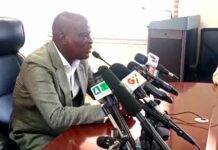
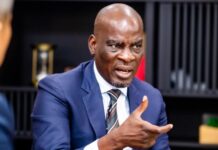
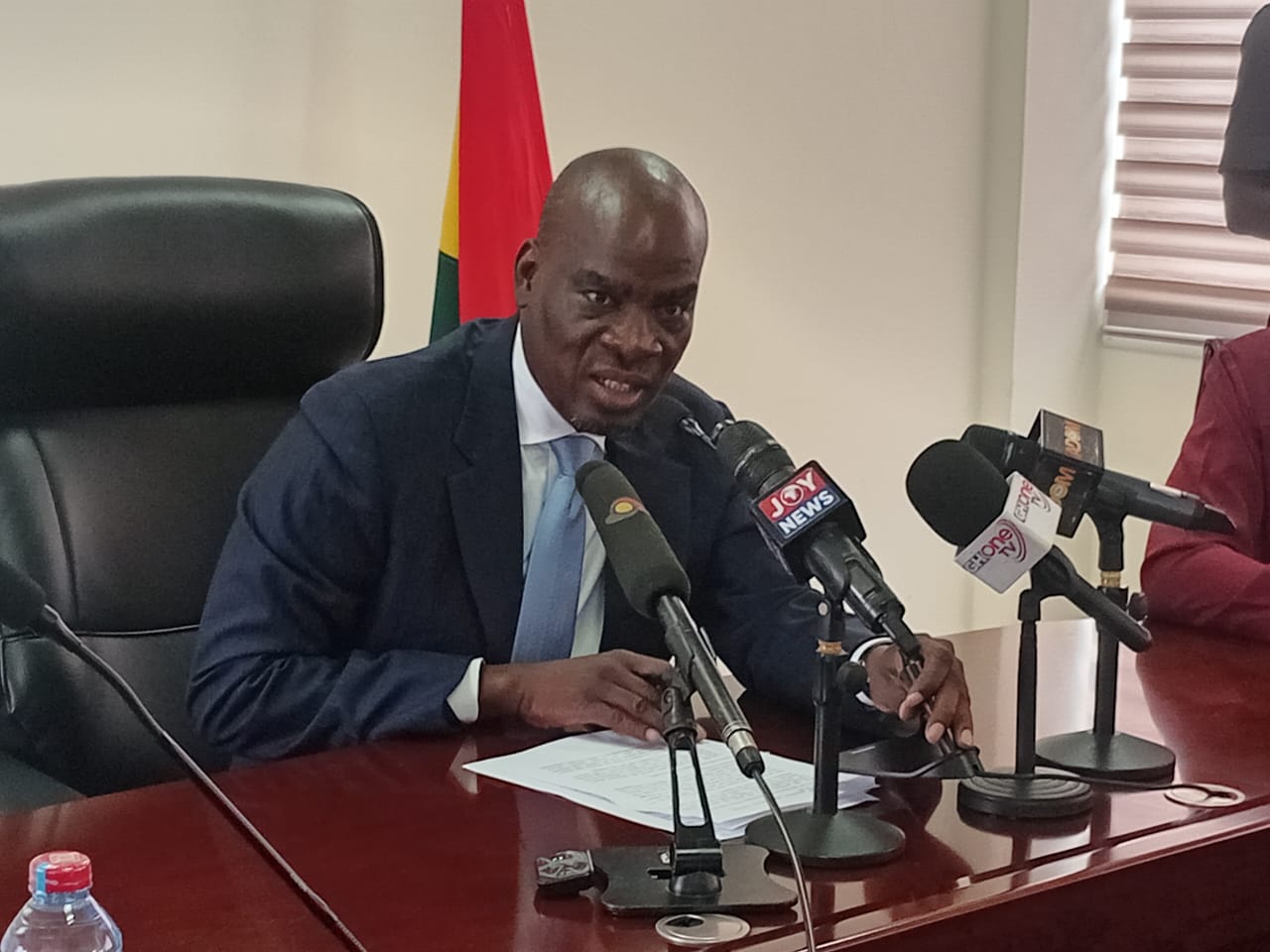
The announcement was made by the Minister for Education, Haruna Iddrisu, during a press briefing in Accra on July 2.
The Minister also revealed that government has earmarked GH¢100 million annually beginning in 2027 to support programmes and interventions for persons with special needs.
The increase in the feeding grant comes after years of concerns from education stakeholders, who argued that the previous allocation of GH¢8 per learner was inadequate to provide nutritious meals for students in special schools.
Announcing the intervention, Mr. Iddrisu said the revised allocation takes immediate effect.
“The feeding fee used to be eight cedis from around 2024. The government of President John Dramani Mahama has now further increased that to 15 cedis for all special needs schools across the country, and it is effective from today, July 2, 2026,” he stated.
According to the Minister, the increase demonstrates government’s commitment to improving the living conditions and educational outcomes of learners with disabilities.
Ghana currently has 39 special schools, more than 20 of which operate as boarding institutions, serving thousands of learners with diverse disabilities across the country.
Beyond the feeding grant, the Minister announced that government will establish a dedicated annual funding mechanism to strengthen support for persons with special needs.
“For the tenure of President Mahama, this GH¢100 million will be allocated every year beginning in 2027 to allow for effective implementation and to reach out to persons with special needs,” Mr. Iddrisu said.
He explained that the funding will support interventions aimed at improving access to education and enhancing the quality of services available to learners with disabilities.
In a related announcement, Mr. Iddrisu disclosed that government has also made available GH¢40 million for the procurement of assistive learning materials to improve teaching and learning in special schools.
The assistive devices are expected to enhance classroom instruction and create a more inclusive learning environment for students with visual, hearing, physical, and other educational needs.
The Education Minister also called on the Students Loan Trust Fund (SLTF) to extend its loan scheme to medical students who are willing to access financial support, noting that the move would help reduce the financial burden on students pursuing medical education.
The latest measures form part of government’s broader agenda to promote inclusive education and ensure that learners with disabilities receive the resources and support needed to thrive.
Education stakeholders are expected to welcome the interventions, particularly the increase in the feeding grant, which has long been a key concern for administrators of special schools and advocates for persons with disabilities.
By Daniel Opoku