
A Presidential committee set to probe some last minute appointments by the Akufo-Addo administration after the December 7, 2024, general elections has recommended the revocation of 541 public sector recruitments, appointment and promotions which the government has effected.
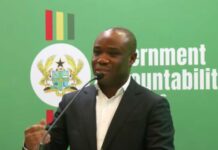
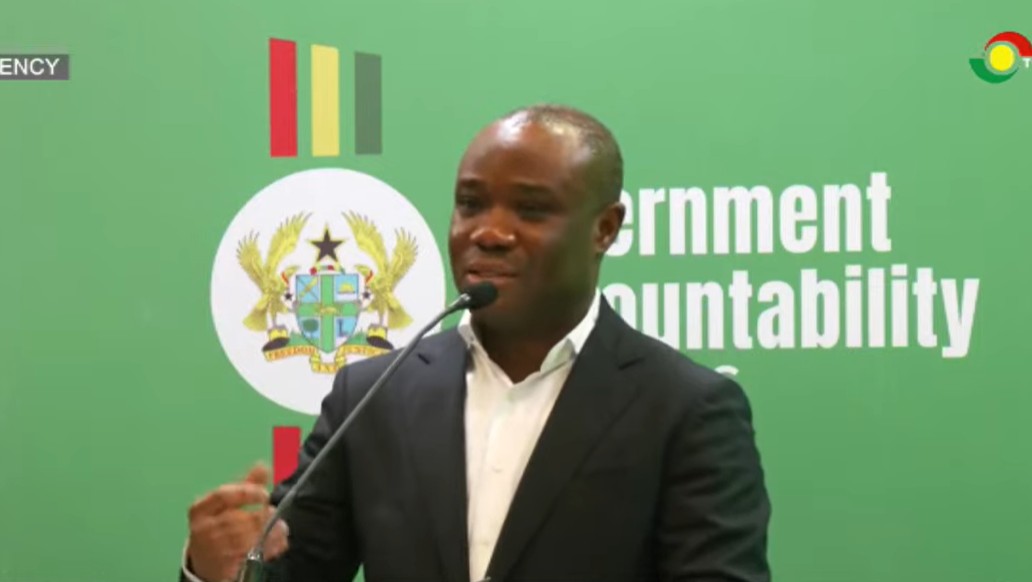
Felix Kwakye Ofosu, the Presidential Spokesperson, announced the committee’s findings at a press briefing on Tuesday, March 3, 2026, where he described the exercise as a one influenced by due process rather than a politically motivated purge.
The exercise follows a series of appointments made by the Akufo-Addo administration during the lame-duck period when it lost the election and the transition period before handing over on January 7, 2025.
According to the Mahama administration, it wrote to the Akufo-Addo government requesting a joint review of appointments being made during the transition period which it says was ignored.
Mahama’s Chief of Staff, Julius Debrah, issued a sweeping directive after its government took over, directing all institutions to revoke appointments made after the December 7, 2024 elections.
There were complaints that the directive might end up terminating appointments of persons who had been legitimately employed. For that reason, the government set up a committee to specifically probe which of the appointments followed due process and those that violated laid-down procedures.
Thirty six (36) institutions appeared before the committee, of which 28 had commenced their recruitment processes before the December 7 elections.
Thirteen institutions revoked appointments on their own in response to the Chief of Staff’s directive, while 17 others did not immediately comply but sought guidance from the Office of the President instead.
Over 2,000 recruitments, appointments and promotions were reviewed in total, of which 879 had already been revoked by institutions themselves following the earlier directive.
The remaining 1,201 were left unrevoked pending the committee’s recommendations.
Following its review, the committee recommended that 1,539 of the 2,080 cases be upheld for complying with the established procedures where letters had been issued before December 7, 2024, meeting the compliance pass mark of 80 per cent or above.
Kwakye Ofosu says the remaining 541 that were recommended for revocation was based on two counts; the recruitment processes concluded after December 7, and they did not meet the required compliance standards.
The revoked 541 appointments were fewer than the 879 that were cancelled by the institutions themselves following the Chief of Staff’s order.
Kwakye Ofosu says the difference between the numbers was deliberate, explaining that special consideration was extended to vulnerable groups, particularly persons with disabilities with the Ghana Education Service.
“There were some of our compatriots who suffered some disability. But we found that their recruitment should be revoked because it did not comply with the laid-down process. But because of their peculiar situation and the hardship that could be imposed upon them if we were to enforce this directive, they were given some clemency,” he said.
They have since been regularised into the public service.
The Presidential Spokesperson criticised the previous government for making those appointments without meeting the basic requirements, justifying the pruning exercise to revoke those that didn’t follow due process.
“The previous government was fully aware that basic requirements were not met in those cases and still went ahead to sanction them,” he said, adding that the exercise was carried out “without malice or ill-feeling towards anyone” and was “a necessary step to uphold the rule of law and ensure accountability.”