
Public health specialist Dr Frank Duodo has warned that people living with chronic illnesses are particularly vulnerable to the effects of rising temperatures and must take extra precautions as intense heat continues to affect parts of the country.
In an interview on the health implications of the prevailing hot weather, Dr Duodo cautioned that prolonged exposure to excessive heat could worsen existing medical conditions and increase the risk of heat-related illnesses.
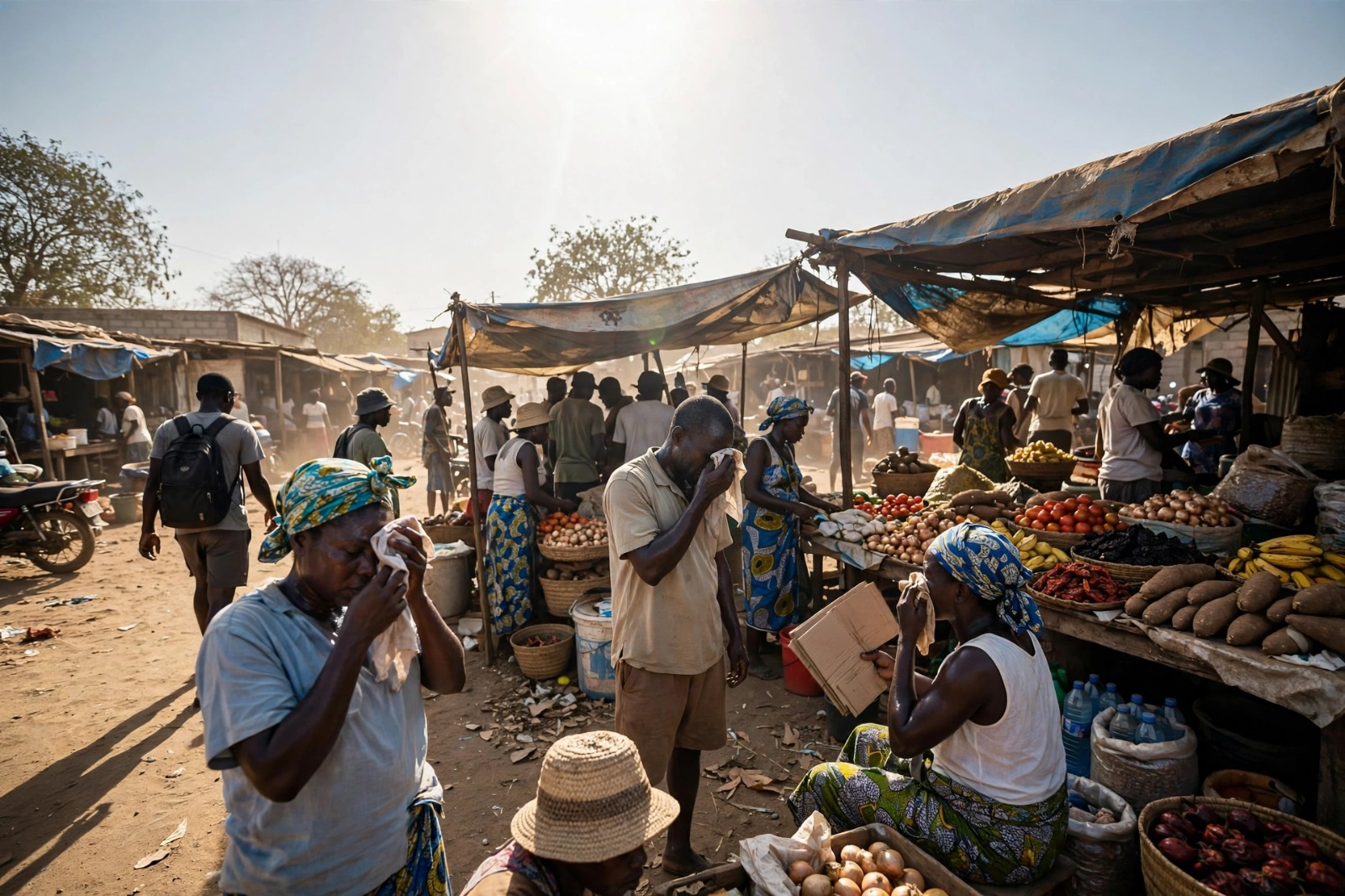
The warning comes as many Ghanaians struggle to cope with increasingly uncomfortable weather, with traders, commuters and outdoor workers bearing the brunt of the scorching sun.
From traders spending long hours in the open to commuters searching for shade on their way to work, the rising temperatures are turning everyday activities into an exhausting experience.
For people whose livelihoods depend on working outdoors, escaping the heat is hardly an option. Beyond the discomfort, however, prolonged exposure to excessive heat can lead to dehydration, heat exhaustion and other serious health complications, particularly among children, older people and individuals with underlying health conditions.
Dr Duodo says staying in cool environments and ensuring adequate hydration are among the key measures people can adopt to protect themselves.
“For people who have chronic illness, the heat has the tendency to exacerbate the situation for them. We also have to do our best to stay in a well-hydrated or humid environment. So, as much as possible, we have to be under shelter. We have to make sure that wherever we are, the room is also not too hot. When we sleep, we have to be in air-conditioned rooms. We have to make sure that even if we are using the fan, the fan is blowing humid and a bit cold air. The danger with using the fan in a heated environment is potentially even worsening the situation because then you will be circulating hot air back onto your body or your skin,” he said.
He advised Ghanaians to wear light, breathable clothing and pay attention to their hydration levels, particularly during periods of intense heat.
Dr Duodo also recommended monitoring urine colour as a possible indicator of dehydration, while emphasising the need for adequate fluid intake.
“It is estimated that we should drink about four litres of water in a day. In the situation we are currently in, we tend to be losing a lot more through sweat and even breathing. So, the minimum amount of water that anybody should be drinking in such a condition would be five litres in a day. That is for adults. But if for nothing at all you are unable to do that, just monitor the colour of your urine; it will give you an indication that you are getting dehydrated,” he said.
Beyond the health concerns, attention is also turning to the weather patterns contributing to the persistent heat.
Retired weather forecaster Muller Tsatsu Siameh attributes the conditions partly to reduced rainfall and the influence of El Niño, which can contribute to hotter and drier weather.
He explains that the limited presence of rain-bearing clouds allows more direct sunshine to reach the earth’s surface, intensifying the heat experienced in parts of the country.
“We are not getting much rainfall at the southern part of the country, the coast and the middle belt. This year, for instance. And because of that, the heat comes to us directly. If there were to be clouds, which bring the rain, they would just block the heat a little bit. And we would not be getting that much heat on the surface of the earth. And this problem is brought about by what we call El Niño.
It starts from the Pacific Ocean and gradually, it creeps and has something like teleconnection all over the globe. This year, it started around June, getting to July. After this week, it is not likely that we will be getting rains over the southern sector and the northern sector too. So the country will start becoming dry. And with many looking ahead to the Harmattan season,” he said.
With the country gradually moving into the dry season, the approaching Harmattan is expected to bring another period of dry weather.
Another retired weather forecaster, David Perry Osika, expects the season to begin around the middle of November and continue through February, although its duration may vary.
“We expect the Harmattan to start just about next two weeks, that is in November, then through to February ending. But there have been some cases where we have the Harmattan in early April or May. But normally, it is supposed to start in November and end in February,” he said.
The anticipated dry conditions could also have implications for agriculture, particularly for farmers who depend heavily on rainfall to sustain crop production.
As soil moisture declines, farmers may have to rely more on irrigation and carefully select crops that can thrive under dry-season conditions.
Siameh is urging farmers to plan ahead before planting, recommending vegetables such as cabbage, carrots, sweet pepper, hot pepper and garden eggs for cultivation under irrigation. He also cautions farmers about the timing of tomato production during the dry season.
“In this heating system that has started coming, there wouldn’t be any water in the soil for farmers to depend on. No rain, so farmers cannot grow their crops unless they resort to irrigation. If you want to go into this dry season irrigation, then something like cabbage, carrots, sweet pepper, hot pepper, garden eggs, these crops are good. And tomatoes, if you do tomatoes from now to the middle of January, it is okay. After January, after the middle of January, there is a problem. It is a problem for tomatoes,” he said.
Experts are urging Ghanaians to stay hydrated, seek shade, wear light clothing and limit strenuous outdoor activities during the hottest periods of the day.
By Beatrice Sowah