
Ghana has recorded a steady decline in multidimensional poverty, with more than one million people moving out of deprivation in health, education and living conditions within a year, according to new official data.
Figures released by the Ghana Statistical Service (GSS) show the number of people classified as multidimensionally poor fell from 8.2 million in early 2024 to about seven million by the third quarter of 2025. Improved employment outcomes were identified as a key factor behind the reduction.
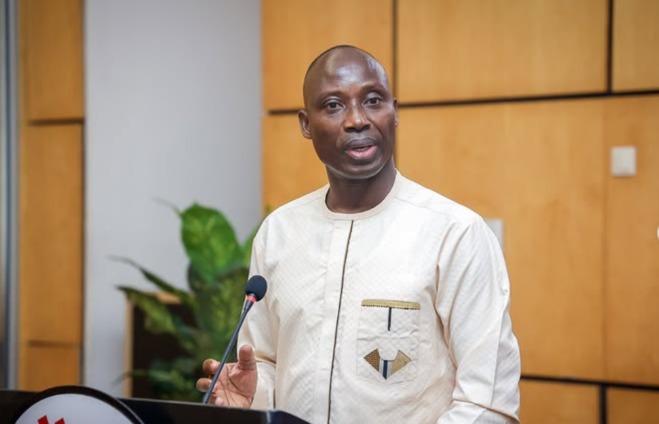
Speaking at a press briefing in Accra, the Government Statistician, Dr Alhassan Idrisu, said unemployment remained a major risk factor, despite the overall progress.
“Households headed by the unemployed recorded the highest poverty levels, reaching 35.6% in the third quarter of 2025, up from 31.9% in the previous quarter,” he said.
Dr Idrisu noted that poverty rates were also high among people working in the private informal sector, which employs a significant proportion of Ghanaians.
Emphasizing that, “If you compare this to those in the private informal sector, they also recorded very high poverty rates, but at lower levels, around 22%,”
Meanwhile, multidimensional poverty measures deprivation beyond income, taking into account access to healthcare, education, housing, sanitation and basic living standards. Ghana adopted the approach in recent years to provide a broader picture of poverty levels across the country.
Ghana’s economy has faced multiple challenges in recent years, including high inflation, currency depreciation and public debt pressures, prompting an International Monetary Fund-supported programme aimed at stabilising growth.
While the latest figures suggest gradual improvement in living conditions, analysts say sustained job creation particularly in secure and productive sectors will be crucial to maintaining the downward trend in poverty.