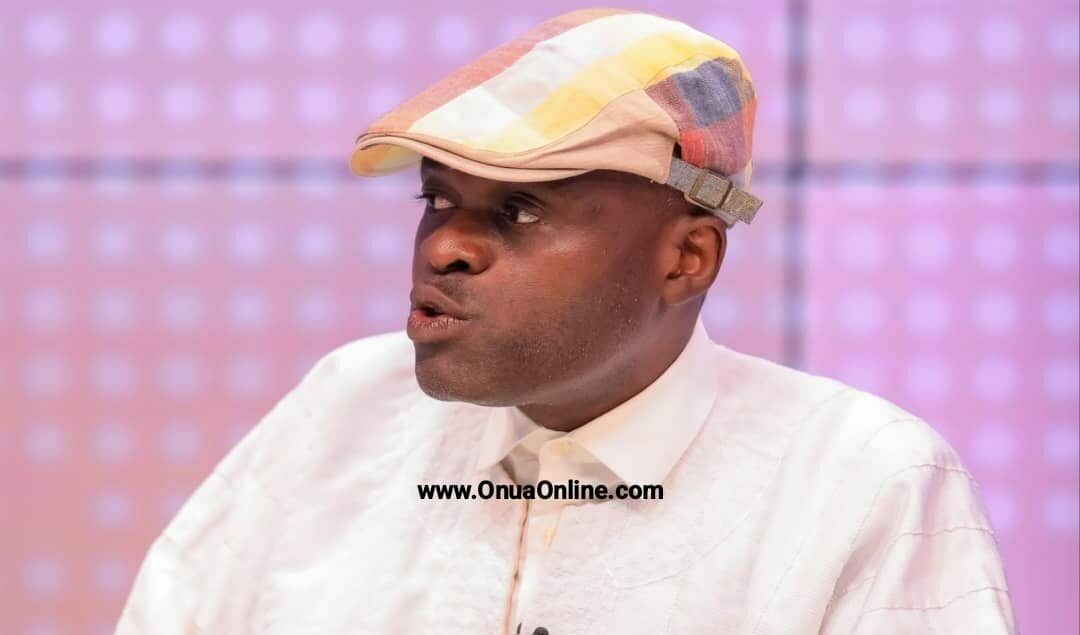

Private legal practitioner Martin Kpebu has called on Ghanaians to move beyond complaints and become more directly involved in shaping the country’s economic future.
Speaking on the Keypoints with Alfred Ocansey, he argued that overreliance on experts and government officials has allowed Ghana’s long-standing economic challenges to persist, especially the lack of diversification beyond traditional exports like gold and cocoa.
Mr. Kpebu said that discussions about diversifying the economy have been ongoing for decades, yet little has changed in practice.
“For over 35 years, we’ve been teaching this: from secondary school to university that our overreliance on gold and cocoa is the problem. But we keep repeating the same thing,” he said. “We have not diversified the economy because citizens don’t engage enough,” he said on December 27.
According to him, diversification is not just a matter of policy but of public pressure.
He emphasized that governments respond when citizens become vocal and hold them accountable.
“When you decide to engage, when you decide to step in, government will act. But when you sit aloof and say politics is for criminals, it won’t work,” he warned.
To illustrate his point, he referenced the public outrage that followed the illegal mining (galamsey) crisis, saying citizen pressure was what pushed government to take stronger stands against mining in forest reserves.
“When citizens decided to speak up and engage, you saw how quickly President Mahama declared there would be no more mining in forests,” he noted.
“That shows the power of engagement.”
Mr. Kpebu criticized the tendency of citizens to leave economic debates to academics and politicians, stressing that everyone who manages a home understands basic economics and can make meaningful contributions.
“Don’t say professors should speak for us. Once you manage your home, you know what it means when the cost of living is high. You don’t need to have read economics to say something about the economy,” he said.
Quoting Article 36 of Ghana’s Constitution, he reminded Ghanaians that it is their right to demand that the national economy be managed in a way that ensures the welfare and happiness of all citizens.
“If the cost of living crisis is killing you, you have the right to speak,” he stressed.
“Government must manage the economy so that every Ghanaian can afford food, housing, and a decent life.”
Mr. Kpebu urged citizens to use all available means, including social media, public advocacy, and peaceful demonstrations to make their voices heard.
He cautioned that silence only emboldens policymakers to ignore pressing economic issues.
“The one who shouts the loudest gets attention. If you don’t speak, your problems will remain ignored,” he said.
By Christabel Success Treve