
On this year’s International Day for Disaster Risk Reduction (IDDRR), observed under the global theme ‘Fund Resilience, Not Disasters’, ActionAid Ghana is demanding urgent and sustained investment in climate adaptation to protect Ghana’s vulnerable coastal communities from the worsening impacts of climate change.
From Ada to Anloga, communities along Ghana’s 550-kilometre coastline are bearing the brunt of rising sea levels, tidal waves, and flooding.
These disasters are not distant threats, they are destroying homes, livelihoods, and ecosystems today. For thousands of families, every high tide now comes with fear.
Climate Disasters Are Escalating
According to the National Disaster Management Organisation (NADMO), thousands of people in Ghana’s coastal zones have been displaced in the past decade.
Local economies built on fishing, farming, and petty trading are collapsing under the strain of repeated climate shocks. Yet, adaptation efforts remain underfunded and fragmented.
ActionAid Ghana warns that without urgent intervention, climate disasters will deepen existing inequalities and reverse decades of development gains.
The organisation is therefore calling on government, private sector, and international partners to increase financing for climate adaptation and ensure resources reach the communities most at risk.
ActionAid Ghana Leads the Charge for Climate Adaptation
As part of its commitment to climate justice, ActionAid Ghana is implementing a regional initiative titled ‘Improving Resilience of Coastal Communities in Côte d’Ivoire and Ghana’.
This project, funded by the Adaptation Fund and coordinated by UN-Habitat, brings together a strong consortium, including the University of Twente, Habitat for Humanity International, and the Abidjan Convention, with the governments of Ghana and Côte d’Ivoire playing key roles.
Under this initiative, ActionAid Ghana is spearheading Component 2, focusing on strengthening the adaptive capacity of vulnerable coastal populations through three core areas of impact:
1. Establishing Early Warning Systems (EWS)
ActionAid Ghana is collaborating with national and local institutions to operationalise community-based early warning systems that save lives. By combining traditional knowledge and modern technology, these systems ensure timely information reaches even the most remote households, empowering communities to act before disaster strikes.
2. Promoting Nature-Based Solutions (NbS)
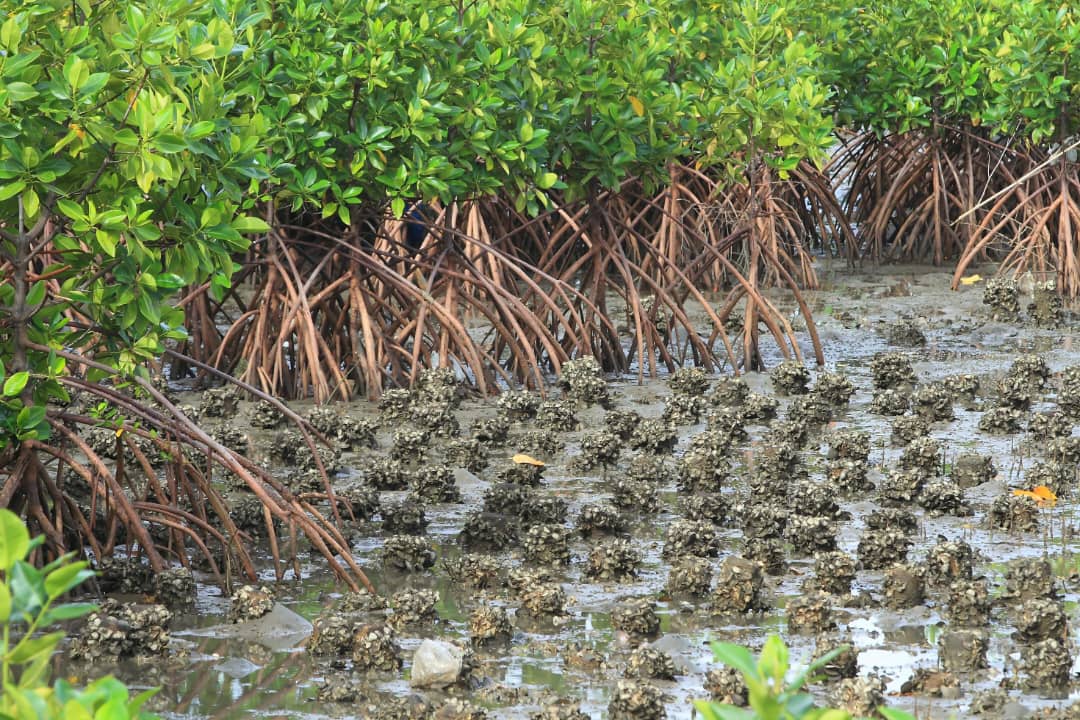
ActionAid Ghana is restoring nature’s frontline defences, mangroves, wetlands, and coastal vegetation, to combat erosion and flooding. These ecosystems not only shield communities from disasters but also revitalise biodiversity, sustain fisheries, and store carbon, driving Ghana’s broader environmental goals.
3. Supporting Adaptive Livelihoods
Communities cannot be resilient without economic security. ActionAid Ghana is equipping women, youth, and farmers with climate-resilient livelihoods such as sustainable agriculture, alternative income ventures, and women-led enterprises. These initiatives help break the cycle of poverty that makes disasters more devastating.
Bridging Ghana’s Adaptation Gap
While Ghana has made progress through frameworks like the National Adaptation Plan (NAP) and Nationally Determined Contributions (NDCs), implementation remains slow, and financing is inadequate.
ActionAid Ghana is therefore demanding:
Increased national financing for locally driven adaptation solutions;
Stronger inter-ministerial coordination to implement the NAP effectively;
Integration of climate adaptation into local development plans and budgets; and
Transparent use of climate funds to ensure communities benefit directly.
The organisation also underscores the importance of public awareness and education in building long-term resilience. Through schools, women’s groups, and youth networks, ActionAid Ghana is nurturing a new generation of climate leaders who can demand accountability and drive community-led adaptation.
A Call for Climate Justice Now
As the world reflects on this year’s IDDRR theme, ActionAid Ghana reiterates that the time for promises is over. What Ghana’s coastal communities need is action, sustained investment, inclusive planning, and protection of those on the frontlines of the climate crisis.