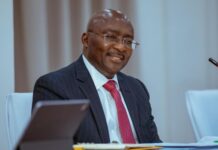
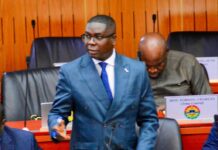
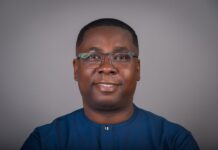
The Member of Parliament for Tano North and Deputy Ranking Member on Parliament’s Finance Committee, Dr Gideon Boako, has questioned the quality of Ghana’s economic recovery, arguing that improvements in key macroeconomic indicators have yet to translate into better living conditions for many Ghanaians.
Dr Boako says although Government statistics show declining inflation and improved fiscal performance, households continue to grapple with high food prices, rising fuel and transport costs, unemployment and difficult economic conditions.
He has argued that economic growth should be assessed not only by headline figures but also by whether citizens are finding jobs, businesses are expanding and communities are receiving essential infrastructure and services.
In an August Economic Digest issued by the MP, he averred the disconnect between official economic indicators and the experiences of average Ghanaians raises questions about the quality of the recovery being reported by Government.
According to him, lower inflation or a positive primary balance cannot by themselves demonstrate economic progress if young graduates remain unemployed, contractors are not paid and communities continue to wait for critical development projects.
“Economic growth should not only be measured in percentages. It should be measured by the number of young people finding decent jobs, the number of roads completed, the number of nurses who have received financial clearance to be recruited, the number of factories expanding production, the number of communities gaining access to quality healthcare, the number of teachers employed, and whether households can confidently plan for tomorrow,” he explained.
Dr Boako said the ultimate measure of the economy should be whether citizens experience tangible improvements in their daily lives, warning that macroeconomic stability must serve as a foundation for broader economic transformation rather than become an end in itself.
“Ultimately, citizens do not vote for economic statistics. They vote for better lives,” he said.