
The Ghana Medical Trust Fund Secretariat, popularly known as MahamaCares, has begun a nationwide needs assessment to directly identify the pressing needs in the various health facilities.
The fact-finding tour is also to assess the shortage of specialists and foster a collaboration that ensures help goes exactly where it’s needed most, particularly for patients battling chronic illnesses like cancer, diabetes, and kidney failure.
The mission began at the Komfo Anokye Teaching Hospital in Kumasi where the team gathered data on non-communicable disease patients and the current state of medical tools in the facility.

At the oncology department, it was revealed that while cancer cases continue to soar, the cost of chemotherapy drugs is prohibitive for many. More worrying is the limited resources.
“The patient load continues to grow. We are often managing with limited resources, which affects the pace and sometimes the outcome of treatment,” a clinical oncologist, Dr Daniel Sam noted.
He also raised concern about the need to procure an additional radiotherapy machine to serve as a backup to the one the hospital currently has.

An oncologist at the pediatric unit, Dr Yvonne Addo also indicated that “for our children, the story is even more heartbreaking. When a family is faced with a cancer diagnosis, the financial burden alone can be crushing. We need sustainable support systems, not just for medication, but for the holistic care these young fighters require.”
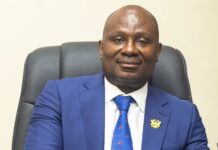
The team, led by the Administrator of the Fund, Adwoa Obuobia Darko-Opoku also visited the Kumasi South Hospital at Agogo where the story of congestion and lack of space is starkly evident.

The Medical Director painted a vivid picture of a facility stretched beyond its limits.
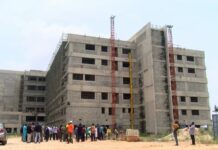
“Our biggest challenge is space. We are operating at maximum capacity every single day. We have a lot of specialists who do not have space to work. The urgent operationalization of the Sewua Hospital is a necessity. It would significantly decongest this facility and allow us to provide better care in a more manageable environment,” Dr Bashiru Abdul Majeed emphasized.

Obuobia Darko said the Fund cannot start its work without doing a needs assessment.
“We are here to just listen and to act. The data we gather will inform a sustainable model where the Fund absorbs a significant portion of the cost for life-saving treatments. But beyond patient support, we must also retool the facilities to deliver an enhanced care to patients. Part of our intervention will be to assist these hospitals with the critical equipment they need to accurately diagnose and effectively treat non-communicable diseases,” she stated.
With the needs now being documented directly from the front lines, the success of the MahamaCares Fund will be watched closely by many Ghanaians hoping for relief from the high cost of chronic disease care.