
The National Association of Local Authorities of Ghana (NALAG) is pushing for far-reaching reforms to Ghana’s local governance system, including the direct election of Metropolitan, Municipal and District Chief Executives (MMDCEs), as part of efforts to deepen decentralisation, strengthen accountability and give citizens a greater stake in local administration.
The proposed reforms, submitted to the Constitutional Review Committee, also seek to redesignate MMDCEs as Mayors, extend the tenure of Presiding Members to four years, introduce their election by simple majority and charge the emoluments of Presiding Members and Assembly Members to the Consolidated Fund.
The proposals reflect NALAG’s position that effective decentralisation must go beyond the transfer of administrative responsibilities to local authorities and guarantee stronger democratic participation, institutional continuity and the resources necessary for local institutions to deliver.
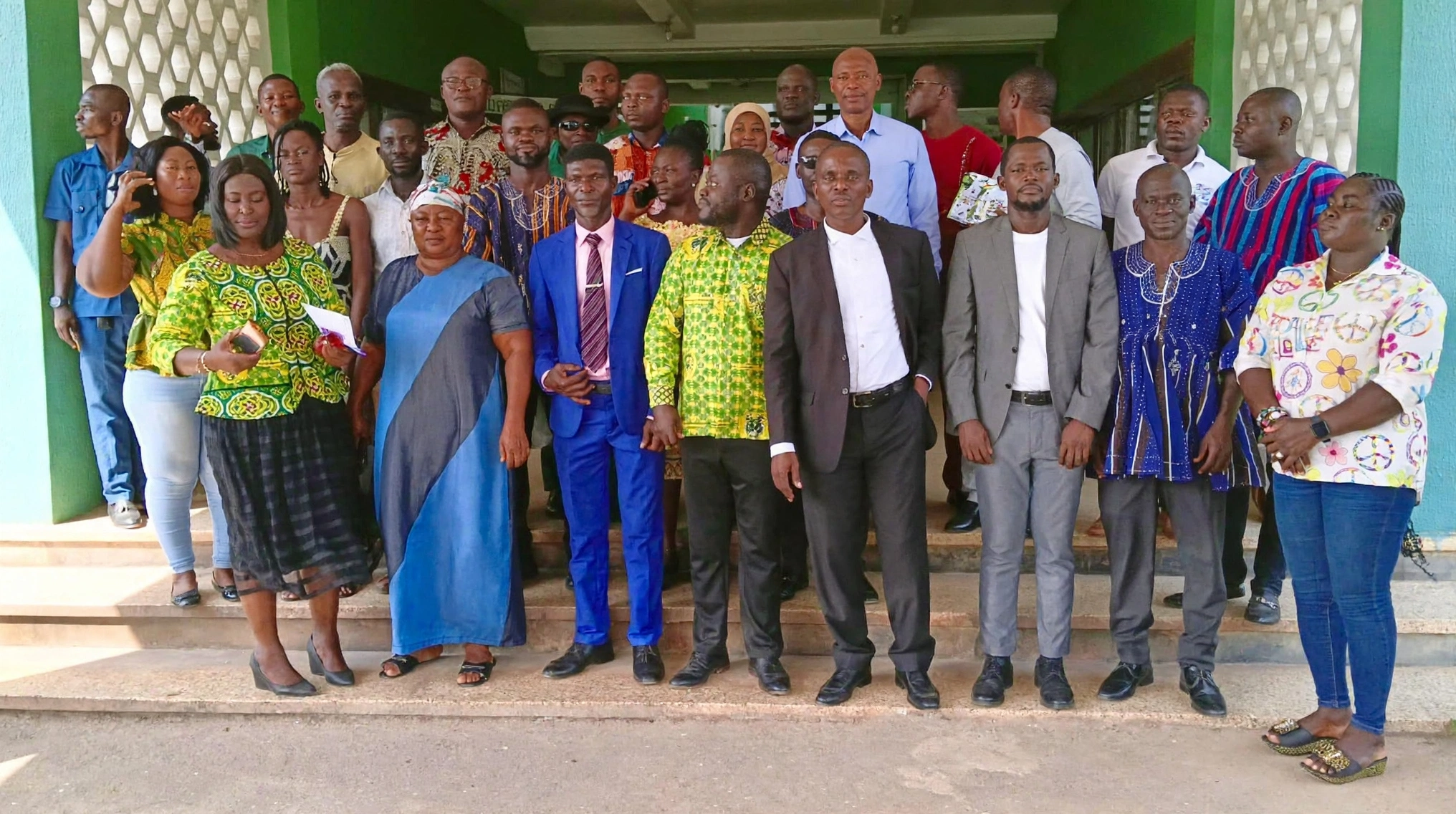
The President of NALAG, Mr Alfred Asiedu Adjei, whose address was read by the Association’s Western Regional Representative, Mr Percy Ahenakwah, outlined the proposals at the 2026 Regional Delegates Conference in the Western Region, held under the theme, “Local Actions for National Impact.”
“These reforms are intended to strengthen local governance and ensure that the concerns of local authorities are adequately reflected in the ongoing national constitutional review process.”
He reaffirmed the Association’s commitment to engaging government and other stakeholders, stressing that “the effectiveness of local authorities had direct implications for sanitation, public health, local economic development and citizen participation in governance.”
On the welfare of Assembly Members, Mr Adjei disclosed that NALAG’s National Executive Council had engaged government and other relevant stakeholders to secure the payment of outstanding allowances.
He announced that arrears for the second and third quarters had recently been settled, expressing appreciation to the Ministers of Finance and Local Government, Chieftaincy and Religious Affairs for their intervention.
“Beyond constitutional reforms, the Association is also pursuing institutional strengthening and practical community development interventions.”
Through the Partnership for Municipal Innovation – Women in Local Leadership (PMI-WILL), implemented in collaboration with the Federation of Canadian Municipalities (FCM), NALAG has supported the development of a Five-Year Strategic Plan and key institutional policies covering human resource management, procurement, finance, operations, advocacy, gender and communications.
The Association has also distributed 320,000 exercise books to pupils across the country’s 261 Metropolitan, Municipal and District Assemblies.
Other development interventions under the PMI-WILL initiative include the construction of a maternity block and laboratory at Nyamoase in the Atebubu-Amantin Municipality, a Kindergarten block at Asuboni Rails in the Kwahu West Municipality, a neonatal block at Tema Manhean Clinic and the renovation of the CHPS compound at Lifur in the Saboba District.
Mr Adjei said the “interventions demonstrated NALAG’s commitment to complementing local development efforts through targeted investments in education, healthcare and community wellbeing.”
He urged delegates to use the regional conferences to strengthen the Association’s democratic structures, address members’ concerns and develop practical responses to the challenges confronting local government administration.
He maintained that national development would be more “meaningful and sustainable when local institutions were effective, local leaders were accountable and communities experienced tangible improvements in their living conditions.”
Meanwhile, Mr Stephen Angu Kuma was elected unopposed to represent the Western Region at the Association’s national level, ahead of the national elections scheduled for February 2027.
By Eric Yaw Adjei