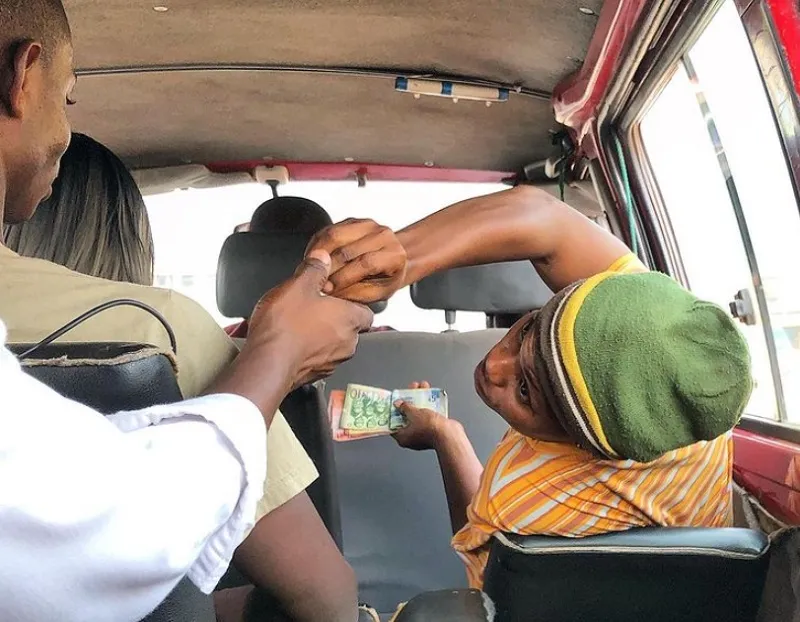

The Chief Executive Officer (CEO) of the National Petroleum Authority (NPA), Godwin Edudzi Tameklo, has expressed his disagreement with the transport unions to increase fares following the recent hike in fuel prices.
He says the threat by the Ghana Private Road Transport Union (GPRTU), is unjustified given the significant interventions government has made to stabilise the economy and cushion consumers.
The GPRTU has hinted at a possible increase in transport fares in the coming days, citing rising fuel prices. This is despite the Government’s decision to extend its GH₵2 subsidy on fuel to September 2026 to mitigate the impact.
Speaking on the BigIssue segment on the NewDay morning show on TV3, Wednesday, September 2, 2026, Mr Tameklo described the move by the unions as a threat and an attempt to hold the entire country to ransom.
“I have seen threats by the Ghana Private Road Transport Union (GPRTU) of potential increases in fares. I call them threats because there comes a time where some group of people, with respect, may feel that they can hold the entire country to ransom.”
He questioned why the unions refused to reduce fares when fuel prices dropped significantly in the past, arguing that the sharing of burden must be mutual.
“If you have a situation where government has demonstrated many times…Government of Ghana could be keeping this GH₵2 on it for developmental projects. But Government of Ghana is making things easier. We expect a certain level of the sharing of burden between us and them,” he stated.
The NPA boss, again, expressed disappointment over how these transport unions failed to reduced transport fares when fuel prices went low.
“There was a time in this country that fuel went as low as 10 cedis per litre. When we asked the GPRTU to reduce the lorry fares, they said no.”
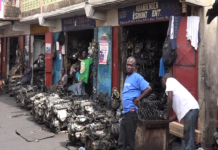
Mr Tameklo further explained that the transport operators’ argument about the high cost of spare parts no longer holds because government has stabilised the cedi, which has reduced the cost of importation.
He recalled that in the past, spare parts dealers needed huge sums of cedis to import goods due to the high exchange rate, but the situation has improved drastically.
“We didn’t say anything. At that time they were saying [spare] parts but the parts are not produced in Ghana. They are imported. The cedi had effectively appreciated. Who is benefiting?
“In the past, there was a time the cedi traded at GH₵17.20p to the dollar. If you’re at Abossey Okai and you needed to go and bring $10,000 worth of spare parts into this country, you needed GH₵170,000. Today, through prudent management of the Ghana cedi, you need at least GH₵12 cedis even on the black market. For interbanks, it is about 10.97,” he stated.
He appealed to the leadership of the GPRTU, including its General Secretary, to reconsider their decision, warning that such actions have national security implications if they are allowed to persist.
Public transport must not be left in hands of private individuals – NPA Boss