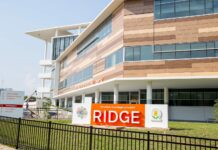

The Greater Accra Regional Hospital (Ridge Hospital) does not have therapy for autistic patients because the required professionals have not been deployed.
As a result, parents are paying significant amounts per session for therapy in multiple times a week at private hospitals.
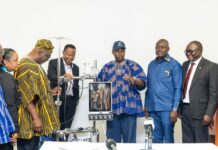
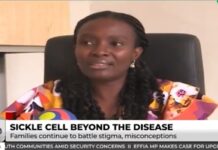
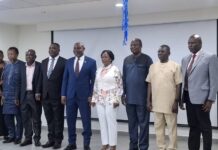
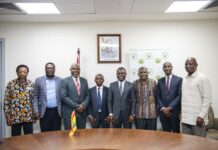
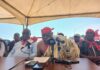
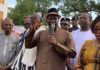
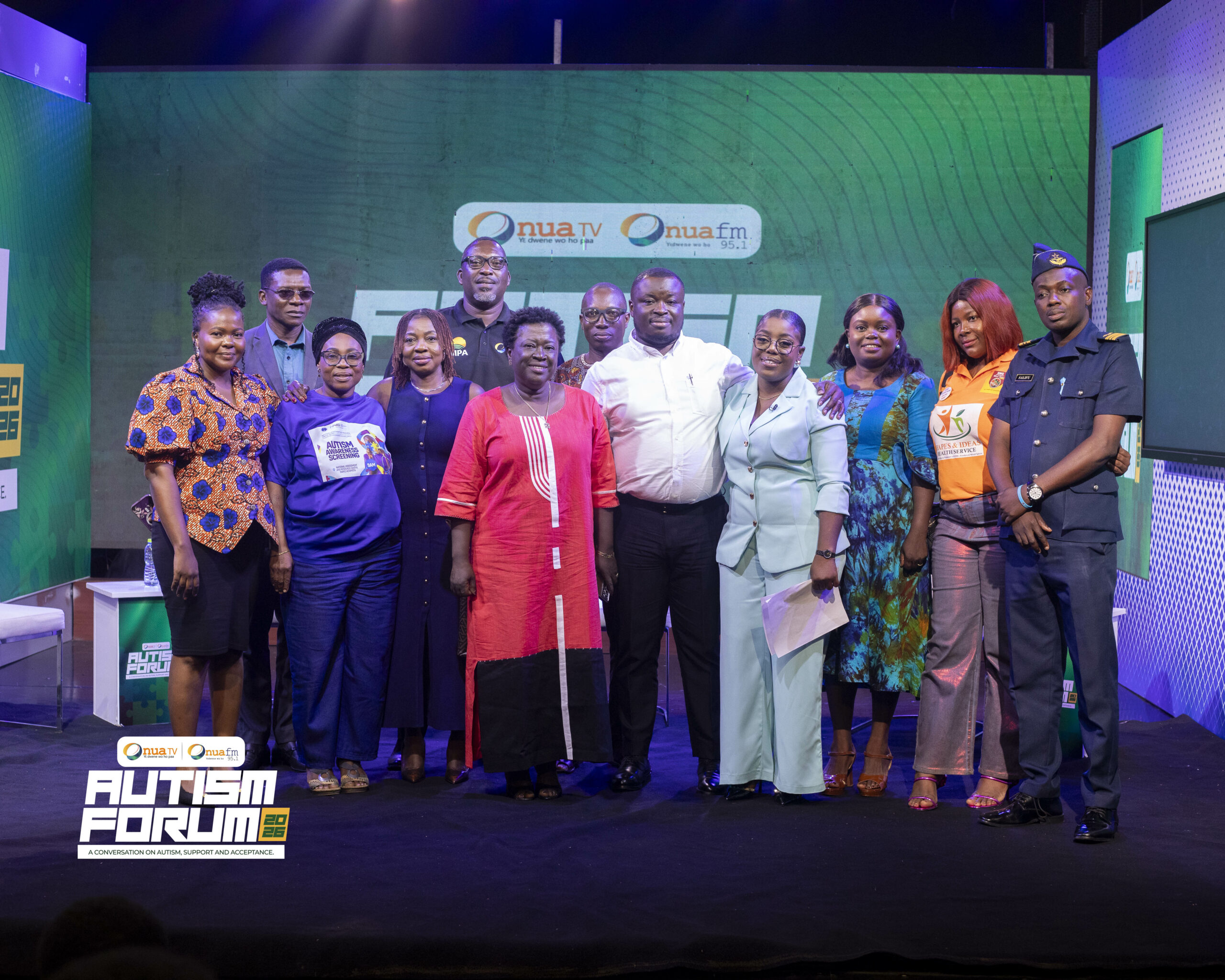
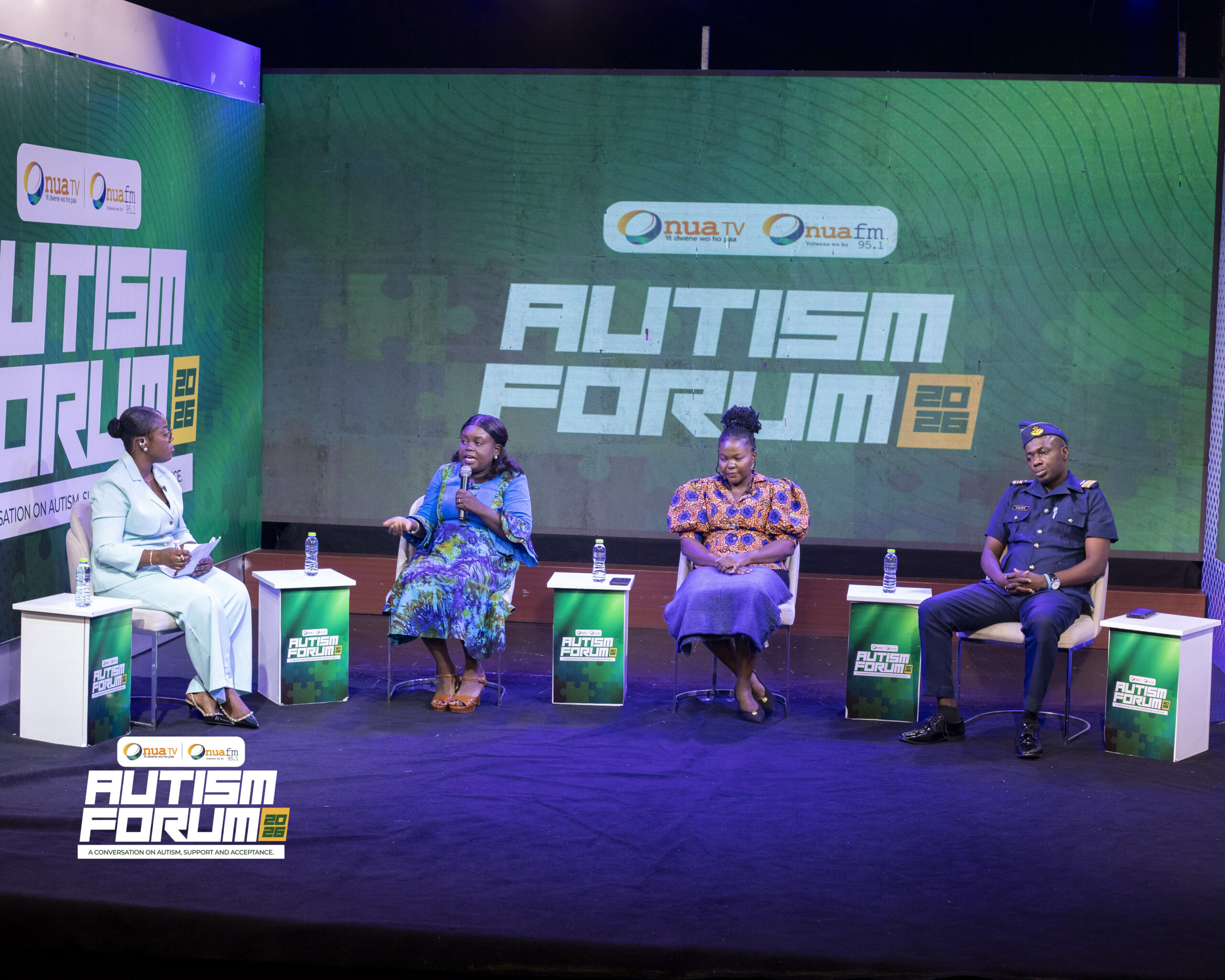
The Head of the Paediatric Neurodevelopmental Clinic at the Greater Accra Regional Hospital, Dr. Yvonne Nanaama Brew, made the revelation at the autism awareness forum organised by Onua Group, a subsidiary of Media General on Thursday, April 30, 2026.
The forum was under the theme: “Breaking Barriers: Lighting Up Ghana in Blue”.
It brought together autistic patients, parents, teachers, among others.
Dr. Nanaama Brew said “Ghana has trained occupational therapists and speech and language therapists graduating from our universities. Yet many remain without postings, while families struggle to access services. At the Greater Accra Regional Hospital, parents come for assessment but cannot receive therapy because these professionals have not been deployed. Meanwhile, in the private sector, parents are paying significant amounts per session, multiple times a week”.
“For a lifelong condition, this is not sustainable. We must prioritise the deployment of allied health professionals. We already have the space for therapy in the hospitals. We need the therapists. We need the Ministry of Health to post them to hospitals in every district so that families do not have to travel across the country to access therapy”.
She said “Autism care is expensive. The question is, who pays? We must understand that individuals with autism bring unique perspectives. With the right support, they can contribute meaningfully to society. But we must invest in them first. We must invest in early screening. We must invest in accurate diagnosis. We must invest in accessible therapy. We must invest in parents. And we must invest in inclusive education”.
The Paediatric head said “the Breaking barriers means removing delays, stigma, misdiagnosis, and lack of access. Lighting up Ghana in blue means awareness, but awareness that leads to action. Inclusive development means no child is left behind. So let us not just wear blue. Let us act”.
“Autism has become one of the most sought-after diagnoses in clinics for children with speech delay. But what I see in practice is deeply concerning. I have seen children who are deaf being labelled as having autism. I have seen children with cerebral palsy whose parents insist on an autism diagnosis. On television, I see children with genetic conditions being portrayed as having autism”.
Dr. Dr. Nanaama Brew added that “This clearly shows that we do not fully understand what autism is”.
“And I say this carefully, even within the autism community, there are children who have been wrongly diagnosed. This is not to blame parents, but to highlight a system problem. We do not yet have consistent and reliable diagnostic processes”.
She said “a child is seen by a healthcare worker or therapist, labelled autism spectrum disorder, and immediately enrolled into expensive therapies. Parents continue for years, often without improvement, sometimes with worsening outcomes, before they begin to question what is happening”.
“Autism Spectrum Disorder has clear diagnostic criteria. Its symptoms can overlap with many other conditions such as social and communication disorders, speech delay, and even deprivation of social interaction, as seen in children with excessive screen exposure”.
She revealed that “In our clinic, less than half of the children we see actually meet the criteria for Autism Spectrum Disorder. This tells us one thing clearly, we must get diagnosis right. There is a need for us to follow international protocols. And this begins with defining who is qualified to make the diagnosis”.
She said “it must involve a multidisciplinary approach, trained medical professionals and licensed therapists working together to produce a combined report confirming that symptoms are persistent and meet DSM-5 or ICD-11 criteria”.
“Every child suspected to have autism deserves a comprehensive assessment, including audiology, speech and communication, and occupational therapy, before a final psychological or medical report is made. Autism is lifelong. Management is multisectoral. So, we must get the diagnosis right from the beginning. Now, at a national level, we need policies to streamline both diagnosis and management, not only to improve care, but also to prevent exploitation”.
Need for early identification
Dr. Nanaama Brew called for early detection of autism among children.
“Autism can often be detected around 18 months, especially when children begin to lose speech. But we should not wait for that stage. We must ask ourselves, why are we waiting? What if we integrate developmental screening into every child welfare clinic in Ghana?”
She explained that if every vaccination visit also becomes an opportunity to assess development, every child who comes for weighing and vaccination is also screened for developmental delays from birth, the condition will be detected early.
“Parents are taught simple but effective ways to engage their children, even something as basic as playing with a rattle. They are advised to avoid screen exposure in the first two years. We are now seeing children referred for developmental assessment very early”.