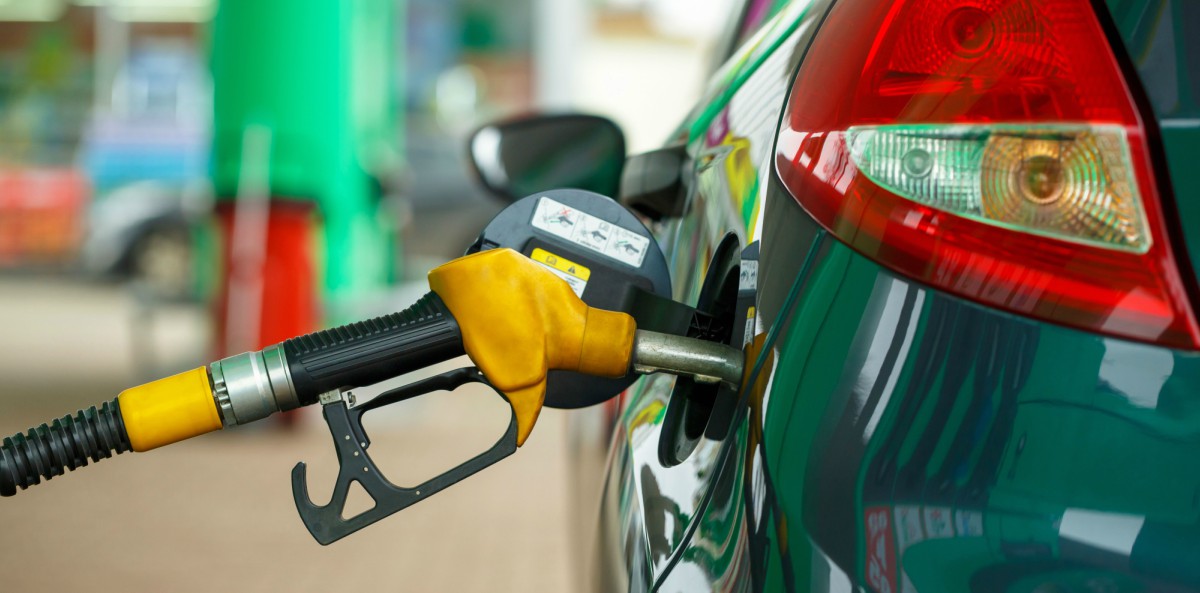

The Centre for Environmental Management and Sustainable Energy (CEMSE) has criticised the National Petroleum Authority (NPA) over its recent upward adjustment of the fuel price floor, arguing that the move has denied motorists the benefit of lower pump prices.
In an interview with 3Business on Monday February 2, 2026, the Executive Director of CEMSE, Benjamin Nsiah, said several Oil Marketing Companies (OMCs) were in a position to reduce fuel prices during the first pricing window of February.
According to him, competitive market conditions and sourcing arrangements would have allowed some OMCs to sell petrol and diesel at prices below the minimum levels set by the regulator.
Benjamin Nsiah said, “Most of them could have sold both petrol and diesel at prices lower than what the NPA has set, based on where they source their fuel from, Some of them even purchased these products at a discount. While the price floor is meant to sustain the industry, it is a very ineffective tool when it comes to ensuring that efficiency gains are passed on to petroleum users.”
He added that, the NPA’s decision to raise the price floor effectively neutralised these potential savings, preventing consumers from benefiting from lower international and procurement costs.
The Executive Director also warned that fuel prices were likely to rise further in the coming weeks, adding that, “We’ve already seen prices increase, and they will continue to rise in the second pricing window of February, Looking at the product market, expectations of a possible conflict in the Middle East have pushed international product prices higher. As a result, the NPA is likely to set an even higher price floor in the next window.”
The NPA sets a price floor to prevent undercutting among OMCs and to promote stability in the downstream petroleum sector. Fuel prices in Ghana are reviewed twice monthly, based on global oil prices, exchange rate movements and local taxes and levies. Changes to the price floor can significantly affect what consumers ultimately pay at the pump.