
The second pricing window of November for petroleum products has brought mixed adjustments to petroleum prices, with petrol and diesel expected to decline while Liquefied Petroleum Gas (LPG) is projected to increase by 21.10 per cent.
These changes have drawn varied reactions from consumers, as some weigh their options amid the latest price projections.
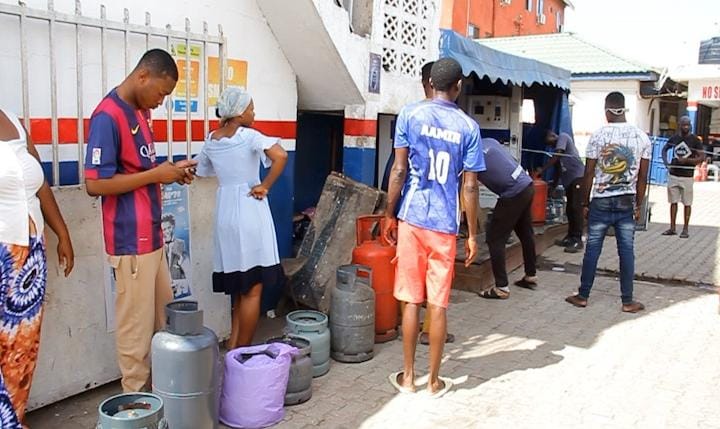
For some households, Liquified Petroleum Gas is becoming an increasingly expensive necessity.
While some say they will continue buying according to what they can afford, others fear that further increases could force them to consider other alternatives.
“Yes, the price has been increased. I used to buy it at 120, now it’s 130. We will manage. We are praying that things will go well, so that there will be a reduction,” one explained.
For Margaret, a food vendor, if the price escalates beyond her ability, she will add it to her cost.
“I sell jollof and chicken. I sell from 25 cedis with salad. But if it continues like that, then I may have to increase to maybe 30, 35 going. I will still use the gas because I see the charcoal to be much more expensive.”
The Chamber of Petroleum Consumers projects LPG will sell at GH¢23.17 per kilogram, compared with the previous indicative price of about GH¢19.14.
The latest development follows several upward adjustments in LPG prices since October.
The Chief Executive Officer of the Chamber of Oil Marketing Companies (COMAC), Riverson Oppong, explained the reason behind the adjustment in an interview with 3 News.
“What is happening is that petrol and diesel are both going down. Diesel has gone down by 5% and petrol by 16%. Ideally, on the global market, LPG also went down by 6%. That should have been reflected here. But currently, the industry applies a tendering process for LPG in the country. So that means that until the product that is in the market is finished, we don’t price LPG.”
He suggests that the government take a second look at the methodology that is used today for importing LPG, although the price of LPG may see a reduction in the coming weeks.
“Achieving a 75% DMO is ideal for any developing market. Today, Atuabo produces LPG, TOR, Sentuo and other refineries. And if they are going to use the international benchmark prices, then their LPG price should go down. So, the question you’re going to ask yourself is, even if they come, what is the pricing method for LPG that you’re going to adapt to? Are you going to adapt to the bidding rounds or actual price or the average price that we apply to the diesel and petrol?”
Meanwhile, the National Petroleum Authority says the government is also considering developments in the petroleum market, with the Finance Minister agreeing to suspend the GH¢1 Energy Sector Shortfall and Debt Repayment Levy on diesel for November.
“We are trying to ramp up domestic production and what we are bringing. And one of the things that has been greatly affected is the LPG prices. We will keep monitoring and, as and when we do, we’ll update the public about this development. But we are confident that with the stability that we are seeing, things will improve in the coming months.”
For households already adjusting their spending to meet the rising cost of cooking gas, the concern is how much further prices could climb and whether alternatives will become necessary. For now, consumers are left to navigate another round of price adjustments.