
The Ghana Association of Public Health Technical Officers (GAPHTO) has urged the public to remain vigilant against yellow fever and cerebrospinal meningitis as Ghana enters the dry season.
The warning follows the Ministry of Health’s declaration of a yellow fever outbreak in the Upper West Region on October 9, 2026, and subsequent surveillance, case investigations and reactive vaccination efforts.
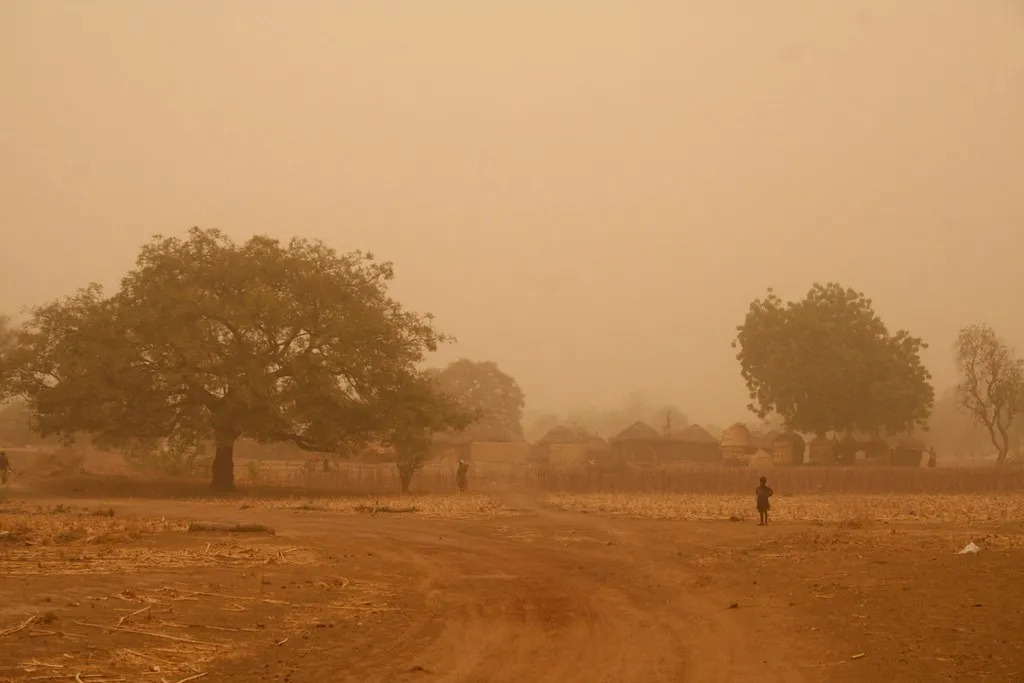
In a press release dated November 24, GAPHTO said rising temperatures and changing climatic conditions could increase exposure to mosquito bites, particularly among people who sleep outdoors without protection.
The Association has urged the public to use insecticide-treated nets, apply mosquito repellents, wear long-sleeved clothing and eliminate mosquito breeding sites.
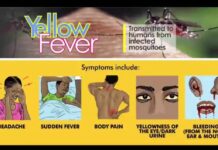
It has also advised people to seek prompt medical attention if they experience symptoms of yellow fever, including sudden fever, headache, muscle pain, nausea, vomiting and weakness.
Severe symptoms such as yellowing of the eyes and skin, dark urine and bleeding require urgent medical attention.
GAPHTO is also warning of the risk of cerebrospinal meningitis, particularly in communities within the meningitis belt, and is encouraging improved respiratory hygiene, avoidance of overcrowding and early reporting of symptoms such as fever, severe headache and neck stiffness.
The Association has called on public health professionals to intensify surveillance, improve sample collection and reporting, and strengthen community education.
It has further appealed to government and health sector partners to provide frontline health workers with adequate logistics, including fuel, motorbikes, sample transportation kits and personal protective equipment, to support outbreak response activities.
GAPHTO says sustained vaccination, early detection, prompt treatment and community participation will be critical to containing disease outbreaks and protecting public health.
The association further saluted disease control, health promotion, and health information officers, laboratory staff, vaccinators, and community volunteers working long hours in hard-to-reach communities to contain the Upper West Region outbreak.
It believes effective community engagement and timely, proper sample collection and transport remain vital for early case detection and confirmation.