
Tension is rising within Ghana’s railway sector as more than 800 workers demand urgent investigations into the alleged disappearance of GHC50 million reportedly meant for their welfare and salaries at the Ghana Railway Company Limited.
The workers say the missing funds have left many employees unpaid for nearly 11 months, pushing several families into severe financial hardship amid the country’s worsening economic conditions.
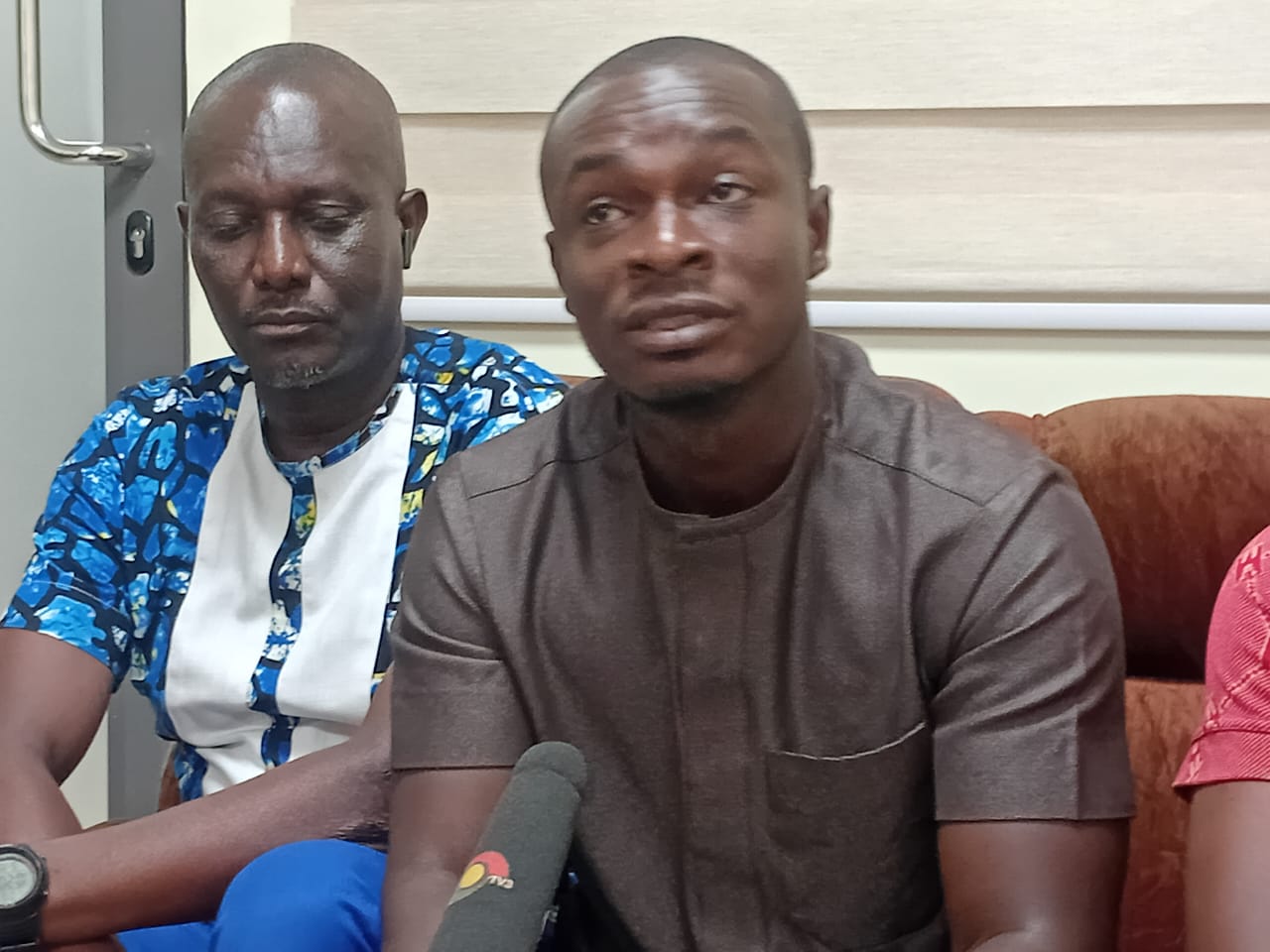
Speaking with 3news on May 19, Secretary of the Railway Workers Union, Benjamin Essuman, accused authorities of failing to account for money allegedly paid by companies operating within the sector.
“Some companies like Ghana Manganese gave money to government and our management as far back as August 2024 to pay salaries, but we were still not paid,” he revealed.
Mr. Essuman is now calling on the Minister of Transport to launch what he describes as a transparent and independent investigation into the matter.
“That is why we are demanding investigations from the Minister — proper investigations. We need a public report so that sanity can return to the system,” he stressed.
The Union says workers have reached a breaking point, warning that continued silence from authorities could worsen tensions within the sector.
“For now, this is what we need. Government must make sure to assist us. If government doesn’t have the funds, there are many investors we hear are coming to the ministry, but we do not understand what is happening,” he added.
Mr. Essuman further pointed to countries like Kenya and Tanzania, where long-term private investment agreements have reportedly helped sustain railway operations.
“Take Kenya and Tanzania for example. They gave theirs out for investment, and after 25 years the systems are still functioning. If government is able to bring in investors, these issues will not continue,” he said.
The workers are now demanding immediate action, accountability, and the payment of all outstanding salaries as pressure mounts on authorities to explain the whereabouts of the alleged missing funds.
By Daniel Opoku