
There is an old saying that a nation that forgets its history risks repeating it.
Today, many Ghanaians, especially younger generations may not fully appreciate why the repeal of the Criminal Libel and Seditious Laws in 2001 was such an important milestone in Ghana’s democratic journey. Some may even ask: what is wrong if the state arrests people for false statements or offensive political comments?
History provides a painful answer.
For decades, particularly during the years of the Provisional National Defence Council (PNDC) military regime led by Jerry John Rawlings, journalists, editors, writers, and political critics often lived in fear.
Some were arrested, others detained without trial, while many faced intimidation simply for criticising government policies or publishing uncomfortable truths.
That painful chapter is one of the reasons former President John Agyekum Kufuor and Parliament repealed the Criminal Libel Law in July 2001. The decision was widely celebrated both locally and internationally because it marked a major step away from the “culture of silence” that had weakened free expression and democratic debate in Ghana.
Today, however, many observers fear that the same spirit of political intimidation may gradually be returning through different legal mechanisms.
The controversy surrounding the arrest and prosecution of Kwame Baffoe, popularly known as Abronye DC, has reopened national debate about free speech, democracy, and the limits of state power.
Opposition figures and free speech advocates argue that laws relating to “false news” or “offensive conduct” risk being used selectively against critics and political opponents.
Whether one agrees with Abronye DC’s comments is not even the central issue. The bigger democratic question is whether citizens should fear arrest because of political speech.
This debate becomes more important when Ghana’s political history is remembered.
During the PNDC years of the 1980s and early 1990s, several journalists and critics suffered under state laws and security powers used to suppress dissent. Among the most remembered cases were journalists Tommy Thompson, John Kugblenu, and Mike Adjei of the Free Press newspaper.
After publishing articles critical of the government in 1983, they were arrested and detained without trial for several months. Historical accounts later indicated that John Kugblenu died shortly after his release.
Veteran journalist Abdul Malik Kweku Baako was also detained during the PNDC era because of his criticism of the military government and his pro-democracy activism. Other public figures, including Kwesi Pratt Jnr and Akoto Ampaw, also faced arrests, intimidation, or harassment during that period.
By the 1990s, the Ghanaian Chronicle newspaper had become one of the country’s strongest anti-corruption and investigative publications. Its publisher, Nana Kofi Coomson, frequently clashed with authorities over stories involving alleged corruption and abuse of power. Journalists connected to politically sensitive investigations often faced police invitations, legal threats, and intimidation.
As a result, many media houses operated in fear. Some journalists fled into exile, while others practised self-censorship simply to survive. Criticising government could easily attract harassment or detention.
That is precisely why the repeal of criminal libel in 2001 was viewed as a democratic breakthrough. It sent a powerful message that political disagreement should never lead to imprisonment.
In any democracy, governments must tolerate criticism, even harsh criticism. This does not mean citizens should spread lies irresponsibly or engage in reckless misinformation. Political actors, media personalities, and ordinary citizens all have a responsibility to avoid inflammatory rhetoric that can damage national cohesion.
However, there is an important difference between civil accountability and criminal punishment.
If a person damages another’s reputation through false allegations, Ghana’s courts already provide civil remedies through defamation suits, apologies, and compensation. The country does not need to return to an era where political speech routinely leads to arrests or intimidation by state security agencies.
Across Africa, concerns are growing about governments using cybercrime laws, false news regulations, and national security arguments to control online speech. Critics argue that such laws are often selectively applied against journalists, activists, and opposition figures, while allies of those in power escape similar scrutiny.
Even after the repeal of criminal libel, concerns about media freedom have occasionally resurfaced under democratic governments. During the administration of Nana Addo Dankwa Akufo-Addo, broadcaster Captain Smart was arrested in 2021 following controversial public comments, while the 2019 raid on Modern Ghana by national security operatives also raised concerns among media freedom organisations.
When citizens begin to feel that laws are being applied politically, democracy itself becomes weaker.
Ghana has come too far democratically to return to the fear and silence of the past. The answer to irresponsible speech cannot be state intimidation. The answer lies in stronger journalism ethics, responsible broadcasting, media literacy, independent regulation, and fair civil justice.
Democracy is strongest when citizens can speak freely without fear.
The true test of democratic leadership is not how governments respond to praise, but how they respond to criticism, opposition, and uncomfortable opinions. Because once fear enters public conversation, democracy itself begins to shrink.
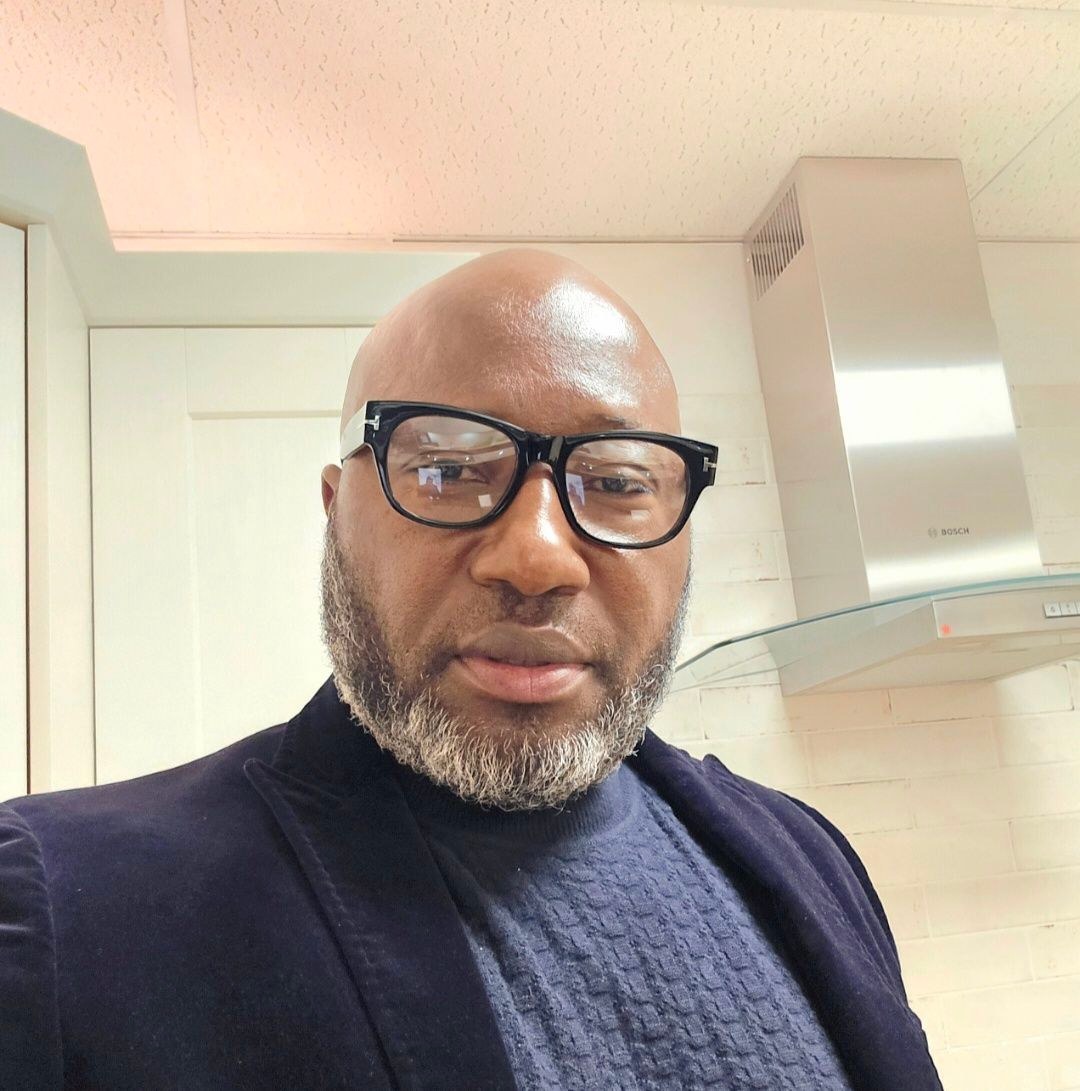
By Collins Adjei Kuffuor, Social Commentator, UK