
The University of Energy and Natural Resources (UENR) at Sunyani, the Bono Regional capital, has renewed calls for stronger investment in digital skills and artificial intelligence as Ghana pursues its 24-hour economy agenda.
At this year’s Tech Fair, university leaders stressed that the country’s future competitiveness will depend on innovation, technology, and a digitally skilled workforce.
The UENR Tech Fair 2026 brought together government officials, technology experts, entrepreneurs, researchers, policymakers, and students to discuss the future of Ghana’s digital economy.
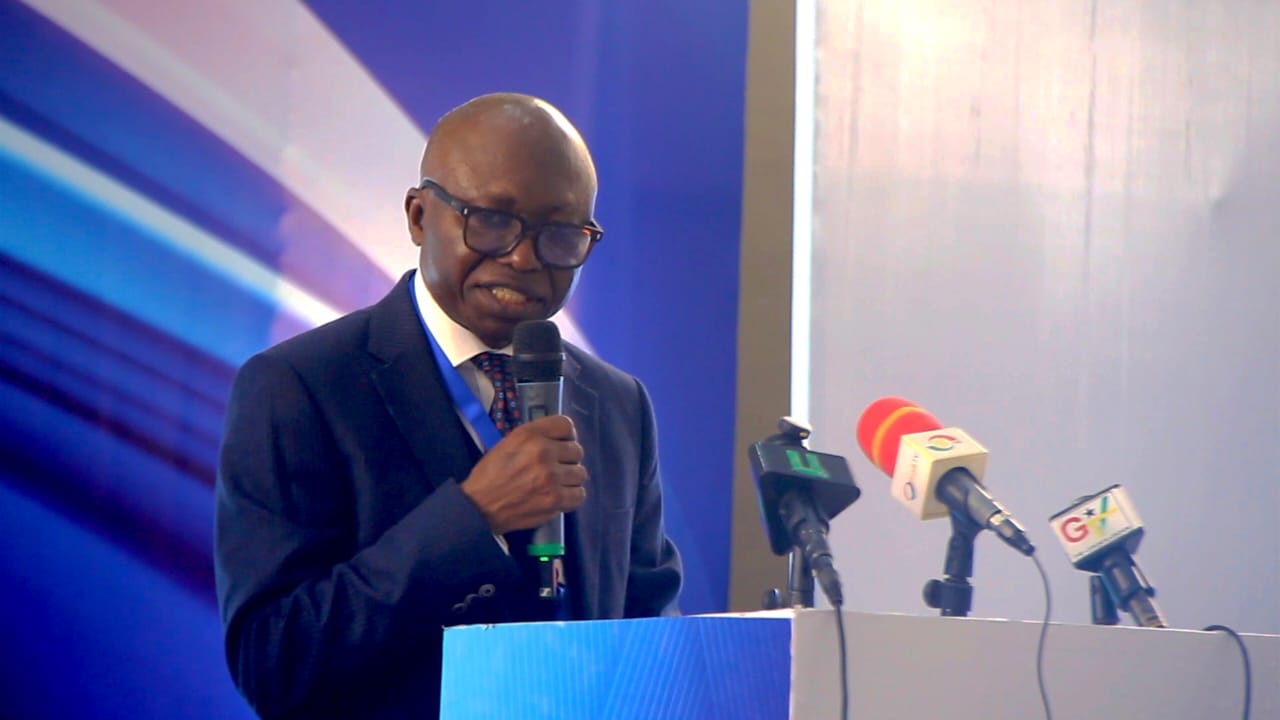
Addressing participants, Vice Chancellor Professor Elvis Asare-Bediako described the fair as a strategic investment in Ghana’s digital transformation.
He said the platform has empowered thousands of young people with opportunities to learn, innovate, and connect with the technology industry while positioning Sunyani, the Bono Region, and Ghana as emerging centres for digital innovation.
Professor Asare-Bediako noted that as digital technologies continue to reshape economies worldwide, Ghana must prepare a workforce equipped with skills in artificial intelligence, cybersecurity, software engineering, cloud computing, data science, robotics, and blockchain.
According to him, a resilient 24-hour economy can only succeed if the country develops professionals capable of designing digital solutions, securing critical infrastructure, and managing intelligent systems around the clock.
The Vice Chancellor also highlighted the growing participation of women in technology programmes at UENR, describing it as a positive step toward building a more inclusive digital future.
He further welcomed the university’s selection as one of the host institutions for the Government of Ghana’s One Million Coders Programme, saying it reflects confidence in UENR’s contribution to national digital transformation.
”The future economy will not be powered by natural resources alone. It will be powered by knowledge, innovation, and digital skills” he emphasized
Also speaking at the event, Professor Peter Appiahene, Head of the Department of Information Technology and Decision Sciences at UENR, called for urgent national policies to promote responsible artificial intelligence adoption in education.
He urged government to develop comprehensive AI policies that promote AI sovereignty by protecting Ghana’s data and supporting the development of AI models trained on local datasets.
Professor Appiahene argued that artificial intelligence should no longer be viewed as a tool for academic cheating but rather as an essential learning resource when used responsibly.
He revealed that he has already submitted a comprehensive AI policy proposal to UENR’s Academic Board to guide the ethical use of AI by students and staff.
According to him, students are already relying on AI tools such as ChatGPT and GitHub Copilot for research, coding, and academic work, making institutional policies necessary rather than optional.
He challenged universities across Ghana to adopt AI governance frameworks before the end of the academic year to ensure graduates remain globally competitive.
”If we are teaching technology without teaching students how to use AI responsibly, we are preparing them for a world that no longer exists” he asserted.
The speakers concluded by urging government, universities, and industry to work together to strengthen Ghana’s digital ecosystem, promote responsible AI adoption, and equip young people with the skills needed to build a resilient AI-powered 24-hour economy.
The United Fair continues with exhibitions, innovation showcases, and technology discussions aimed at preparing students for emerging opportunities in the digital economy.
By Claude Kumi Abisa