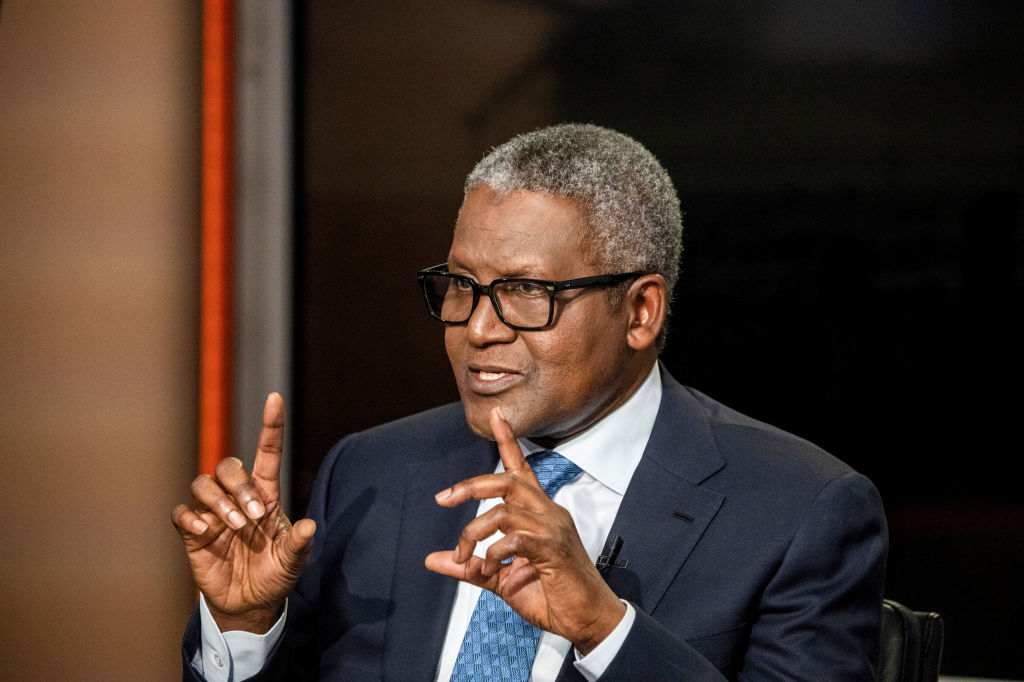

President of the Dangote Group, Aliko Dangote, has underscored the need for stronger integration among African countries and remove barriers to the free movement of people, goods and services across the continent.
Speaking at the sidelines of the Accra Reset, hosted by President John Dramani Mahama at the United Nations General Assembly on Monday, September 21, he said easier movement across African countries could also encourage investment.
Mr Dangote noted that Africans must take greater responsibility for the development of the continent rather than continue to depend on outsiders.
“What my brother said, His Excellency Wamkele, is that we need to really get together on the continent. Nobody will come and develop our continent but us,” he said.
He said the prolonged discussions around visa restrictions and free movement should end for a concrete action to be taken.
“So, the issue about all these visas, free movement of people, goods and services, we have been talking about it for long and we are tired of talking, so we need to act now and make sure we allow the free movement of people,” Dangote stated.
He questioned why Africans continue to face visa restrictions when travelling within their own continent.
“I have always wondered why are we not allowing ourselves to visit each other. If I am not going to have a visa in Africa, why should I invest?” he asked.
“Why are you allowing a European to visit Africa much more easier than me as an African? It does not make sense,” he said.
Addressing concerns that greater freedom of movement could create security challenges, Dangote argued that African governments should not allow such fears to prevent deeper continental integration.
“You are saying that a lot of our own political leaders, they have been scared by their security agencies but I said that an African does not have the capacity to cause trouble more than somebody who is well enlightened,” he said.
Dangote’s comments come amid broader calls for deeper African economic integration through the removal of barriers to the movement of people, goods and services and greater intra-African investment.