
Community members in Dormama in the Wassa East District of the Western Region have opined that the government’s failure to stamp out illegal mining is rooted in a troubling pattern where suspects arrested often find their way back to the mining sites.
They argue that these apparent “let-offs” embolden offenders, who return more aggressive and increasingly armed.
“They come back more aggressive, cause more destruction and sometimes armed,” one resident said. “It’s as if the arrest was just a warning they can ignore.”

Despite deadly mine collapses, the destruction of equipment worth millions of cedis, sporadic deportations, widespread public outrage, and arrests, the devastation persists. Farmlands are stripped bare, vast swathes of forest vanish, and rivers are reduced to toxic sludge by the illegal and reckless gold mining.
The scars run deep as the nation is still mourning the deaths of eight public officials whose passing is linked to the galamsey menace. And this is not the first time, a military person has tragically lost their life to the menace. Perhaps the pains of the family of Captain Mahama have been rekindled.

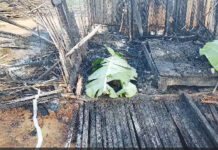
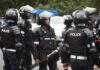
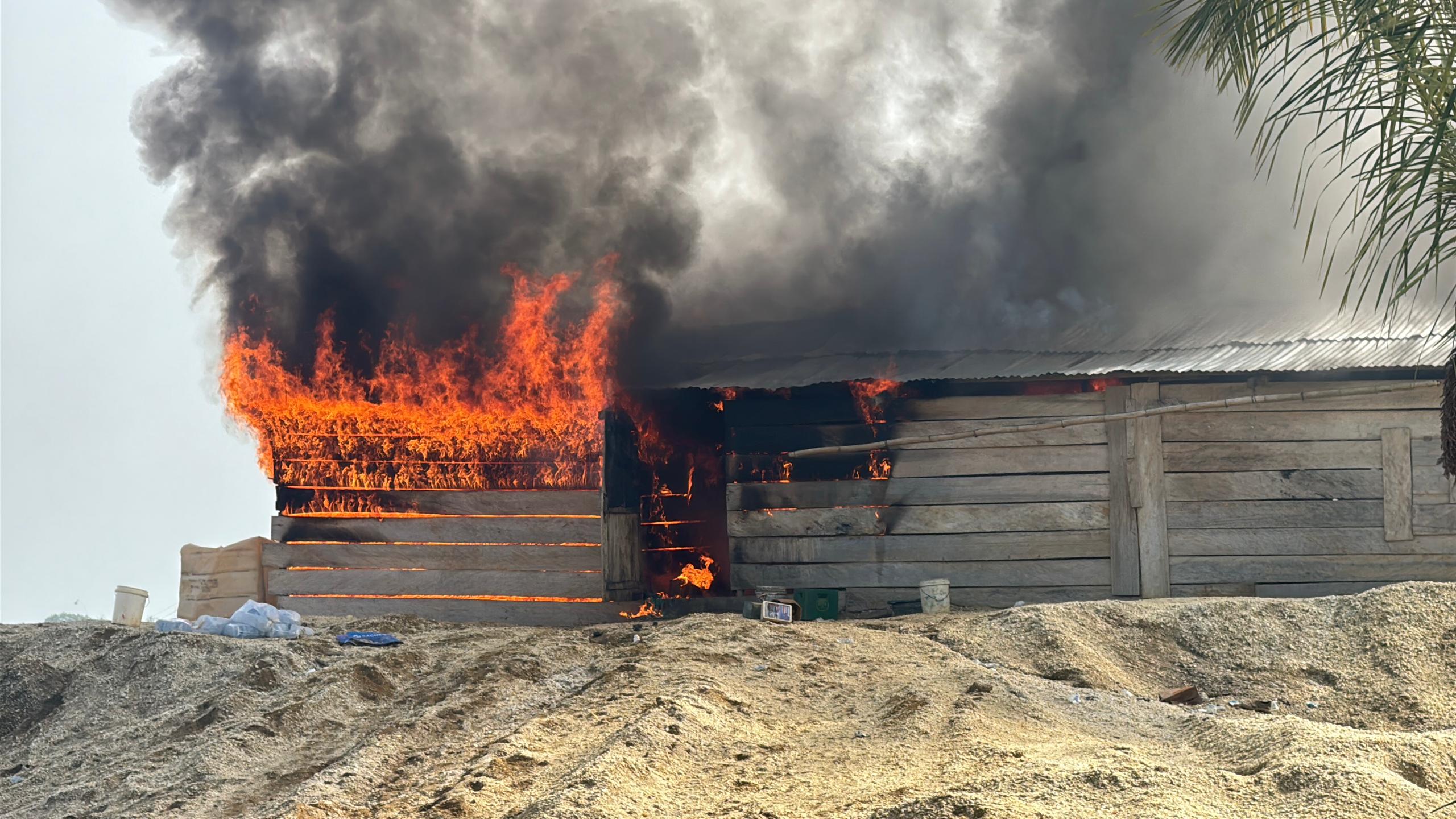
In a recent crackdown, the Western Region Police Command arrested five notorious illegal miners at Wassa Dormama. Their operations had consumed large tracts of cocoa farms, and a tributary of the Pra River had been reduced to a thick mud pool.
But such arrests are far from rare. In just the first seven months of 2025, at least 1,345 illegal miners were arrested nationwide during intensified operations announced by the Minister of Lands and Natural Resources Emmanuel Armah Kofi Buah. Separately, the Forestry Commission reported arresting 286 people during its enforcement drives.
Yet these high numbers mask a glaring problem where very few of these arrests lead to convictions. A parliamentary statement revealed that in “the last few years,” fewer than 40 prosecutions had emerged from more than 800 cases. The Attorney-General later confirmed that since August 2021, only 76 individuals had been convicted, despite over 850 cases still pending trial.

For residents of Dormama, this mismatch between arrests and convictions explains why some offenders reappear at mining sites within weeks, and with renewed energy.
“Every day we hear about crackdowns and arrests,” said Wisdom Adeka, a member of the Wassa Dormama community committee. “But what happens next? Do they get prosecuted? We see some of them back in the community after a short while. This is dangerous and not just for the entire community, but also for those who risk reporting these activities to the authorities.”
Some community elders claim local authorities themselves are complicit. Elder Abusuapanyin Sylvester Nti accused the Regent and Queenmother of enabling miners to annex farmland.

“We have held several meetings, but they refuse to heed any caution. These crackdowns are important, but they must be sustained — and those arrested should receive harsh jail sentences.”
The Minerals and Mining (Amendment) Act, 2019, provides for 10 to 25 years in prison and heavy fines for illegal mining. But with conviction rates so low, residents believe the deterrent effect is almost nonexistent.
High-profile cases such as the 2020 disappearance of 500 seized excavators and the lack of prosecution of politically connected companies like Akonta Mining — have deepened public skepticism. Allegations of political interference and elite impunity have become a constant undertone in discussions about galamsey enforcement.

For Dormama, the pattern is depressingly familiar: armed raids, seized machinery, court announcements — and then silence. And when the silence breaks, it is often the sound of excavators firing up once again in the forest.
By Eric Yaw Adjei