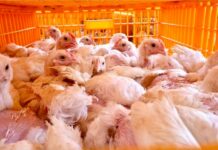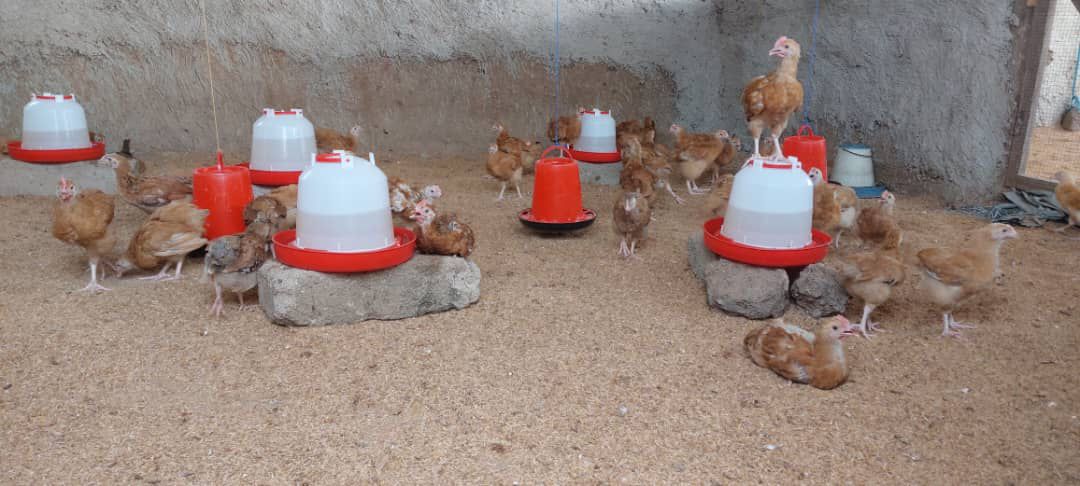

The Effia-Kwesimintsim Municipal Chief Executive, Abdul Majeed Dorkulugu, has announced a devastating loss of over 4,000 birds out of the 10,000 allocated to the municipality under the government’s flagship “Nkoko Nkitinkiti” poultry initiative.
The MCE made the disclosure in a sideline interview during the first Western Regional Coordinating Council meeting held in Takoradi, where regional stakeholders gathered to deliberate on development priorities across the Western Region.
According to Mr Dorkulugu, the mortality rate exceeding 40 percent has thrown a shadow over the programme’s implementation in the municipality and raised serious concerns among local farmers about the viability of the initiative.

“We started with 10,000 birds, but unfortunately, over 4,000 have died,” the MCE revealed. “This is a significant loss that we cannot ignore, and it demands immediate attention from all stakeholders involved.”
The MCE further indicated that local farmers have raised concerns about the type of birds supplied under the programme. According to Mr Dorkulugu, the farmers are specifically questioning the suitability of the broiler breed provided, noting that broilers are primarily meant for consumption rather than for sustainable backyard poultry farming.
“The farmers are complaining about the broiler type of birds. According to them, this type of birds are meant for consumption, not for the kind of backyard poultry farming the programme seeks to encourage,” he stated.
The concern touches on a fundamental design question for the ‘Nkoko Nkitinkiti’programme, which was launched as part of the broader Feed Ghana agenda to boost local poultry production, create jobs, and reduce the nation’s reliance on imported poultry products.
Each constituency was expected to receive 10,000 birds, with 200 households benefiting from 50 birds each.
In light of these developments, the MCE is calling on the Ministry of Food and Agriculture to conduct a thorough review of the bird selection for the programme.
“I am appealing to the Agric Ministry to have a look at this whether indeed we have to encourage backyard poultry farming with these types of birds,” Mr Dorkulugu said. “If the goal is sustainable backyard poultry, then we need birds that can thrive in that environment, not broilers that are primarily raised for quick slaughter.”
His concerns echo warnings previously raised by poultry industry stakeholders, who have cautioned that distributing broilers to households without proper infrastructure and veterinary support could lead to high mortality rates.
The ‘Nkoko Nkitinkiti’ initiative, a key agricultural intervention under President John Dramani Mahama’s administration, aims to distribute three million birds across all 276 constituencies, benefiting approximately 60,000 households nationwide.
The programme has already distributed 720,000 birds in its pilot phase across 12 selected districts.
However, the Effia-Kwesimintsim experience is not an isolated case. Recent reports have highlighted mortality challenges in other municipalities, with some farmers reporting mortality rates as high as 50 percent.
In the Kpone-Katamanso Municipality, an assemblyman reported that about 500 chicks had died shortly after distribution.
The Effia-Kwesimintsim Municipal Assembly had earlier announced ambitious plans to support the programme, including the construction of a 500-bird-per-hour processing centre as part of a broader GHS8 million investment in the agricultural sector.
Despite the setback, Mr Dorkulugu remains committed to the programme’s success and has assured that the assembly will work closely with the Ministry of Food and Agriculture to address the challenges and ensure equitable distribution of the remaining birds.
As the Western Regional Coordinating Council continues its deliberations, the fate of the Nkoko Nkitinkiti programme in Effia-Kwesimintsim and potentially across the country hangs in the balance, awaiting a decisive response from national agricultural authorities.
By Ebenezer Atiemo