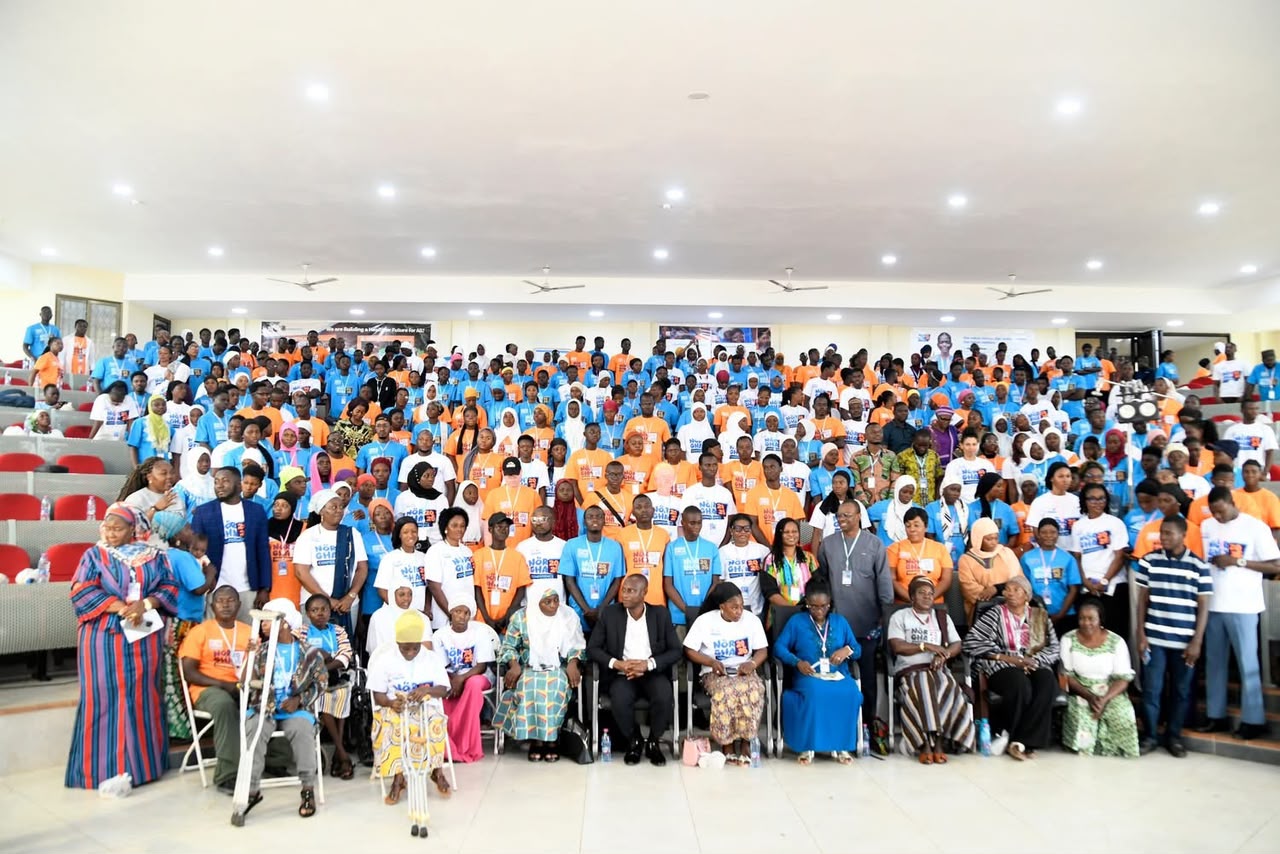

Young people who gathered in Tamale for the seventh Northern Ghana Sexual and Reproductive Health Rights Conference (NORGHA 2026) are calling for more than dialogue: they want a genuine seat at the table where health programmes affecting their lives are designed.
More than 400 youths from seven regions are attending the four-day conference, organised by Norsaac with partners including Songtaba, RAINS, Oxfam in Ghana, School for Life and ActionAid Ghana, under the theme: “Building a Healthier Future for All: Youth-Driven Action Towards Increasing SRH Services.”
While sessions focus on access to sexual and reproductive health information and services, a dominant message from the opening plenary is that young people must no longer be treated as passive beneficiaries of interventions planned without them.
“The narrative of developing programmes ‘about the youth and not with the youth’ must change,” Mrs Mabel Kissiwah Asafo, Acting Director of the Health Promotion Division of the Ghana Health Service (GHS), told participants.
She said young people need to be involved from the planning stage through to implementation of programmes designed to address issues affecting them, adding that youths possess skills in technology and communication that can be harnessed to promote accurate health information and healthy behaviours.
Stigma, confidentiality fears still block access
For many delegates, the call for participation is rooted in lived experience. Hajia Hafsatu Sey Sumani, Head of Programmes and Policy Influencing at Norsaac, said numerous young people continue to face stigma, discrimination and confidentiality concerns when seeking sexual and reproductive health information and services.
“Such issues could force young people into silence and prevent them from accessing accurate information and essential health services,” Hajia Sumani said.
She cited Ghana Demographic and Health Survey data showing about 15 per cent of girls aged 15 to 19 have experienced pregnancy, with a significant share of adolescent pregnancies unintended. She also noted that about one in six young people aged 20 to 24 in Ghana were married before turning 18.
In interviews, participants described avoiding health facilities over fears of judgment, worries that parents might be informed, and discomfort in spaces not designed for adolescents.
Inclusion in practice: disability and representation
Organisers are highlighting the conference’s participant profile as a sign of intentional inclusion: 71 per cent female, 27 per cent male, and seven per cent persons with disabilities (PwDs), with 83 per cent attending NORGHA for the first time.
Ms Radia Nuhu, Founder and Executive Director of Naglogu Care Foundation and a participant with cerebral palsy, commended organisers for including persons with disabilities in SRHR discussions.
“I am participating in this conference for the third time, and it has been inclusive, participatory and informative,” Ms Nuhu said.
She stressed that persons with disabilities also face health and social challenges that require attention, and called for accessibility and targeted programming to become routine in SRHR work.
From “youth-driven” slogan to system change
For public health watchers, the key question is what “youth-driven” will mean in practice after the conference ends. Delegates and advocates point to several concrete markers:
Youth representatives embedded in district health planning committees and facility improvement teams, not just invited for one-off workshops.
Co-design of youth-friendly service hours, privacy protocols and counselling approaches with young clients, especially in CHPS compounds and school health programmes.
Dedicated budget lines for youth participation in SRHR projects, including transport, stipends and accessibility support for marginalised groups.
Clear, safe feedback channels where young people can report stigma or confidentiality breaches without fear, and see those complaints lead to action.
Mrs Asafo warned that without open platforms at home and in communities, young people may turn to social media where misinformation thrives, and encouraged participants to share lessons from the conference with at least 10 peers each.
Over the next four days, participants are expected to engage stakeholders, share experiences and develop advocacy actions to improve access to sexual and reproductive health information and services.
But many say the real measure of success will be whether, a year from now, young people in Tamale and beyond can point to specific changes
more confidential testing, friendlier clinic staff, youth-influenced policies and safer schools as evidence that the “with youth” promise moved from slogan to system.
For a health system under pressure from adolescent pregnancy, HIV, sexual violence and persistent stigma, NORGHA 2026 may be less about what is said inside the conference hall and more about what changes outside it.
By Nadra Mohammed