
On February 24, 1966, Ghana changed forever.
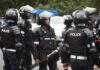
While on a trip to Hanoi, Vietnam, the country’s first President, Kwame Nkrumah, was overthrown in a military coup. It was the first in Ghana’s history. The rule of the Convention People’s Party came to an abrupt end, and the nation stepped into unfamiliar political territory.
For some, it was a necessary correction. For others, it was a devastating interruption.
Why the Coup Happened
The leaders of the 1966 takeover defended their actions by pointing to allegations of corruption, economic hardship, and what they described as shrinking space for free speech and political opposition.

At the time, Ghana was under strain. Major state-led industrial projects, ambitious infrastructure plans, and financial support for liberation movements across Africa had placed heavy demands on the economy.
Critics believed the country was struggling under the weight of these commitments. Supporters believed Ghana was leading the continent toward true independence and unity.
Beyond Ghana’s borders, Nkrumah remains a towering figure of Pan-Africanism and anti-colonial resistance. Within Ghana, however, his legacy continues to spark passionate debate.
The Airport That Reopened Old Wounds
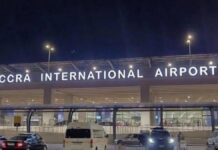
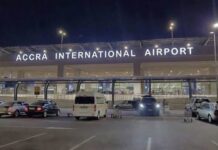
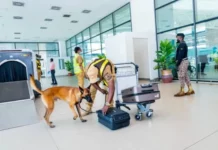
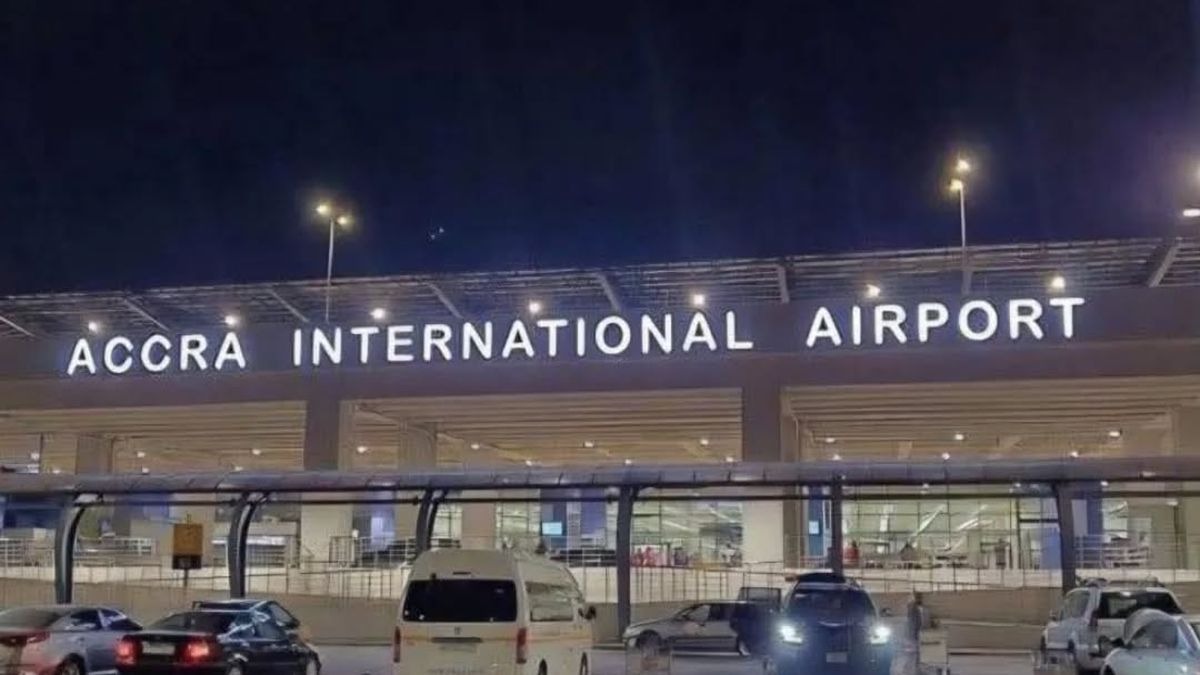
Sixty years later, that debate has returned to the forefront following the renaming of the country’s main international gateway.
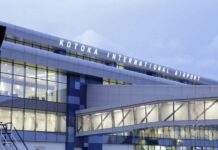
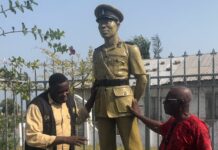
For decades, it was known as Kotoka International Airport, named after Lieutenant General Emmanuel Kwasi Kotoka, one of the key figures in the 1966 coup. The government has now reverted it to Accra International Airport.
For members of the CPP, the decision feels symbolic and deeply personal.
“We as the Convention People’s Party are very delighted by the decision of the government. We usually mourn during this period, but today we are happy,” a party representative said.
Among some Ghanaians, there is a sense that the change was overdue.
“The government even delayed in the renaming. It should have happened a while back,” a trader shared.
Others see the timing as significant, noting that it comes exactly six decades after Nkrumah’s overthrow.

A Nation Still Defining Itself
What makes February 24 so powerful is that it is not just a date in a history book. It is a symbol.
For many, the events of 1966 represent a dark chapter, a turning away from the development path charted in the early years of independence. For others, it marked the beginning of political change they believed was necessary at the time.
Sixty years on, the conversation is no longer only about the coup itself. It is about memory. About national identity. About which figures Ghana chooses to elevate and which chapters it seeks to re-examine for by the nation’s founder.