

The Volta Regional Coordinating Council has announced plans towards the cultivation of several hectares of Kenaf in the Region.
Volta Regional Minister, James Gunu said the initiative which is being led by the Coordinating Council and some private investors in collaboration with Malaysian authorities will boost the establishment of an agro-processing center and the creation of jobs for a significant number of people in the region.
In an address during a meeting with Chiefs at the Volta Regional House of Chiefs, Mr Gunu revealed that he led a team of investors to Malaysia recently to engage key players in the industry towards the cultivation of the crop which he described as having a high economic value.
“We have also gotten a deal with a Malaysian authority to grow kenaf in our region,” Mr Gunu announced to the Chiefs.
“We have brought a seed from our recent visit to Malaysia. Kenaf is one of the leading crops produced in Malaysia and it is used in the cosmetics, aviation, textile and even the construction industries,” Mr Gunu added.
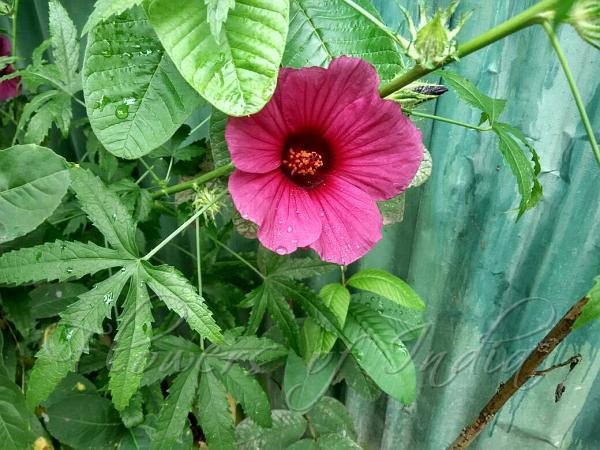
At an earlier press briefing addressed by George Sika, the private investors’ coordinator on the project, the group revealed that some 5,000 hectares of land has been secured towards the cultivation of the crop.
Mr Sika hinted that their visit to Malaysia yielded a potential $3 billion investment to be made by the Asia-Africa Chamber of Commerce into various sectors of the region’s economy, particularly in the area of agriculture.
The Kenaf Industry Association of Malaysia and the Ministry of Commodities and Plantation is said to be committed to supporting Ghana develop a full value chain for the cultivation of the crop.
Each 1,000 hectare model is expected to produce an annual income of $200 million.
The crop when planted has a maturity period of between three to four months before it is harvested.
Kenaf, scientifically known as Hibiscus cannabinus, is a versatile, fast-growing plant in the hibiscus family, native to Africa.
It is cultivated for its strong bast fibers, which are used in various applications like paper, textiles, and ropes. Kenaf is also a valuable source of edible seeds, oil, and leaves, and has potential uses in bioenergy and as a feed source.
By Faisal Abdul-Iddrisu