
The Sekondi-Takoradi Metropolitan Assembly (STMA) is set to implement a £23.8 million flood resilience project aimed at tackling the longstanding flooding and drainage issues that have plagued the twin-city for decades.
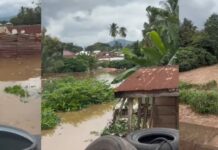
This initiative comes on the heels of a recent and devastating flood that swept through several communities in the area leading to the tragic loss of lives and the destruction of properties worth billions of Ghana cedis.
The £23.8 million project is being financed through a partnership between international development agencies. According to STMA, 65% of the total funding is being provided by the African Development Bank (AfDB), while the remaining 35% is secured from the International Investment Organization, a global body committed to infrastructure development and climate resilience.
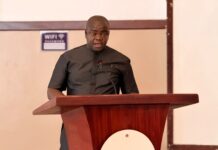
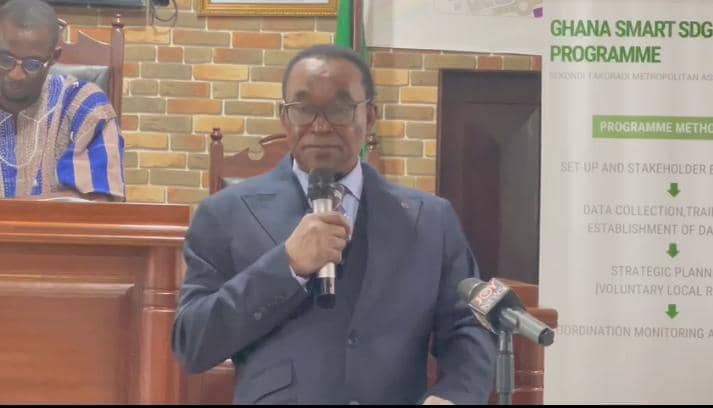
Speaking at a General Assembly Meeting, Metropolitan Chief Executive (MCE) Lawyer Frederick Faidoo noted the project will focus on flood-prone areas such as Sekondi and Bakado, where major drainage and road infrastructure upgrades are expected to take place.

A key feature of the project is the construction of five reservoirs to manage excess stormwater and ease the pressure on existing drainage systems.
The drainage network at the Sekondi Market, which often suffers from waterlogging during heavy rains, will also be significantly improved.
Lawyer Faidoo noted that beyond physical infrastructure, the project will introduce nature-based solutions like tree planting and urban gardening to help manage runoff and promote environmental sustainability.
“This is not just another intervention. It is a major investment in the safety and resilience of our communities. When completed, it will bring lasting relief to residents who year after year have had to deal with the devastating effects of floods,” the MCE emphasized.
He added that selected roads in flood-affected zones will be reconstructed with climate-resilient materials and proper slope gradients to facilitate natural runoff.
Lawyer Faidoo emphasized that the project is not just about physical infrastructure, but also about building a city that can withstand future climate shocks. “This is a long-term investment in the safety, economy, and growth of Sekondi-Takoradi,” he said. “We are prioritizing areas that have been hardest hit over the years.”
Flooding has become a recurring issue in Sekondi-Takoradi due to rapid urbanization, encroachment on wetlands, poor solid waste management, and outdated drainage systems.
The situation worsens every rainy season, leaving residents vulnerable and costing the Assembly millions in emergency response and repairs.
With this ambitious project, the Assembly hopes to turn the tide and position Sekondi-Takoradi as a model for urban flood management.