
“Heal the world, make it a better place” is more than just a song it is a call to action.
A call not only for developed nations but for every country, community, and citizen across the globe. Yet, according to the UN’s Sustainable Development Goals (SDG) Special Progress Report, nearly half of the world’s countries are lagging behind in securing the wellbeing of people and the planet. The promise of “leaving no one behind” is now in peril.
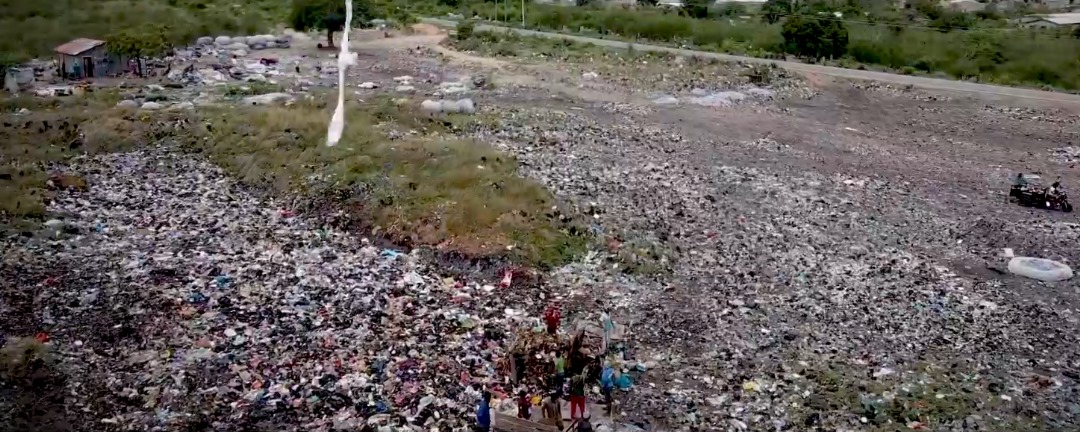
In Ghana, the small community of Sankro, located northeast of Effutu in Winneba about 50 kilometers from the capital, Accra is living out this crisis. At the heart of Sankro’s sanitation struggles lies a dumping site that has served as the final waste disposal ground for the entire Effutu municipality for over two decades.

According to community elders, the site dates back to the year 2000. What began as a temporary solution during the construction of the Accra–Cape Coast highway has since spiraled into a 25-year sanitation nightmare.
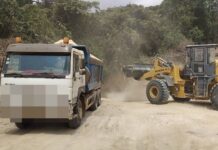
Nana Obirifo Kojo Tetteh II, Chief of Sankro, explained that the trouble began when the contractor in charge of the highway construction mined sand from the area.

An agreement was reached between the then Municipal Chief Executive and the traditional council: the pit created by sand mining would be filled with waste, covered with soil, and later returned to the landowners.
What was intended as a quick fix became a long-lasting crisis. Today, the pit is still an active dumping site, overflowing with waste and threatening the health and future of residents.

Over the years, community leaders and residents have attempted to find solutions. Former assembly member Abdullai Awudu Yakub recalled his efforts to mitigate the problem during his tenure. He revealed that the site had become the final disposal ground for the entire Effutu municipality, with waste from households, markets, and even hospitals being dumped there—especially during the COVID-19 pandemic.
Mr. Yakub once proposed fencing the site to reduce its dangers, but the idea was never fully realized. “Sankro has become the waste hub of the municipality, and this has put many lives at risk,” he lamented.

The impact of the dumping site stretches beyond unpleasant sights and odors. According to Marjorie Annim Yankey, Deputy Executive Director of Coast for Christ Hospital in Sankro, the community is facing a rising tide of sanitation related illnesses.

“Most reported cases in our facility are cholera, malaria, and other fevers spread by mosquitoes and houseflies that thrive in filth. Children are the most affected,” she said. Ms. Yankey urged residents to practice hygiene by washing hands regularly, covering food, and sleeping under treated mosquito nets.

But health is not the only casualty. Education in Sankro is also under threat. Some children skip school to scavenge for scraps at the dumping site, selling them for quick money. Resident Dorcas Yahya described the trend as troubling: “Many children now see scrap hunting as more profitable than attending school. They spend entire days at the site instead of in classrooms.”
This cycle, residents fear, risks robbing the next generation of both education and opportunity.
For Sankro, the dumping site is more than a nuisance it is a public health hazard, an environmental disaster, and a stumbling block to development. The chief and people of the community are now making an urgent appeal to government authorities, municipal leaders, and all relevant stakeholders to intervene.
Sankro’s plight is a reminder that global goals like the SDGs begin with local action. Communities like this cannot be left behind if the world is to achieve its vision of a cleaner, healthier, and more sustainable future.