
The Teachers and Educational Workers’ Union (TEWU) has pushed back against criticism that its nationwide strike is inconsiderate of students and parents.
According to the union, the industrial action — declared just as schools prepare to reopen — is a necessary step to demand better working conditions for its members.
TEWU says the strike, which takes immediate effect, is aimed at compelling the government and the Fair Wages and Salaries Commission to conclude and sign their long-outstanding conditions of service.
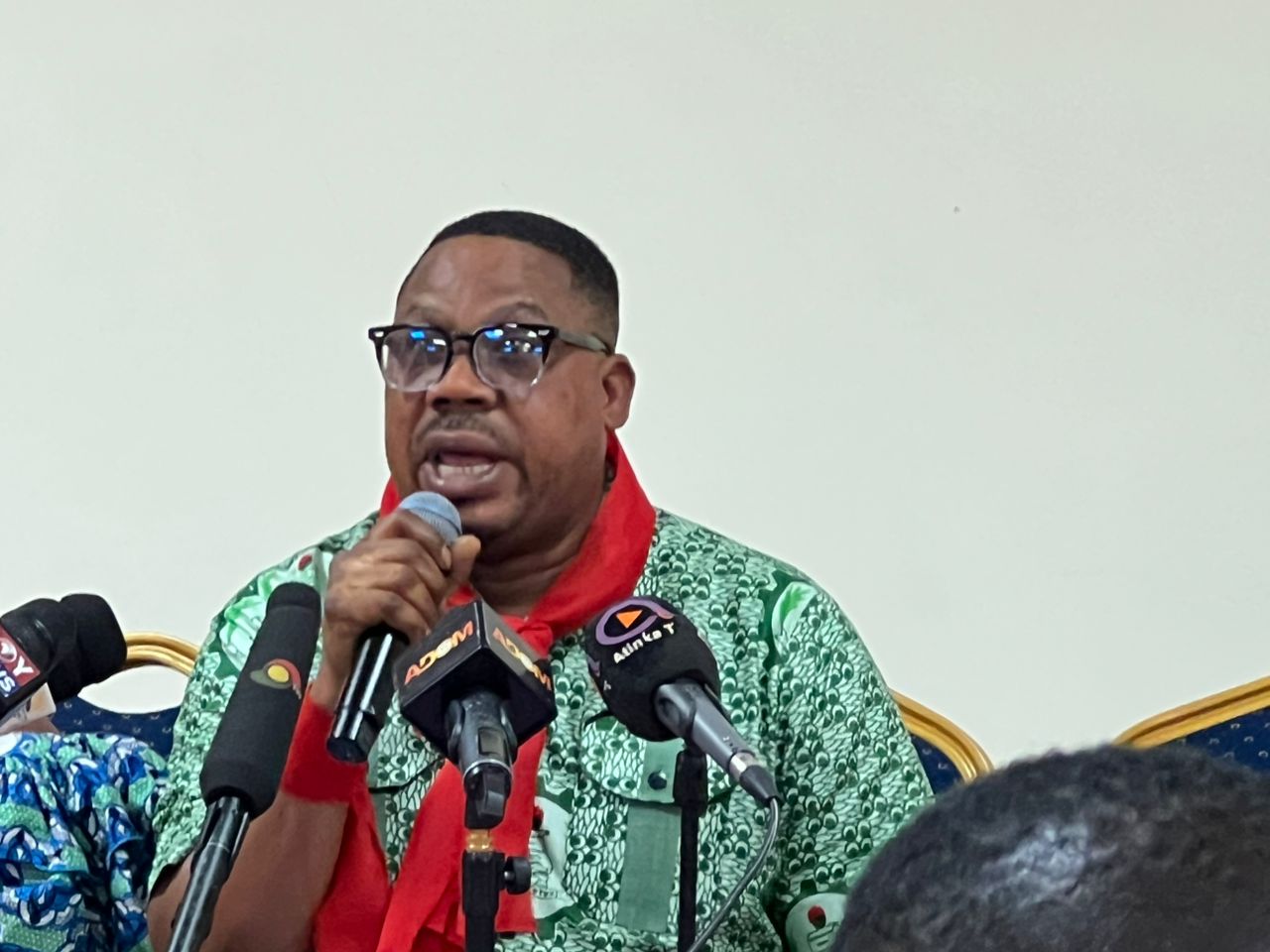
Speaking at a news conference in Accra on Friday, September 19, General Secretary of TEWU, King James Azortibah, stressed that the timing of the strike is not meant to disrupt the academic calendar but to draw attention to the prolonged neglect of workers’ concerns.
“We are not embarking on this strike because the first years are now going to school,” Azortibah explained.
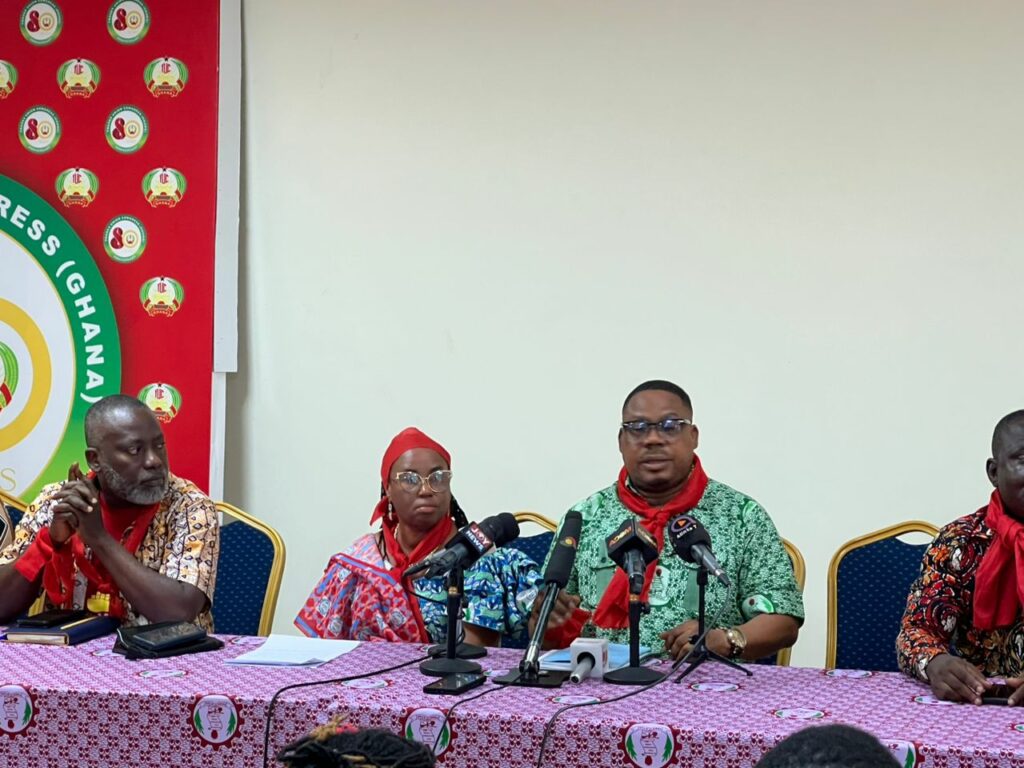
“We want the government and the Fair Wages [Commission] to hearken to our demands — because we are also parents,” he stressed.
He described the strike as a constitutional right, insisting that union members have exercised patience for far too long.
“Our conditions of service, which are our right as enshrined in the Constitution and the Labour Act 651 of 2003, remain unresolved,” he said.
“TEWU has shown commitment to dialogue with our social partners. Unfortunately, the issues affecting our members remain unresolved, and promises made to us have been left unfulfilled. We see this as discrimination and unfair labour practice, which will not be tolerated,” he added.
Azortibah announced that effective Thursday, September 19, 2025, the strike would take full effect across all relevant institutions.
“TEWU of TUC hereby declares a nationwide strike with immediate effect,” he said.
“All non-teaching staff in the Ghana Education Service, public universities, technical universities, the Ghana Library Authority, and the Museums and Monuments Board must stay out of work following this declaration.”
Also addressing the media, TEWU National Chairperson, Salamatu Braimah, described the strike as long overdue, especially for members in the public universities and the Ghana Education Service whose conditions of service have expired without review.
“With the conditions of service, at least every two years we are supposed to sit with the government to review them,” Braimah noted.
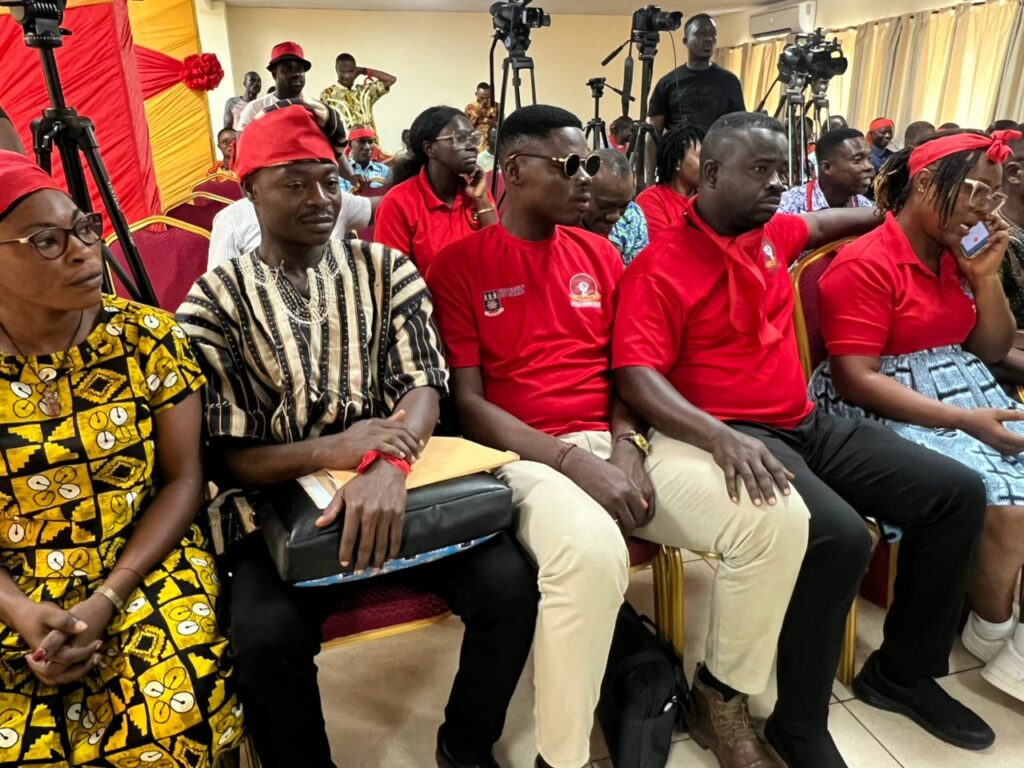
“But for about 20 years now, we in the public universities have tried several times — yet government has not allowed us to review them.”
She added that failure to act has left workers feeling undervalued.
“If government thinks our work is not important, then we will withdraw our services,” she said.
“We are withdrawing ourselves until government gets to know that our work is important — and calls us to negotiate and sign the conditions of service. Only then will we resume work.”
The strike affects thousands of non-teaching staff across the country, including administrative workers, cleaners, security personnel, and catering staff.
The action now threatens to disrupt the start of the academic year, especially in public basic and tertiary institutions.
As pressure mounts, stakeholders are calling on the government to urgently engage the union and resolve the impasse before the academic calendar is thrown into disarray.
By Daniel Opoku