
Members of the Mobile Money Agents Association of Ghana (MMAAG)are calling on government to implement targeted security interventions before they can fully commit to the 24-hour economy initiative.
This appeal was made at the National Leadership and Strategy Summit of the Mobile Money Agents Association of Ghana (MMAAG), held in Accra on September 19.
The event brought together key stakeholders from the mobile money and fintech sectors to discuss challenges facing operators, particularly security concerns and infrastructural limitations.
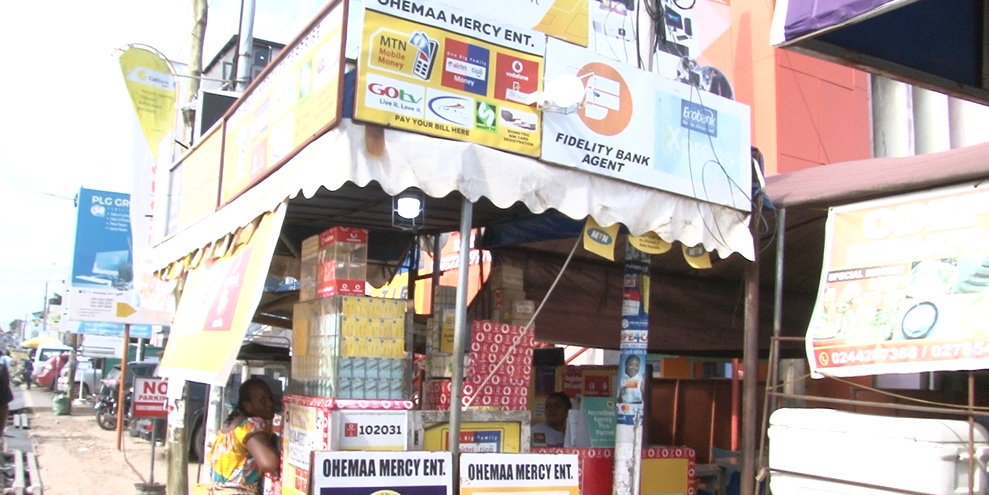
The Association says attacks on its members have reached alarming levels, with more than five deaths recorded this year alone due to robberies targeting mobile money vendors. However, the Association believes the actual scale of the problem is even higher.
General Secretary of MMAAG, Evans Otumfuor, painted a grim picture of the current state of safety for mobile money agents, citing incidents from across the country.
“I was just getting a briefing from the Obuasi District Chairman, and he explains that just he himself has suffered three robberies and within the Obuasi alone robbery attack on mobile money agents spanned over 20,” he said.
“Now nationally, from the start of the year we have all seen what happened in Ashanti Region, people lost their lives. I mean Greater Accra, Upper East, Upper West over 200 robberies as we speak,” he added.
While the government’s 24-hour economy policy aims to enhance productivity, competitiveness, and generate well-paying jobs, Otumfuor insisted that the safety of mobile money agents is a “non-negotiable prerequisite” for their involvement.
“… for mobile money agents to also be included in the 24-hour initiative, unless of course we are going to say that yes government is providing targeted security for our businesses. Other than that, for the 24-hour economy we’ll have to take lessons from how we suffer from robbery and attacks during the daytime,” he said.
The summit also highlighted infrastructure challenges that hinder service delivery and expansion. President of the Ghana FinTech Association, Martin Awaga, emphasized the need for significant investment in mobile money infrastructure, particularly in underserved areas.
He said, “Now many agents work in areas where there is poor network connectivity, which is an infrastructure problem, frequent power cuts another infrastructure problem or rising insecurity are security risks,”
As the government pushes forward with its 24-hour economy agenda, stakeholders say that without clear guarantees on safety and improved infrastructure, mobile money agents may be forced to opt out of participating in the initiative.