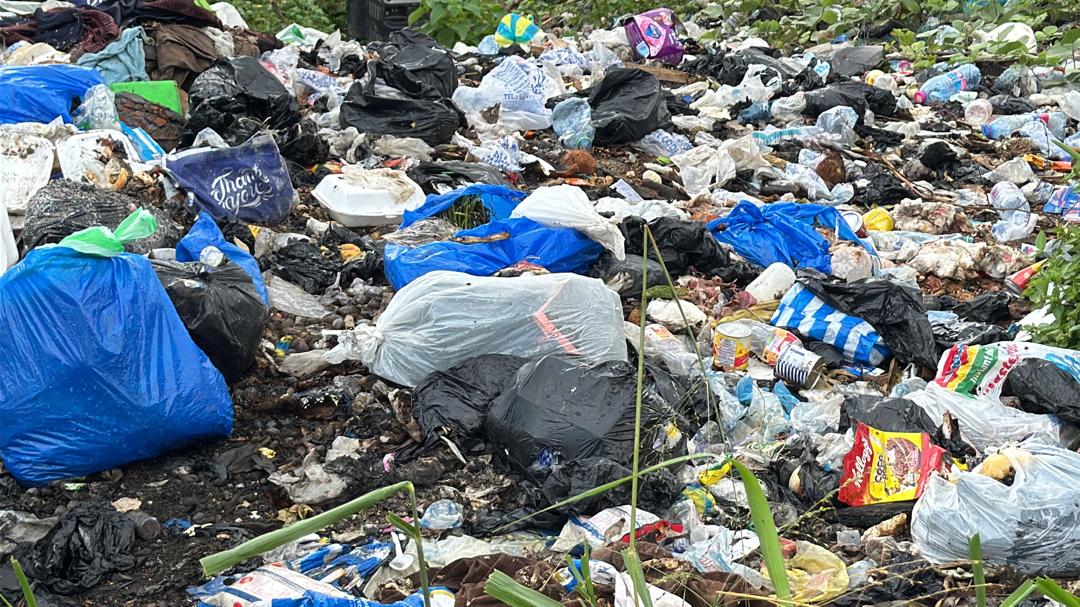

The Waste Pickers Association of Ghana is calling for a standardised pricing structure for plastic waste to ensure fair compensation and protect the livelihoods of its over 100,000 members across the country.
At the Africa Regional Meeting of Waste Pickers held in Accra, leaders urged the government to recognise waste pickers as essential service providers and include them in key policy and pricing discussions with manufacturers.
According to the Association, waste pickers play a vital role in managing Ghana’s mounting waste challenges, while also tackling unemployment particularly among women in both urban and rural communities.
“Waste pickers do not determine the price of the material they sell, but rather the manufacturers come in and bring their own price. We are not able to negotiate anything with them, so they determine which price to buy from waste pickers and sometimes it’s very disturbing,” a representative of the Association told 3Business during the meeting hosted by the Kpone Waste Pickers Association.
The Association argues that despite handling the bulk of post-production waste, its members are left out of crucial conversations about waste management and recycling policies.
“I think we can solve this problem if the policy makers include the waste pickers in decision making, because we need more inclusion. And as I said earlier, when you look at the secular economy, waste pickers are playing a vital role in the secular economy,” a waste picker leader emphasised.
Their call comes at a time when landfill sites across the country are being shut down, threatening the livelihoods of thousands of informal workers who depend on waste picking to survive.
The International Alliance of Waste Pickers joined the advocacy, calling on the government to adopt holistic and inclusive waste management policies that safeguard the roles of waste pickers in the evolving circular economy.
“We are advocating for any alternative, like the MRFs, which are material recovery facilities, in every municipality to make sure that when waste pickers get out of the landfill, they are not misplaced, but they do continue feeding their families, putting the bread on their tables,” a representative of the International Alliance stated.
With growing concerns about fair compensation, job security, and policy exclusion, Ghana’s waste pickers are demanding recognition not only as environmental stewards but as key economic players. They are urging the government to standardise plastic waste pricing and ensure their inclusion in all decisions shaping the country’s circular economy.