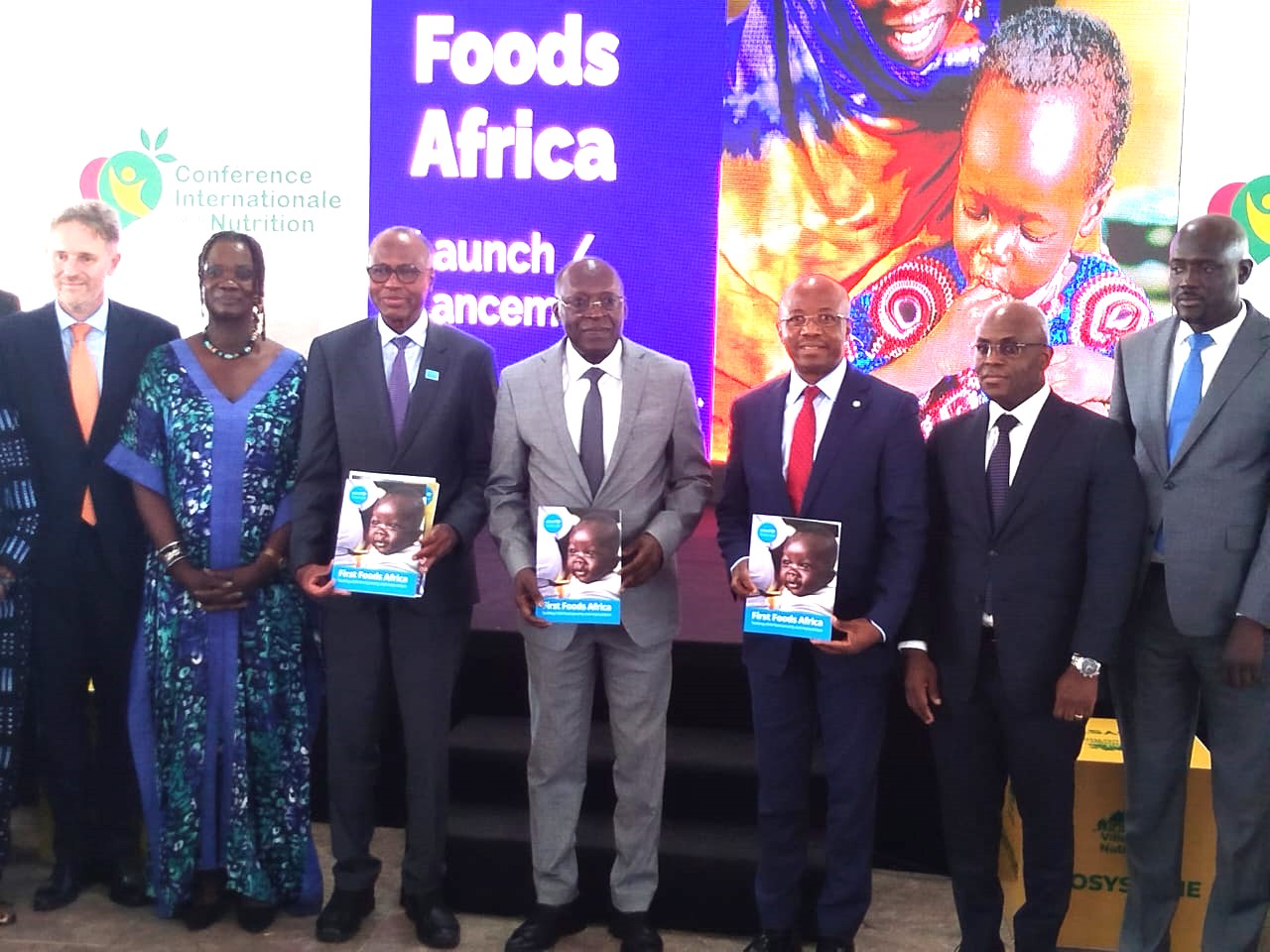

In a landmark event held in Cotonou, Benin, the United Nations Children’s Fund (UNICEF) partnered with the African Union Commission (AUC) and the Government of Benin to launch the First Foods Africa Initiative.
This continental drive aims to tackle child food poverty and malnutrition through nutrition-sensitive food systems, ensuring every child in Africa has access to nutritious food.
Approximately 181 million children under the age of five live in severe child food poverty, with about 57 million of them residing in sub-Saharan Africa. These children lack essential nutrients required for healthy growth and development, leading to persistent undernutrition, stunting, and wasting.
While many African countries have reduced stunting rates from 41.5 % in 2000 to about 32.3 %, population growth has meant that the total number of stunted children increased from 55.1 million to 62.3 million.

Some 11.4 million African children suffer from wasting. Most sub-Saharan nations are not on track to meet the 2030 SDG nutrition targets.
The initiative focuses on three strategic pillars: Incentivizing Local Production, Strengthening Policy Environments and Stimulating Consumption.
The Director of Health and Humanitarian Affairs at the AUC, Prof. Julio Rakotonirina, emphasized that nutrition is a right for every child, regardless of their geographic or economic background.

He described the initiative as a decisive step towards eradicating child malnutrition and building resilient food systems across the continent.
“With the launch of First Foods Africa, we affirm that good nutrition is a right. Hunger is preventable. The African Union Commission is working hand in hand with UNICEF, member states, regional bodies, and the private sector to amplify this initiative,”
“It is our continental call, because investing in children’s first foods means we are investing in Africa’s first and greatest wealth and its people.” he said.
The initiative will be implemented in 14 priority countries across West, Central, East, and Southern Africa, with strong partnerships with governments, African food companies, and global institutions.
UNICEF Deputy Executive Director, Omar Abdi described the initiative as a transformative moment for Africa’s children.
Other participants, including regional leaders, civil society actors, and private sector representatives, echoed support for reshaping food systems to meet children’s needs.
The First Foods Africa initiative could dramatically reduce the prevalence of child food poverty and undernutrition across the continent.