
High blood pressure, or hypertension, is silently becoming Ghana’s most persistent health crisis.
Often symptomless until a heart attack or stroke occurs, it quietly damages the heart, kidneys, and blood vessels for years.
According to the World Health Organization (2023), about 3.2 million Ghanaians aged 30–79 years are living with hypertension. This is disturbing. Because less than one in five of these individuals have their condition under control.
Without stronger prevention and management, the WHO projects that over 51,000 premature deaths could occur by 2040 due to uncontrolled blood pressure.
A Growing National Burden
A 2019 hypertension screening in Ghana’s Ashanti Region found that 27.3 percent of participants had high blood pressure, and two-thirds were unaware of their condition.
Among those on treatment, only half had their pressure adequately controlled. Among adults aged 50 years and above, national prevalence rises above 50 percent.
Lifestyle and diet changes lie at the heart of the problem. Traditional meals rich in vegetables, legumes, and fresh fish are being replaced by salt-laden, sugary, and fatty processed foods—instant noodles, fried snacks, fizzy drinks, and packaged meals. Combined with physical inactivity, rising alcohol intake, and daily stress, these dietary shifts are fueling a public-health emergency.

Food as Medicine
Hypertension is preventable, and manageable, largely through diet. Research consistently shows that what we eat directly influences blood pressure.
One scientifically proven approach is the DASH diet (Dietary Approaches to Stop Hypertension). It focuses on fruits, vegetables, whole grains, beans, lean proteins, and low-fat dairy, while limiting salt, added sugar, and unhealthy fats. People who follow the DASH diet can lower their systolic blood pressure by 8–14 mmHg within weeks.
In Ghana, this approach is easily adaptable using local foods:
- Season meals with herbs and spices such as ginger, garlic, dawadawa, or prekese instead of excess salt.
- Eat more leafy greens, beans, and fresh fish rather than deep-fried meats.
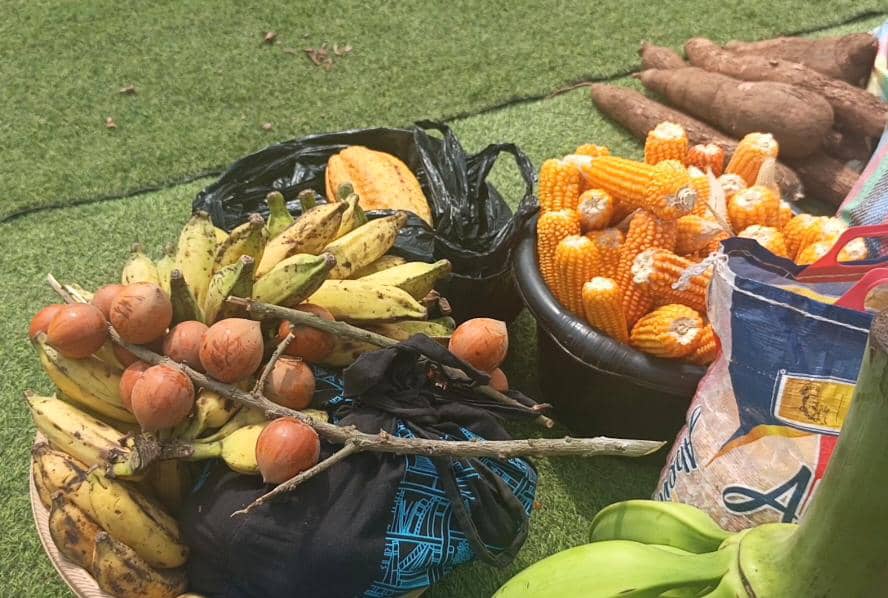
- Apply the WHO “My Plate” guide: half of your plate fruits and vegetables, one-quarter starchy foods (yam, plantain, rice, or cassava, preferably unprocessed), and one-quarter protein such as fish, eggs, beans, or lean meat.
- Include potassium-rich foods, plantain, banana, cocoyam leaves, avocado, to help balance sodium levels and relax blood vessels.
These small, affordable choices can prevent hypertension or help control it naturally.
Why Policy Matters
Ghana currently has no national target for sugar and salt reduction, and no national survey on sodium intake, despite clear evidence that the average Ghanaian consumes nearly 9 grams of salt daily. Almost double the WHO limit of 5 grams.
To reverse the trend, national nutrition and health policies must do the folllowing:
- Set enforceable sugar and salt-reduction targets for food manufacturers.
- Mandate clear labeling of sodium, sugar, and fat content on packaged foods.
- Eschew the importation of uber sugar/salt concentrated foods into the country.
- Promote healthy school meals and workplace canteens that follow DASH and WHO My Plate standards.
- Support local production and marketing of nutritious foods such as fruits, vegetables, and legumes to make healthy eating more affordable.
Initiatives like May Measurement Month, which screens thousands for high blood pressure annually, should integrate nutrition education and lifestyle counseling as part of follow-up.
Eat for Your Heart, Live for Your Future
Hypertension is not inevitable, it’s often the result of everyday choices. Eating a balanced diet, staying physically active, managing stress, moderating alcohol, and checking blood pressure regularly can save lives.
Local Ghanaian foods already provide the tools we need: kontomire, garden eggs, okra, beans, millet, pawpaw, and baobab are natural shields against high blood pressure. What’s needed now is awareness and collective action on hypertension prevention.
Because health is not just about living longer, it’s about living well, living aware, and eating wisely for a stronger heart and a healthier Ghana.
About the author: Jacqueline Afua Yeboah is a scholar and researcher specializing in research models that focus on the intersection between nutrition, metabolic health and chronic disease prevention.
She’s currently pursing graduate studies in Food and Nutritional Science at Tuskegee University, USA where she’s analysing the effect of consuming fruits and vegetables on chronic diseases among human and animal models. Contact: [email protected]