
A senior health official has issued a warning to Ghanaian women, urging them to avoid turning to unverified herbal treatments upon a breast cancer diagnosis, a practice that is contributing to the nation’s alarmingly high late-stage diagnosis and mortality rates.
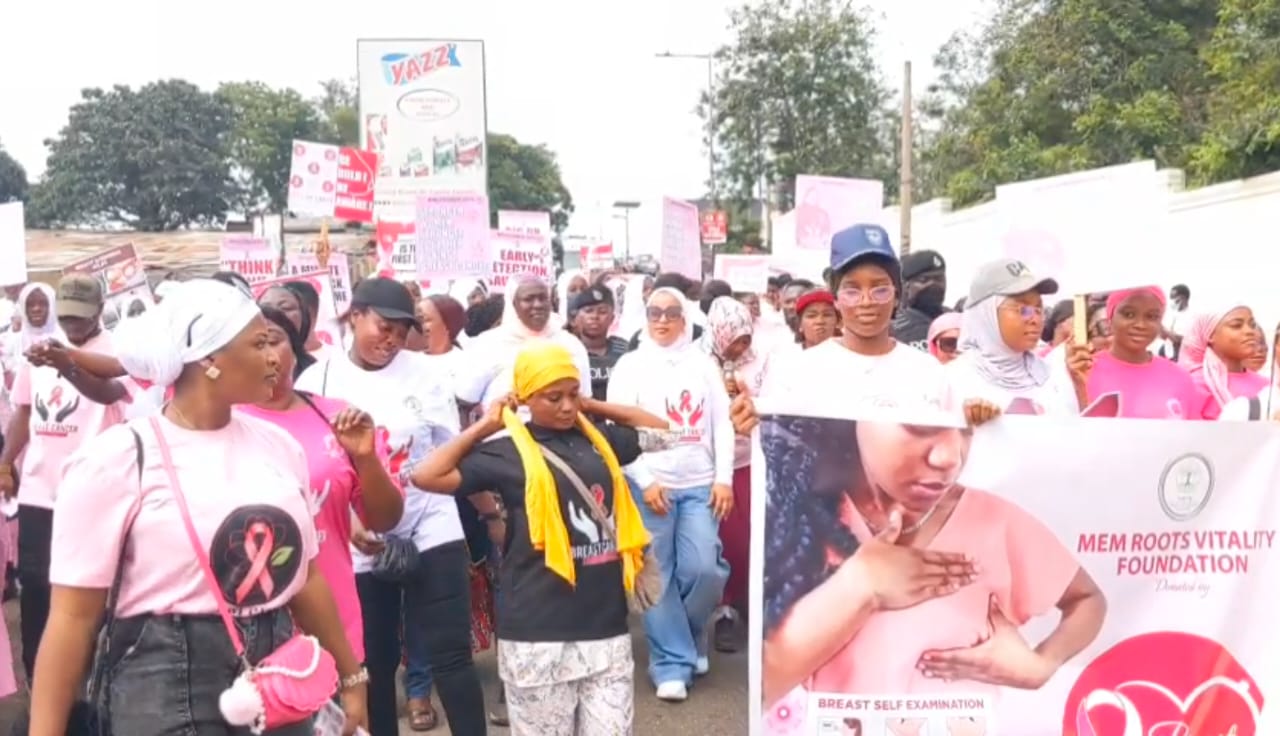
The caution was delivered by Ezzedin Memuna Muntaka, a Midwifery Officer at the Manhyia District Hospital, during a breast cancer awareness health walk in Kumasi. The event, supported by the Manhyia District Hospital in collaboration with the MEM Roots of Vitality Foundation, aimed to spotlight a critical public health crisis.
Breast cancer remains the most common cancer and a leading cause of cancer-related deaths among women in Ghana. A devastating 70-80% of cases are diagnosed at an advanced stage, severely limiting treatment options and survival chances, records from the Ghana Health Services show.
“The cost of treatment is very high… the radiation, the chemo, they are so costly that it even lets some patients avoid taking medication,” Memuna stated, highlighting a major barrier to care.

However, she identified the pivot to herbalism as a dangerous and compounding factor. While acknowledging that some legitimate research exists into certain plant-based remedies, Memuna emphasized the grave risks of self-diagnosis and unregulated treatment.
“For the local treatment, I wouldn’t say it’s entirely bad. But whoever is giving you that medicine, does that person have a scan or a mammogram to confirm the disease? If not, please just avoid it. You don’t know what will cause it to increase,” she emphasized.

This warning is particularly critical given the aggressive nature of breast cancers often seen in Ghana. The Midwife pointed out that women are more frequently diagnosed with triple-negative breast tumors, a subtype that is more challenging to treat and requires swift, conventional medical intervention.

The reliance on herbal alternatives is fueled by a combination of fear, lack of awareness, and significant socioeconomic barriers. With advanced treatment facilities like radiotherapy units concentrated in urban centers and the crippling out-of-pocket costs for chemotherapy, many patients see traditional medicine as their only accessible or affordable option.
To address this systemic failure, Memuna made a direct appeal to the government.
“I ask the government to consider the high cost of breast cancer treatment in the National Health Insurance Scheme (NHIS). Subsidizing these life-saving procedures, would remove a primary reason patients abandon hospital care,” she argued.

The event’s core message, however, was one of empowerment through early detection. Memuna reminded the public that breast cancer can affect all genders and that timely action is the most powerful weapon.
“It is very important to create awareness. I advise each and every one of us to get screened because early detection really saves lives,” she urged.
The call to action is that Ghana must combat the disease on multiple fronts by demystifying the dangers of unverified treatments, expanding access to affordable care, and reinforcing the life-saving message that a simple screening can make all the difference.