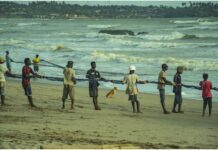

Ghana’s domestic fish production has seen a sharp decline in recent years, forcing the country to import over 79,000 metric tons of fish annually to meet local demand.
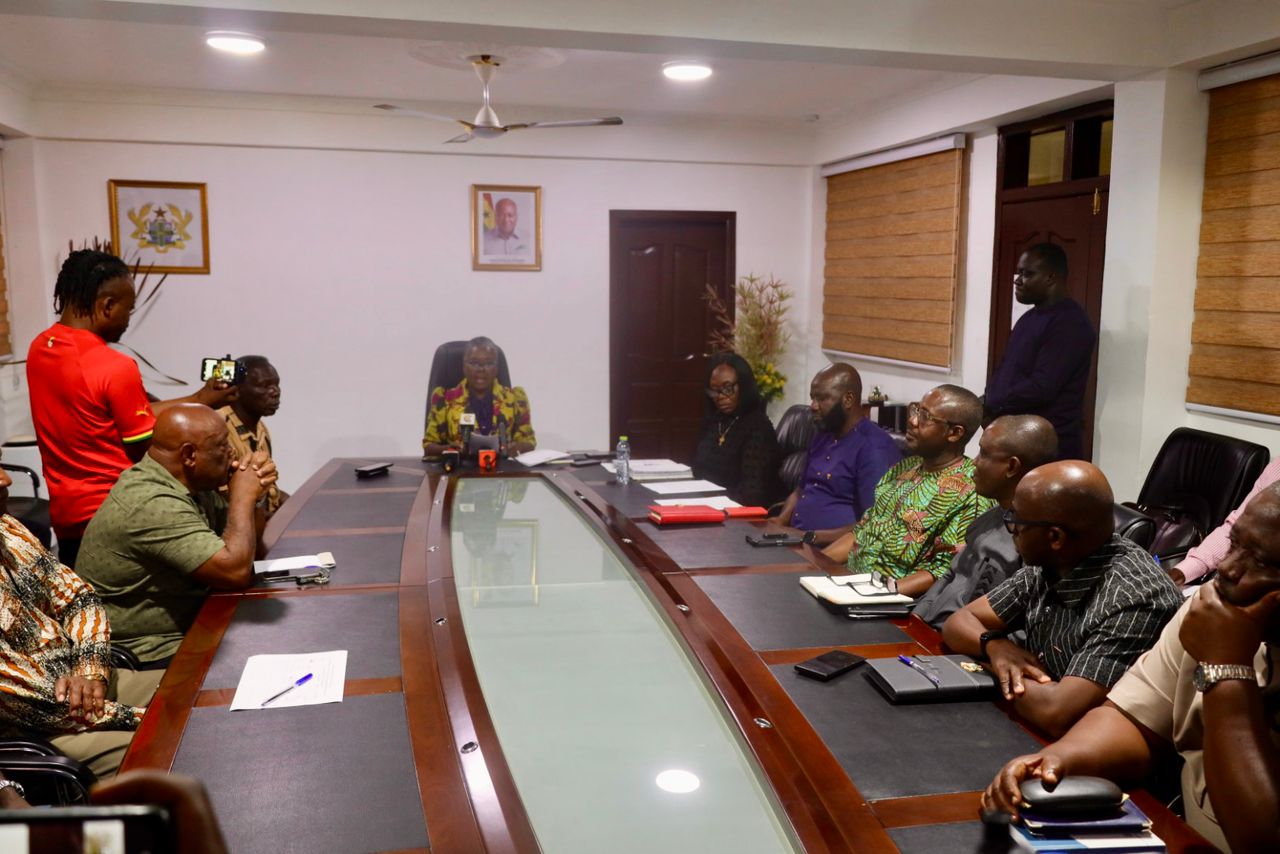
The Minister of Fisheries and Aquaculture, Emelia Arthur has warned that continued depletion of marine resources could worsen food insecurity and threaten the livelihoods of millions in coastal areas.
“Scientific assessments confirm the lack of recovery in key fish stocks, particularly small pelagic species,” she noted. “Despite existing policies like the Fisheries Act of 2002 and the National Co-Management Policy of 2020, we have not seen the desired turnaround. It is time to take bold, spatially based measures to restore our ocean health.”

Traditionally, Ghana’s fisheries management relied on non-spatial tools such as seasonal closures, gear restrictions, and fishing bans, but these have had limited success in reversing fish stock depletion. The new MPA approach represents a strategic shift toward spatial management, which focuses on designating specific ocean zones for conservation and sustainable use.
The Greater Cape Three Points MPA will cover ecologically sensitive marine and coastal areas identified as critical breeding and nursery grounds for fish and other marine species.
It also aligns with international frameworks, including the UN Sustainable Development Goal 14 (Life Below Water) and commitments under the Convention on Biological Diversity (CBD) to protect at least 30% of the world’s oceans by 2030.

“The MPA aligns with international best practices and will help restore fish stocks, enhance ecosystem resilience, and promote sustainable fisheries development,” Mrs. Arthur said.
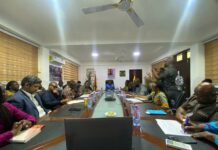
The Minister outlined an implementation roadmap for the new MPA, which will be rolled out in phases. The process, she explained, will focus on scientific monitoring, community participation, and strong inter-agency collaboration.
The Ministry of Fisheries and Aquaculture Development, in partnership with the Environmental Protection Agency (EPA), the Ghana Navy, local district assemblies, and coastal communities, will jointly oversee the management of the MPA.
“We cannot achieve lasting change without the involvement of the very people whose livelihoods depend on the sea,” Mrs. Arthur emphasized. “We are therefore prioritizing community engagement and capacity-building to ensure that local voices shape this historic initiative.”
The Ministry is also expected to launch a public awareness campaign to educate fisherfolk, traditional authorities, and coastal residents about the importance of marine conservation and compliance with MPA regulations.
Environmental groups and marine scientists have welcomed the Cabinet’s decision as a bold and timely intervention to protect Ghana’s rapidly declining fishery resources.
Experts say the MPA could serve as a model for regional ocean governance in West Africa, where overfishing, pollution, and climate change continue to threaten marine ecosystems.
The Greater Cape Three Points MPA is expected to be officially designated in early 2026, following a final round of stakeholder consultations and boundary demarcation.