
What was once considered taboo is now gaining widespread acceptance in Ghana as a form of self-expression and personal identity.
Body piercing is becoming increasingly popular among Ghanaian youth, with various parts of the body, earlobes, noses, tongues, and navels, adorned with intricate designs and studs. The trend is no longer confined to fashion-forward circles; it’s spreading across age groups and social backgrounds.
In an interview, Marian, a young woman with six ear piercings, shared her enthusiasm for the practice.

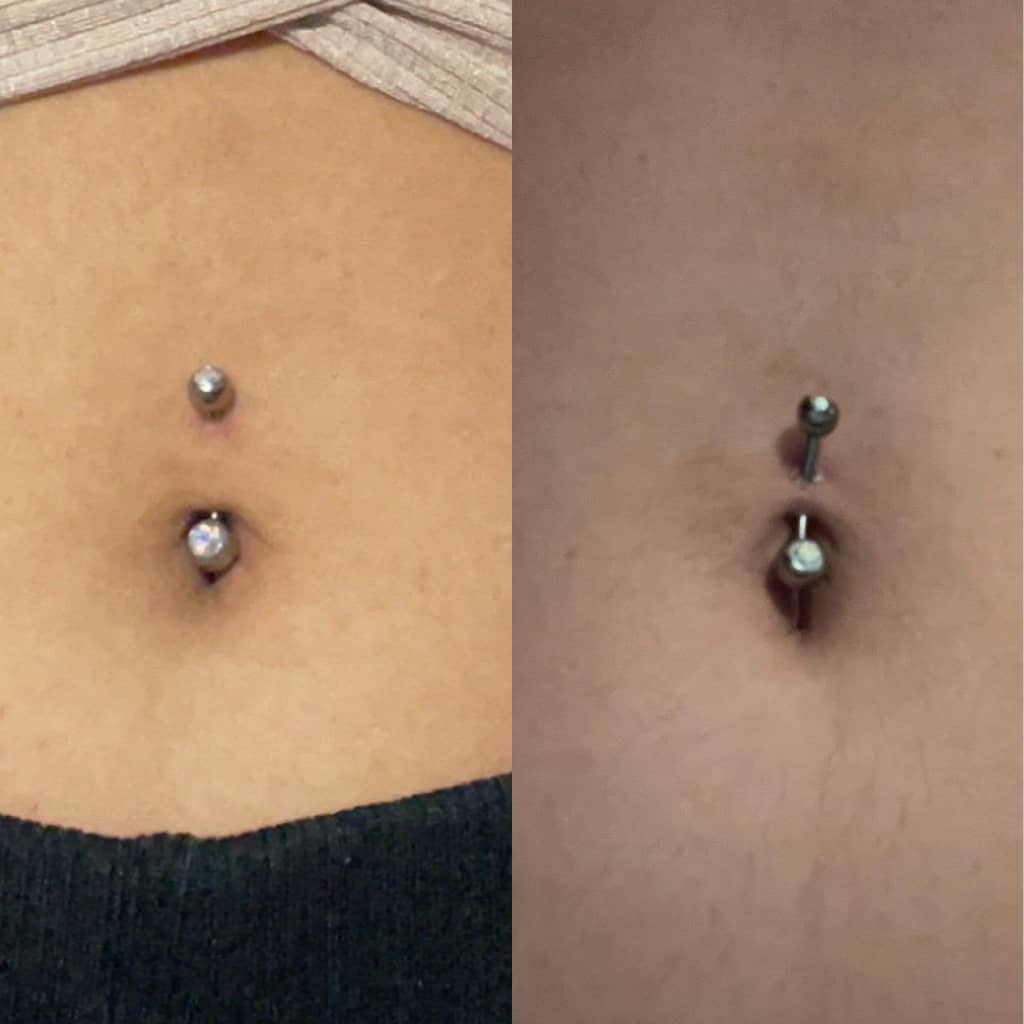
“I love fashion, and body piercing is the part I love most,” she said. “Apart from the one we girls usually get at birth, I have five more, four on my ears and one on my navel. These are the piercings I’ve always wanted, and now I have them. Whether there are risks or not, we still want to take them.”
Despite the pain she experienced during the process, Marian says she enjoys the aesthetic and isn’t bothered by criticism.

“People ask if my parents know I have all these piercings. Honestly, it doesn’t bother me. Most of the time, they’re covered by my wig caps. Even when they’re visible, I have no problem with it.”
Many attribute the shift in perception to the influence of social media, which has exposed Ghanaians to diverse cultures and lifestyles. Celebrities and influencers have also played a role in normalizing body piercings by proudly showcasing theirs online.
Owner of a piercing studio in Accra, Evelyn Twumasi, says the business is booming.
“People book appointments regularly. Piercing is a good business,” she said, adding that young people should take their time and avoid impulsive decisions when it comes to body modification.

However, not everyone is on board. Some Ghanaians still view body piercing as culturally inappropriate.
“In African tradition, it doesn’t look nice,” one respondent said. “I wouldn’t allow my daughter to do it, not even my worst enemy.”
Another added, “I love fashion, but piercings aren’t for me. Maybe others like it, but I don’t.”
Medical professionals also warn of potential health risks. Dr. Fatima Mohammed, a physician at Korle Bu Teaching Hospital, cautions that individuals with underlying conditions like diabetes may experience delayed wound healing and increased risk of infection.
“We’ve seen cases where people use sharp objects and end up with serious infections,” she said.
Dr. Mohammed also warned against piercing highly sensitive areas of the body.
“Piercing the clitoris, for example, can damage nerves and lead to neuropathic pain, severe discomfort that often doesn’t respond to conventional medication. We strongly advise against it.”
As piercing studios continue to spring up and Ghana becomes more cosmopolitan, body piercing may gain further acceptance. Still, many believe it’s important to preserve cultural values and traditions amid changing trends.