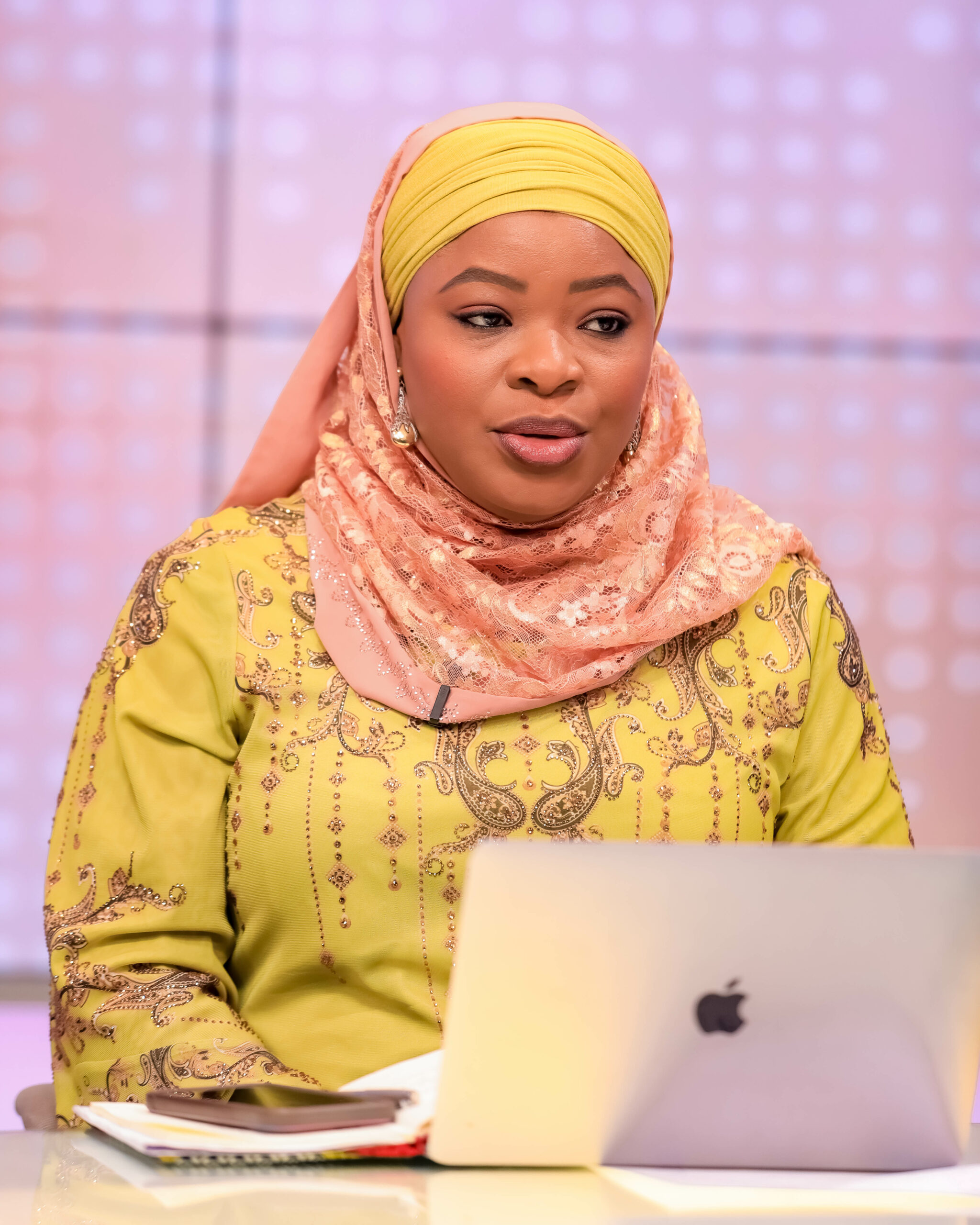

Deputy Presidential Spokesperson Shamima Muslim has called for a deeper national reflection on mental health, emotional stability, and anger management following the recent viral video of a man alleged to be a military officer assaulting pharmacy attendant and a customer at Burma Camp in Accra.
Speaking in reaction to the incident on TV3 New Day on October 30, Muslim agreed with calls for the suspect to face disciplinary action but stressed the need to also examine the psychological and emotional factors behind such behaviour.
“I agree that the culprit must be found and punished to remind us that these kinds of actions are unacceptable,” she said.
“But I also want to explore a different angle temperaments and anger management.”
She referenced a remark once made by the former Director of the Accra Psychiatric Hospital, Professor F. Akpalu, who noted that many people struggle with some form of psychological imbalance.
“The former director once said we’re all mad men and women walking the streets,” she recalled.
“The debate about mental health is a very serious matter because these are not just random actions. They are manifestations of the emotional states of individuals who are unable to manage frustration and anger at the point of trigger.”
According to Ms. Muslim, incidents of excessive force or violent outbursts among trained officers raise questions about the military’s recruitment and training processes.
“For it to be happening within the service, where sometimes we see such levels of brute force being meted out to civilians, I think it tells of some of the challenges in the training model,” she said.
“That’s why the late Defence Minister, Omane Boamah, once called for a review of training for the armed forces because you must have the right temperament.”
She emphasized that temperament testing should be a key part of military recruitment.
“People’s temperaments can be assessed,” she explained.
“We must know who can remain calm even in the face of severe provocation and who does not have the temperament to be in the armed forces.”
While acknowledging that political party members are also citizens who can serve, she cautioned against admitting individuals who lack emotional stability.
“Party people are citizens. They can become members of the armed forces. But party people without the right temperament should not go anywhere near the armed forces or hold arms because who knows what one can do when they become angry or triggered,” she said.
Ms. Muslim extended the conversation beyond the military, describing the issue as a national one affecting many Ghanaians struggling to manage daily stress and frustration.
“It’s not just about them. It’s about all of us and how we manage our emotions and anger. Perhaps it’s time to continue the conversations around mental health and to offer people therapy,” she said.
She noted that therapy remains stigmatized in Ghana, where seeking mental health support is often misunderstood.
“When we speak about therapy in our part of the world, it’s like you’re telling someone they are mad or have some psychological problem. But we all deal with stress every day,” she said.
“We must normalize talking about our stresses, how we feel, and how we’re triggered. We must normalize people actively seeking psychosocial support.”
Ms. Muslim urged the media to play an active role in changing public attitudes toward mental health by highlighting real-life stories of people who have sought help and recovered.
“The media has a major role to play in normalizing these conversations by sharing lived experiences how people have gone through depression, recovered, and learned to manage work-life stress,” she said.
She appealed to the public, encouraging people not to suffer in silence.
“Everybody has problems. Everybody is dealing with one form of battle or another. Even sleep, for some, is a battle,” she said.
“Don’t be too hard on yourself. If you’re going through challenges or frustrations, seek help. With a smartphone, you can now find platforms that offer coping mechanisms.”